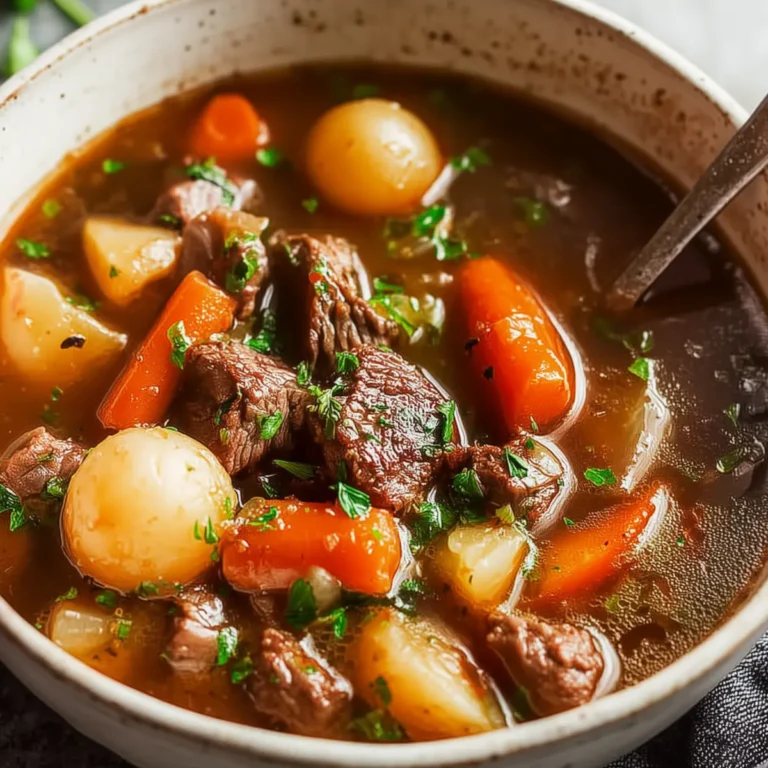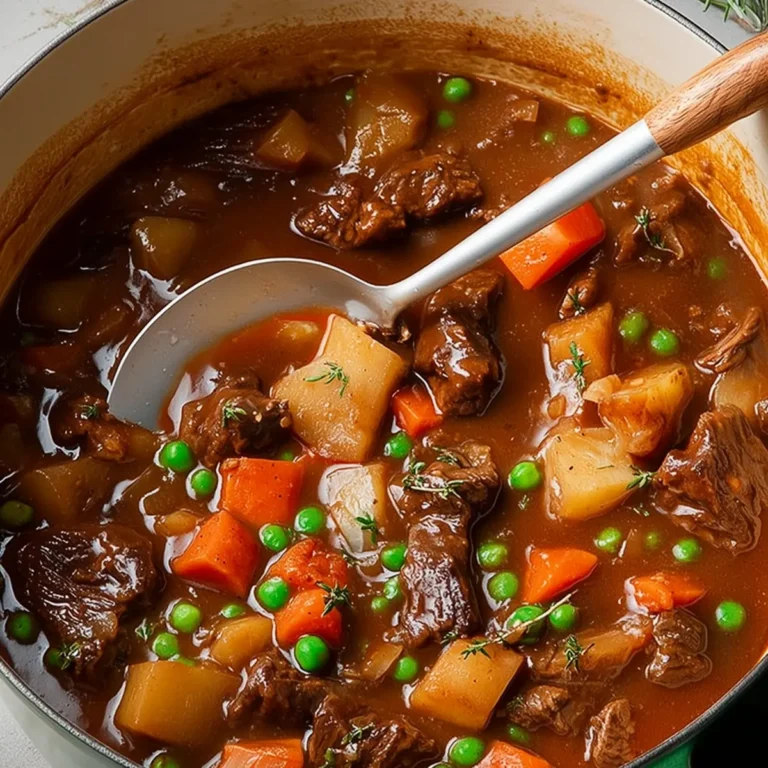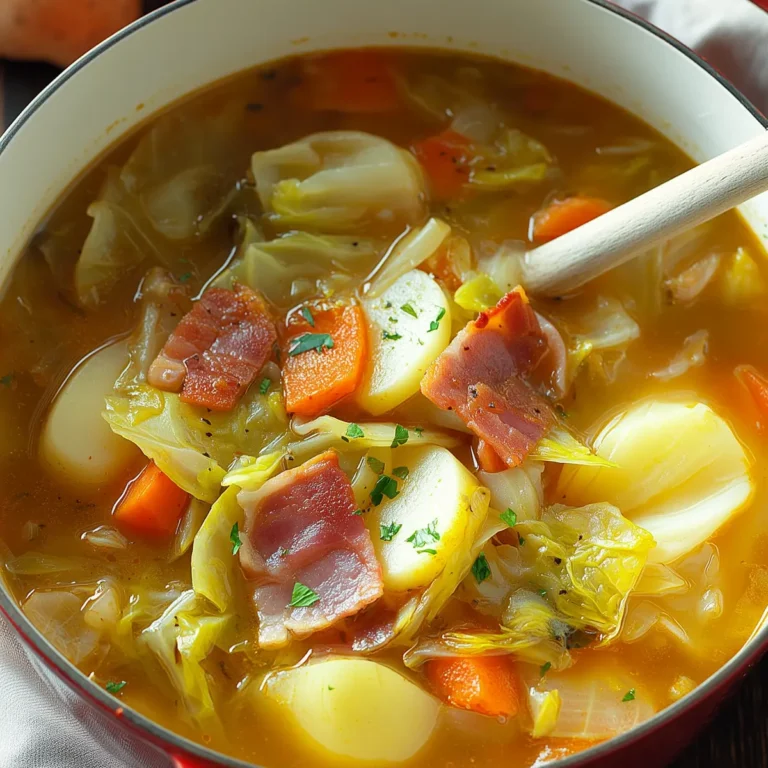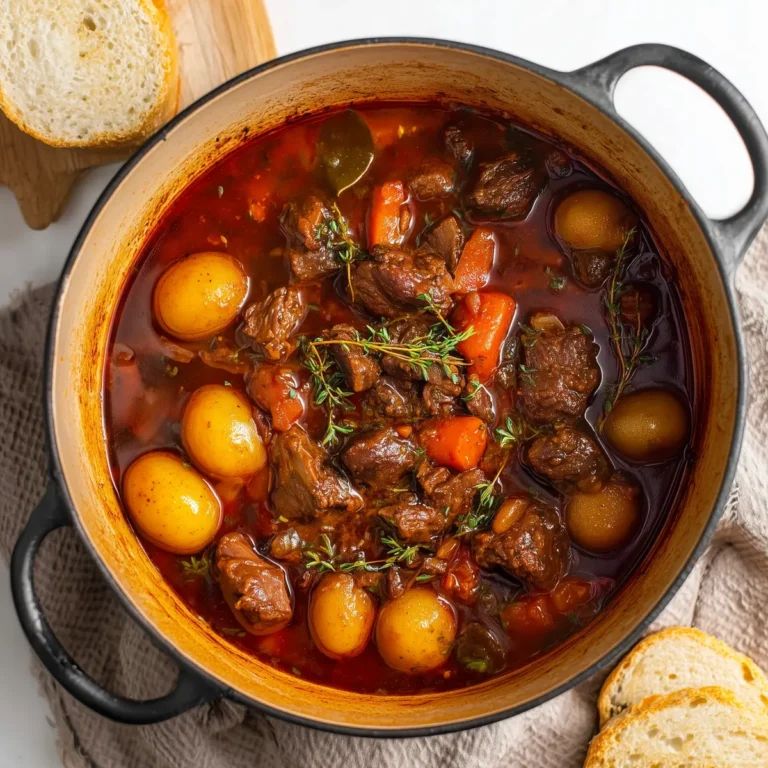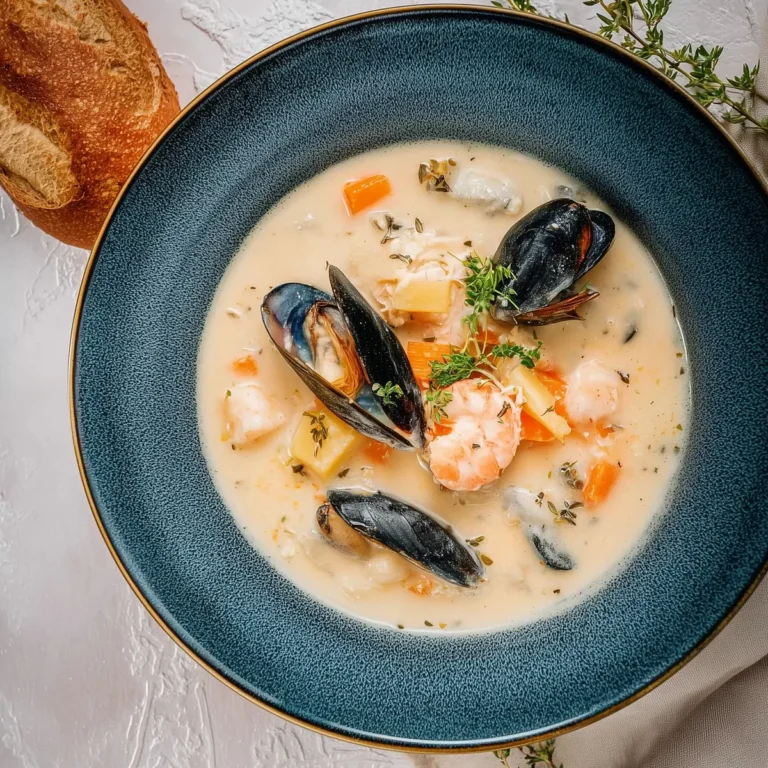
Dublin Coddle: A Heartwarming Irish Stew Recipe
Some dishes instantly feel like you’ve been wrapped in a woolen blanket, even before you take the first bite. That’s Dublin Coddle for me—a bubbling pot that wafts through the kitchen, promising something ancestral and sturdy after a long day. The aroma alone is half the experience: onions caramelizing low and slow, sausages browning with little pops and sizzles, smoky notes from the bacon curling up around everything. Coddle has that kitchen-worn magic—no-nonsense, unfussy, downright honest food.
It’s the sort of stew you throw together because you’re tired, you’ve got some hungry people around, and you want something that tastes the way home should feel. Traditionally a Dublin favorite (especially on chilly, drizzly evenings), this isn’t the kind of recipe you fuss over. You build flavor step by step, let the ingredients do the work, and by the time it hits your table, it’s a whole feast in one big pot.

When Dublin Coddle Brings People Together
If there ever was a dish designed for impromptu gatherings and heart-to-hearts around the dinner table, it’s Dublin Coddle. The beauty of this stew isn’t just in its flavor—it’s in the way it seems to pull people closer, urging everyone to slouch in, tell stories, mop up the broth with a crusty hunk of bread, and maybe go back for seconds before the pot’s wiped clean.
Coddle has this way of stretching to fit the crowd, and if you’ve got a little extra of one thing or another, all the better. It’s forgiving, generous, and always a reason for another pint to appear on the table. In my house, it lands on the stove anytime I crave something both hands-on and old-fashioned, or when I want a meal that sets the tone for a slow, steady evening.
The Ingredients That Make Coddle a Comfort Classic
Let’s talk about what actually goes into the pot—each piece bringing its own warmth and character.
- Sausages – The hero of the stew. Traditional pork sausages work best, but if you’ve got a favorite herby or coarse variety, use what you love. They anchor each bite.
- bacon – Adds smoky depth and a salty edge. If you want, swap in pancetta or even smoked ham lardons in a pinch.
- Potatoes – Go for starchy spuds that soak up the broth, turning creamy and soft without falling apart. They lend bulk and mellow the richness.
- Onions – Sliced so they almost dissolve, bringing sweetness and an earthy aroma right into the core of the dish.
- Broth (chicken or beef) – The background canvas. Use homemade if you’ve got it, or go with a low-sodium store-bought one for convenience. Each choice shifts the final character just a bit.
- Salt and pepper – No need to overdo it; these finish the stew and tie the flavors together.
- Fresh parsley – For a pop of color and a clean, bright accent right before serving.
See the recipe card below for the full list of ingredients and measurements.
Building Flavor Layer by Layer
Getting a pot of Dublin Coddle going is as much about patience as it is about technique. It’s really about letting each flavor have its moment, and then slipping into the gentlest simmer imaginable.
- Start by crisping the bacon in a heavy-bottomed pot or Dutch oven. You want the fat to render out and the edges to go deep gold, sending up that unmistakable aroma. Set the bacon aside, but leave all those drippings behind—you’ll use them to build everything else.
- Next, brown your sausages right in that same bacon fat. The goal isn’t to cook them all the way through, just to get a snappy golden crust on the outside. That crust translates into true flavor as you stew down the line.
- Add the onions and let them sweat and soften. You’re not looking for deep caramelization, just that gentle, translucent stage where everything smells sweet and almost buttery.
- Now comes the layering: scatter in your sliced potatoes over the sausages and onions, tucking them in so they’re nestled together, not floating. It’s a little like setting up a slow-cooked cobblestone path.
- Pour over enough broth to just cover everything, making sure those potatoes have room to soak but not swim. Season with salt and a generous grind of black pepper.
- Let the whole pot come to a lively simmer, then drop the heat as low as you can manage. Clamp on a lid, walk away, and give it about an hour. The magic happens in this wait: the potatoes surrender their starch, the sausages soak up every bit of the broth, and the onions gently dissolve.
- Finish with a fresh lift of chopped parsley before carrying straight to the table—serve it while the steam is swirling and the broth is pooling around the edges of your bowl.
The Way Coddle Tastes and Feels
The joy of coddle is all about texture and deep, round flavor. Each bite takes you through layers: the sausage has an almost crisp snap that gives way to a soft, meaty middle, while the potatoes—now infused with broth—hold together just enough to keep their shape, but are tender as butter under your spoon. Onions weave through every bite, barely holding their shape, lending sweetness and earthiness in equal measure.
That broth is the real treat—it soaks into the potatoes, turning silkier the longer it sits, and by the bottom of the bowl, you might find yourself tilting it up just to catch the last savory drop. There’s a smokiness from the bacon that lingers but never overwhelms, and just enough black pepper to let you know you’re eating something honest and filling.
I’ll be honest: coddle isn’t flashy—it’s cozy, old-world, and humble. The kind of dish you test for doneness by breaking a potato with a spoon and snagging a chunk of sausage, blowing on it, and then sneakily trying it straight from the pot.
Details That Bring Out the Best in Coddle
If coddle teaches anything, it’s that the little touches make all the difference. For richer depth, try using half beef and half chicken broth, or even slip in a knob of butter with the onions. If you want extra smokiness, opt for a smoked sausage, or for a hint of sweetness, add a diced carrot with the onion.
Don’t rush the simmer—let the potatoes go until they’re yielding but not collapsing. If you end up with leftovers (not likely, but occasionally it happens), let the stew cool completely before transferring to the fridge. It actually improves overnight, though the potatoes do soak up a little more of the broth as it sits.
Coddle is naturally modest, but it takes well to upgrades: add a handful of sliced leeks or parsnips, or sub in a handful of chopped kale for some green freshness. For gluten-free friends, double-check your sausages and broth; most versions work, but it pays to peek at the labels.
Serving Coddle for the Coziest Meal
For me, serving coddle is all about context. It’s best with nothing more than a slab of hearty bread—sourdough, soda bread, whatever feels right for mopping up that salty broth. If you’ve got guests, ladle it out into deep bowls, let everyone add their own parsley, and keep extra pepper on hand.
If you’re pairing drinks, it’s tailor-made for an Irish stout or a dry cider, but even a glass of red wine fits in with the easygoing spirit. Leftover coddle the next day makes one of the world’s best quick lunches, and it holds its warmth—quite literally—through the grayest weather.
On a busy weeknight or a rain-soaked Saturday, coddle really is hard to beat.
FAQs about Dublin Coddle
Can I freeze Dublin Coddle?
You can freeze Dublin Coddle, though the potatoes may become a bit softer when reheated. Let the stew cool completely before portioning into airtight containers. For best results, reheat gently on the stove after thawing overnight in the refrigerator.
What sausages work best for Dublin Coddle?
Traditional Irish pork sausages are classic, but any mild, fresh pork sausage will do the trick. Avoid highly spiced or pre-cooked varieties. If you want to switch things up, herbed chicken sausages can be a lighter alternative.
How long does leftover coddle keep in the fridge?
Leftover Dublin Coddle will keep for two to three days in the fridge, tightly covered. Flavors deepen over time, but the potatoes will soak up more liquid, so consider adding a splash of broth when reheating.
What should I serve alongside Dublin Coddle?
Thick slices of crusty bread are perfect for dunking, and a crisp green salad offers a nice contrast to the hearty stew. For drinks, opt for a lager, stout, or a non-alcoholic cider to keep things traditional.
The next time the air turns damp or you’re aching for a meal that hugs you right back, let Dublin Coddle be your answer. There’s nothing quite like that bubbling pot wafting through your kitchen, promising warmth in every spoonful. Tuck in, share it with whoever’s at your table, and savor just how delicious simple comfort can be.
More Delicious Recipes
- Chicken Soup: A comforting dish that offers warmth and familiarity, perfect for cozy evenings.
- Irish Stew: This hearty stew, like Dublin Coddle, celebrates the rich flavors of traditional Irish cuisine.
- Mashed Potatoes: A classic side that pairs beautifully with stews, adding that creamy texture we all love.

Dublin Coddle
Ingredients
Equipment
Method
- In a large pot, cook the bacon until crispy, then remove and set aside.
- In the same pot, brown the sausages on all sides.
- Add the sliced onions and cook until softened.
- Layer the sliced potatoes over the sausages and onions.
- Pour the broth over the ingredients and season with salt and pepper.
- Bring to a boil, then reduce heat and simmer for about 1 hour, or until the potatoes are tender.
- Serve hot, garnished with fresh parsley.