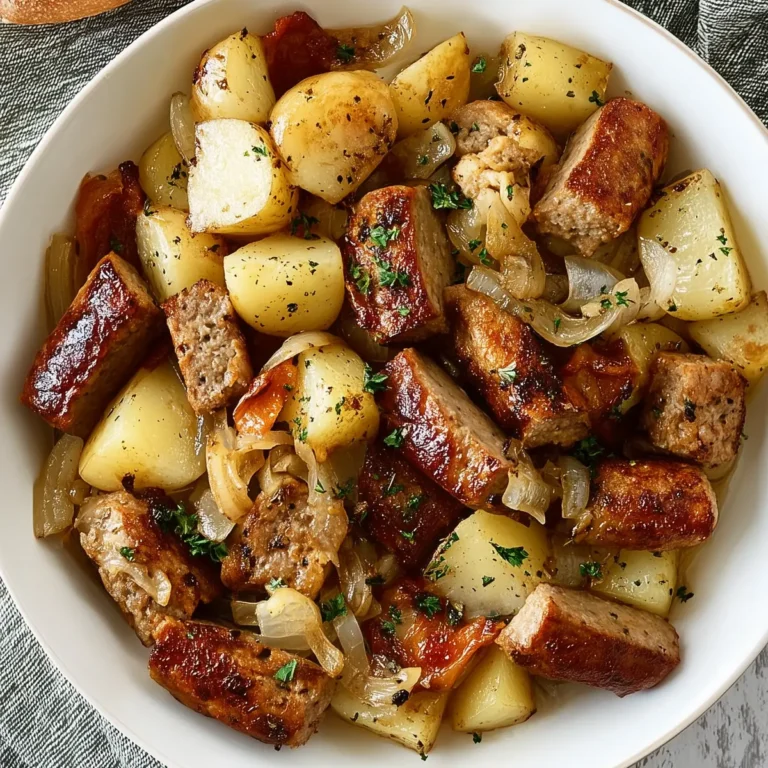
Irish Stew: Hearty Recipe for Comforting Meals
If you’ve ever stood in your kitchen on a drizzly evening, wondering what could possibly warm you from the inside out, Irish Stew has got your back. The kind of rustic, hearty meal that fills the whole house with savory aromas and gets you craving that first spoonful long before it’s ready. It’s loaded with melt-in-your-mouth lamb, tender vegetables, and just enough cozy nostalgia to make any night feel like a holiday.
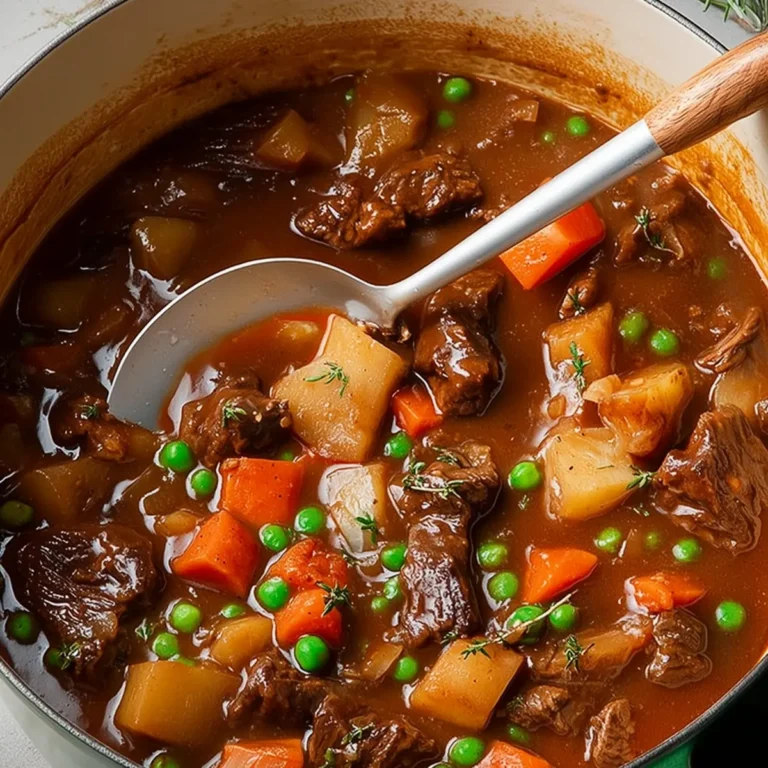
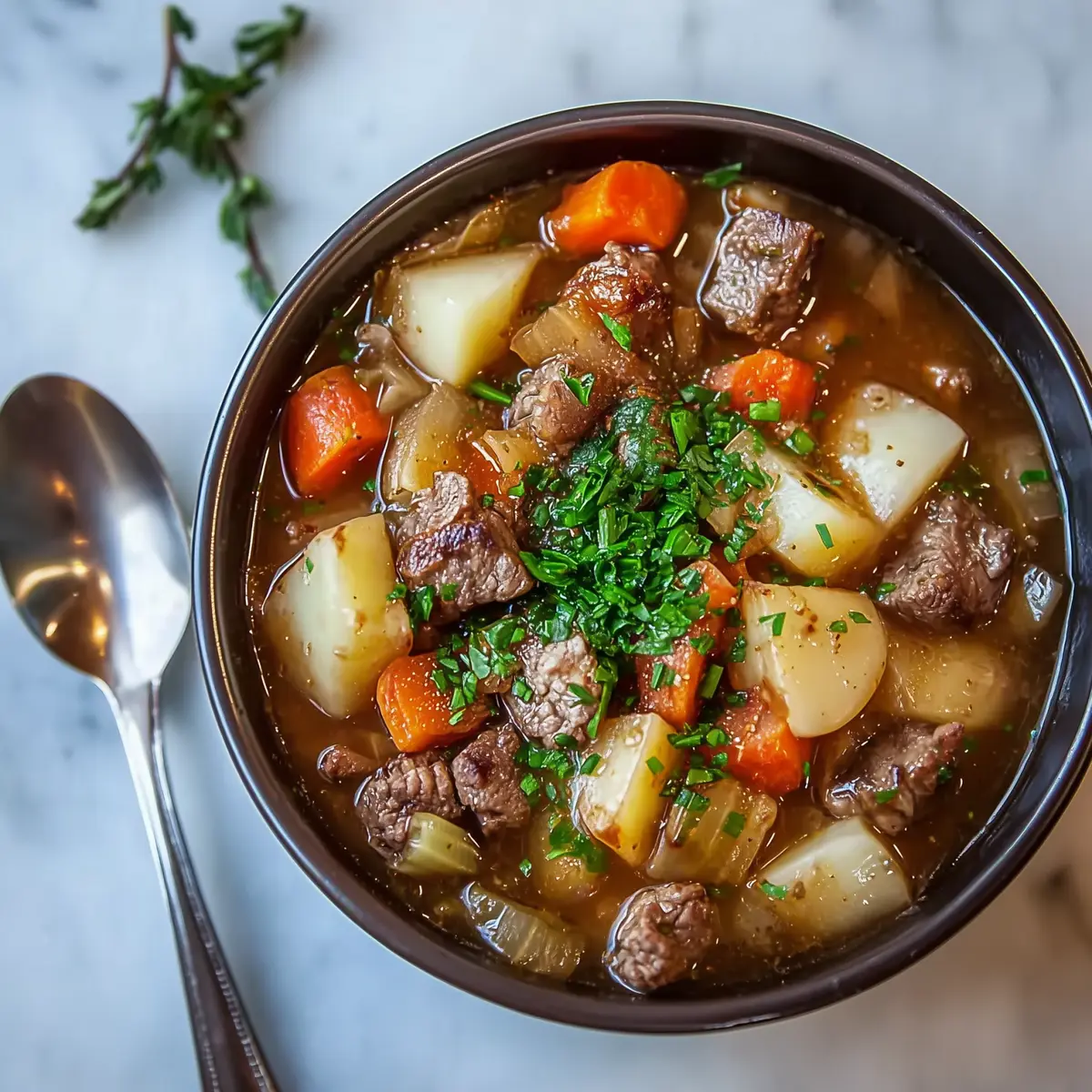
For me, Irish Stew is pure comfort food—chunky, rich, and deeply satisfying without ever being fussy. You’ll end up with a pot brimming with earthy [potatoes](https://en.wikipedia.org/wiki/Potato), carrots, leeks, and fall-apart meat, all married together in a silky, savory broth. Whether you’re feeding the family, having friends drop by, or just want something classic to curl up with, this is one of those recipes you’ll reach for again and again.
Why This Irish Stew Always Brings Comfort
It doesn’t matter if the weather’s chilly, you’re feeling under the weather, or you just want a meal that keeps you full and happy—this Irish Stew always seems to do the trick. It’s the ultimate one-pot dinner, packed with slow-simmered lamb, root veggies, and an insanely fragrant broth that practically demands an extra ladle.
Irish Stew is special because it strikes that magical balance between humble and utterly satisfying. The flavors are deep and honest—no flashy ingredients, just a handful of staples working together to create something much greater than the sum of its parts. If you grew up with family stews bubbling on the stove, this one might just taste like home. And if you didn’t? Well, it’s about to.
This version keeps things traditional, highlighting the tender chunks of meat, soft vegetables, and a mildly thickened stock that coats everything in savory goodness. It’s unfussy, forgiving, perfect for making ahead, and somehow always feels even better the next day.
What Goes Into a Classic Irish Stew
If you’re all about straightforward, cozy ingredients, Irish Stew delivers. Here’s the lowdown on what brings everything together (and why you’ll love each piece of the puzzle):
- potatoes – Waxy spuds hold their shape while soaking up all that gorgeous broth, bringing a creamy, earthy bite to every spoonful.
- Lamb or mutton – The star of the show. Opt for boneless cuts for convenience; lamb gives a milder flavor, while mutton is bold and traditional.
- Carrots – Sweet, vibrant, and soft. They bring a classic root veggie taste and a hint of color to the mix.
- Onion – Essential for depth and savory backbone, letting everything else truly shine.
- Leeks – Add a mild, sweet, and slightly grassy note that keeps the whole stew light and aromatic.
- Vegetable oil – Just enough to brown the meat and build up those flavorful bits on the bottom of your pan.
- All-purpose flour – Helps slightly thicken the sauce, making it silky and just clingy enough.
- Meat stock – The base of your broth, giving every ladle a deep, meaty richness.
- Cabbage (optional) – A handful of thinly sliced cabbage leaves get tossed in for the last bit of cooking, adding sweetness and a soft, homey finish.
- Black pepper – A crack of fresh pepper right at the end brings subtle bite and aroma.
See the recipe card below for the full list of ingredients and measurements.
Step-by-Step: How to Make Irish Stew at Home
Get ready for your kitchen to smell like a cozy countryside pub. Here’s how you pull off this homey Irish Stew from start to finish:
- Heat up your oven and set the rack squarely in the center. You want the temperature to be even for that long, slow braise.
- Slick a skillet with a dose of vegetable oil—enough to get things sizzling but not swimming. As it’s warming over medium-high heat, season your lamb chunks and swirl them around until each side is golden brown and fragrant. This is where the flavor magic begins.
- Lift out the browned lamb with tongs and tuck it into the bottom of a heavy Dutch oven. The aroma at this point? Absolutely savory and mouthwatering.
- Layer half your potatoes, carrots, onions, and leeks right over the meat. Think rustic—big, hearty pieces that can stand up to a long cook.
- Repeat the browning step with any leftover lamb. You want every piece to catch that deep, caramelized color—just a few minutes per batch will do it. Nestle this batch into the pot, then scatter over the rest of your veggies.
- Turn to your skillet (the one with all those delicious sticky bits). Dust in the flour, stirring gently so it soaks up every drop of fat and any leftover juices. Let it cook low and slow until you smell a nutty, toasty note—just a few minutes, enough to lose that raw flour edge.
- Slowly pour in your meat stock, whisking steadily so everything comes together into a smooth, lump-free sauce. It should start to thicken and look glossy—when it coats the back of your spoon, you’re golden.
- Carefully pour this rich, fragrant sauce over your lamb and vegetables in the Dutch oven. Make sure to scrape every last bit from the pan—there’s flavor in those corners! If you have a little leftover stock, add it in now.
- Pop the lid on tight and slide everything into your preheated oven. Forget about it for a while; this is slow food at its best.
- Once the house starts smelling incredible, check the stew. Toss in your cabbage leaves, if you’re using them—stir them under the surface so they soften and sweeten in all that meaty goodness.
- Continue baking until everything is fork-tender, the broth has thickened slightly, and the flavors have found each other. If the liquid dips too low, a splash of boiling water brings things back from the brink.
- Pull from the oven, give it a generous shake of salt and freshly ground black pepper, and let everyone ladle their own hearty serving straight from the pot.
Kitchen Tips for Cozy, Flavorful Irish Stew
A few tried-and-true tricks can take your Irish Stew from good to can’t-stop-thinking-about-it. Brown the meat really well—don’t rush this step, since those golden bits add rich, meaty backbone to your whole pot. When you’re layering vegetables, keep them rustic and chunky so they don’t dissolve into the broth.
If your stew gets too thick as it cooks, stir in a splash of boiling water until it’s just right. If it turns out a little thin, just let it simmer with the lid off for a bit before serving—this will reduce the liquid and concentrate the flavors without overcooking everything.
Cabbage is totally optional but brings extra texture and sweetness. If you skip it, the stew will still be wonderfully traditional. And don’t forget: this dish is even tastier the next day! The flavors get cozier, and reheating is as simple as a gentle simmer on the stovetop or a few minutes in the microwave.
Leftovers store beautifully, tucked into the fridge in a covered container. Give the stew time to come to room temperature before stashing it, so condensation doesn’t water down those deep flavors.
Serving Ideas and Creative Irish Stew Variations
Irish Stew shines brightest beside thick slabs of crusty sourdough bread or classic Irish soda bread—the kind you use to mop up every last drop. A handful of chopped parsley tossed over the top freshens everything just before serving, and a pat of good salted butter melting on your bread is always a smart move.
If you’re feeling indulgent, try dishing up the stew alongside a crisp green salad dressed simply with vinegar and oil; the contrast between sharp and hearty is magic. For a cozy family night, some people add a sprinkle of grated mature cheddar or serve the stew over creamy mashed potatoes for double comfort points.
You can easily make Irish Stew your own. Swap lamb for beef or chicken, or use a mix of root vegetables like parsnips, turnips, or even sweet potatoes to suit the season. Want a pop of herby freshness? A bay leaf or a couple of thyme sprigs slipped in just before baking can be lovely (just fish them out before serving).
This stew also freezes well in single portions—perfect for nights when you need a homemade hug without the work. Just defrost in the fridge and warm gently on the stove, adding a splash of water or stock as needed.
FAQs about Irish Stew
Can I use beef instead of lamb in Irish Stew?
Absolutely! While lamb is traditional, beef makes for a delicious and slightly milder Irish Stew. Choose a stewing cut, sear it well, and follow the rest of the steps as written. The cooking time stays about the same, and you’ll get a hearty, flavorful results.
How should I store and reheat leftover Irish Stew?
Let the stew cool to room temperature, then transfer to a covered container and refrigerate. To reheat, simmer gently on the stove until heated through, or microwave individual portions, stirring halfway for even warmth. If it thickens up overnight, add a little water or stock as you warm it.
Is it possible to freeze Irish Stew for later meals?
Yes, Irish Stew freezes beautifully. Divide cooled portions into freezer-safe containers, leaving some room for expansion. Thaw overnight in the fridge before reheating. The potatoes may soften a little after freezing, but the flavors only get better.
Can I make this recipe vegetarian?
Definitely. Skip the meat and double up on root veggies like carrots, parsnips, and even mushrooms. Use a good-quality vegetable stock and, if you like, toss in some lentils or beans for extra heartiness. You’ll still end up with a warming, satisfying stew.
When you serve up a bowl of Irish Stew, you’re not just dishing out a meal—you’re sharing comfort, tradition, and a little bit of that old-world magic that lingers long after the last bite. Ladle it steaming into a deep bowl, breathe in the savory aroma, and let this simple classic warm you right to your toes.
More Delicious Recipes
- Vegetable Soup: A warm and hearty option that complements the rustic flavors of Irish Stew, packed with comforting veggies.
- Beef Stew: A delicious alternative featuring tender beef that brings a similar heartiness and satisfaction as Irish Stew.
- Chicken Casserole: This comforting dish showcases tender chicken and vegetables, perfect for cozy nights just like Irish Stew.

Irish Stew Recipe
Ingredients
Equipment
Method
- Preheat your oven to 350˚F, positioning the rack in the center.
- Heat 1 tablespoon of vegetable oil in a large skillet over medium-high heat.
- Once hot, add half of the lamb pieces and brown them all over.
- Remove the browned lamb with tongs and place it in a large Dutch oven.
- Layer with half of the potato quarters, chopped carrots, onions, and leeks.
- Add another tablespoon of vegetable oil to the skillet and brown the remaining lamb in the same manner, then transfer it to the Dutch oven.
- Cover the lamb with the remaining potatoes, carrots, onions, and leeks.
- Stir 2 tablespoons of flour into the hot skillet to absorb any fat and juices, cooking over low heat for 3 minutes.
- Gradually add 3 cups of meat stock, stirring until the sauce thickens and is lump-free.
- Pour this sauce over the lamb and vegetables in the Dutch oven, adding any remaining stock.
- Cover tightly with a lid and transfer the pot to the oven.
- Let it cook undisturbed for 1 hour.
- Afterward, add the thinly sliced cabbage leaves, replace the lid, and cook for another hour.
- Occasionally check the stew to ensure the liquid doesn’t reduce too much; add boiling water if necessary.
- Season with salt and pepper to taste, and serve hot.