Beef Stew: A Comforting and Flavorful Recipe
A chilly afternoon, a simmering pot, and the kind of aroma that makes everyone wander into the kitchen wondering what’s for dinner—that’s exactly the magic of beef stew. There’s just something so grounding about a big bowl of tender beef and hearty vegetables swimming in a deeply savory, wine-laced broth. This recipe isn’t just a fallback comfort food; it’s one of those dishes that somehow turns an ordinary Sunday into a celebration of all things cozy. What I love most about this beef stew is the way the balsamic vinegar sneaks in at the end, adding a subtle brightness that brings all those deep, beefy flavors to life. The result? Rich, complex, and unexpectedly refined stew that will have you nibbling just one more bite “to check the seasoning.”
What Makes This Beef Stew So Irresistible
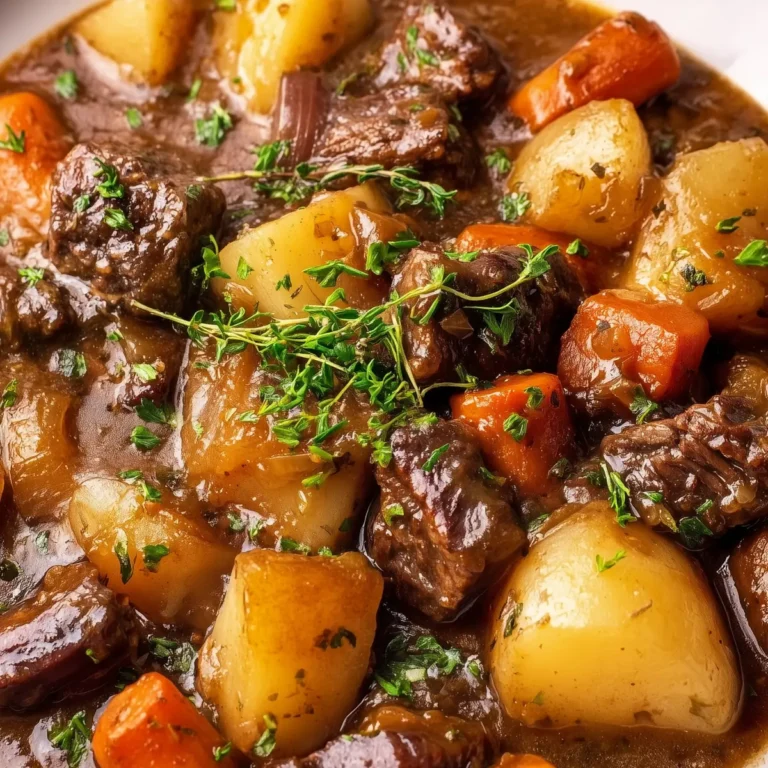
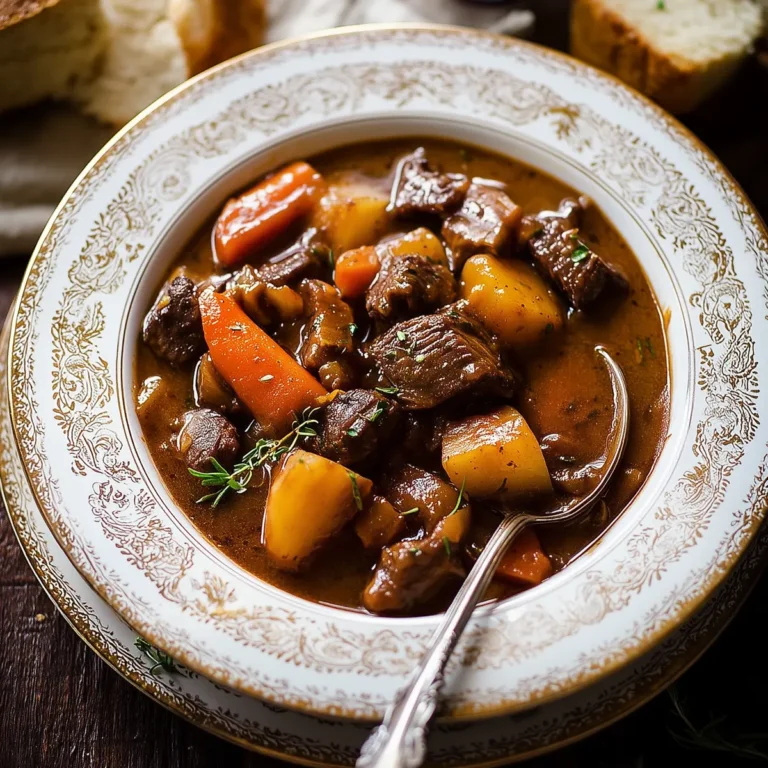
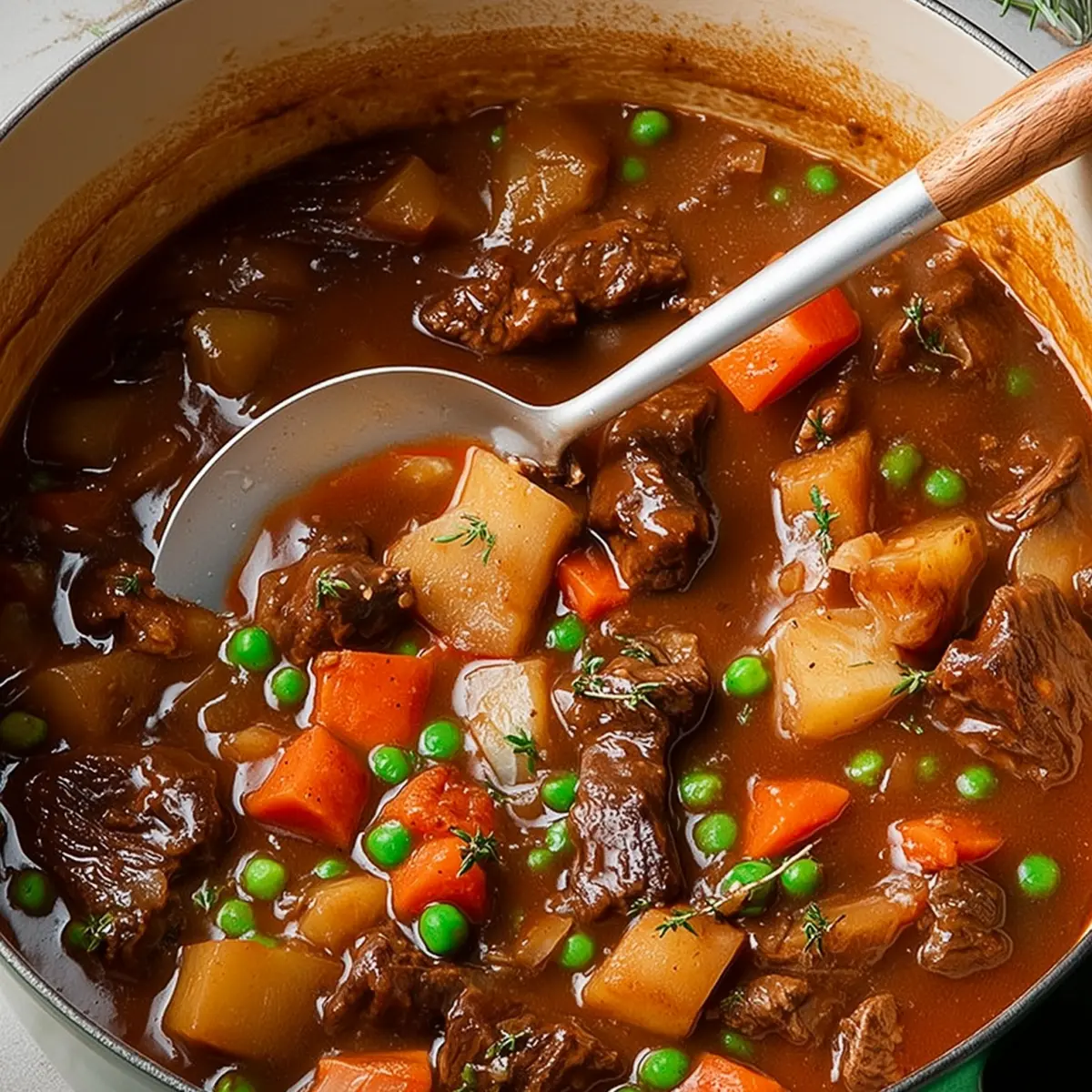
There’s a lot of beef stew recipes out there, but this one is in a league of its own. The secret is how each element comes together—the paprika-laced flour for that savory crust on the meat, the slow simmer that lets everything melt into a glossy, luxurious bite, and that surprising dash of balsamic vinegar at the end. What you get is not just stew, but a symphony in a bowl: tender chunks of beef coated in a thick, wine-rich sauce, sweet carrots, melting potatoes, and just a flicker of tang that perks up your palate. This is the kind of meal that feels as perfect for a family gathering as it does for curling up with a blanket and your favorite book, spoon poised for one more taste.
The Ingredients That Make This Stew Shine
Every ingredient here is chosen with care, layering flavors to build something unforgettable. Let’s walk through what makes each piece of this beef stew essential:
- Beef stew meat – brings rich flavor and absorbs all those savory juices as it simmers to fork-tender perfection.
- Salt – just enough to draw out the beef’s natural flavor and keep the seasoning balanced in every bite.
- All-purpose flour – dusts the beef for browning and helps thicken the luscious broth by the end.
- Smoked paprika – sneaks in a touch of warmth and that irresistible, almost woodsy depth to the beef.
- Canola oil – gives the meat a golden sear and helps unlock those foundation flavors in the pan.
- Tomato paste – adds deep, savory complexity and just a hint of sweetness to the broth.
- Herbes de Provence – a blend of rosemary, thyme, oregano, and more; it bathes the whole dish with fragrant, herbal notes.
- Garlic – that unmistakable punch of savory goodness, mellowing beautifully as it cooks.
- Dry red wine – layers on richness, complexity, and the kind of depth only wine can provide.
- Beef broth – gives the stew its body and ties together every flavor on the spoon.
- Fresh rosemary – brightens everything, especially when added right at the end for a pop of green and aroma.
- Bay leaves – slow-release an earthy background note—just remember to fish them out before serving.
- Potatoes – soak up all the luscious juices while adding soft, hearty comfort with every bite.
- Onions – release sweetness and create a savory backbone as they melt into the stew.
- Carrots – their natural sweetness works magic alongside the beef and broth.
- Cold water – helps blend the final thickener smoothly (no lumps, please).
- Balsamic or red wine vinegar – for that final, brightening lift; it teases out the richness and makes every flavor pop.
- Fresh or frozen peas – a burst of sweetness and color stirred in just before serving.
- Additional fresh rosemary, optional – because a pop of green at the end just feels special.
See the recipe card below for the full list of ingredients and measurements.
Bringing This Beef Stew Together Step by Step
If you’re the type who loves hovering over the stove, watching flavors build layer by layer, this beef stew will be your happy place. Here’s how it all comes together:
- Toss the beef cubes with a sprinkle of salt and then coat them in flour mixed with smoked paprika. Don’t rush this step—the flour gives you that delicious, golden crust while the paprika adds its signature warmth.
- Heat oil in a large Dutch oven and brown the beef in batches, so every piece has room to develop that beautiful sear. No crowding—let the meat caramelize, not steam. Once browned, add tomato paste, herbes de Provence, and minced garlic. Let them sizzle until the pot smells aromatic and the beef is deepened in color.
- Deglaze the pan by pouring in the red wine, scraping up all those caramelized bits on the bottom (that’s pure flavor gold, by the way). Let the wine come to a gentle boil and simmer until it’s reduced by half, concentrating all the flavor.
- Tip in the beef broth, bay leaves, and a bit of fresh rosemary. Bring everything to a slow bubble, then cover and let it simmer until the meat is incredibly tender—this usually takes a good stretch, so be patient and enjoy the simmering aroma filling your kitchen.
- Stir in the potatoes, onions, and carrots. Cover again and cook until the vegetables are melt-in-your-mouth soft and the beef is rich and yielding. The whole stew starts to thicken and take on this velvety, glossy look.
- Toss the bay leaves (no one wants to bite into those). In a small bowl, mix the remaining rosemary, a touch of salt and flour, cold water, and balsamic vinegar until smooth. Stir that into the bubbling stew to thicken it up, then add the peas for a final pop of freshness. Let everything bubble for just a couple more minutes and you’re ready to serve—maybe with a sprinkle of fresh rosemary for good measure.
Getting That Perfect Tenderness and Depth of Flavor
A stew is only as good as the time you give it. The secret here is patience: letting the beef bubble gently, never boiling too hard, so it softens without drying out. Take the time to brown each batch of beef well, resisting the urge to rush—those caramelized edges build flavor that just can’t be faked later. And don’t forget to scrape up all those deeply browned bits from the bottom when you add the wine. They’re called fond, and they’re responsible for much of that signature, stick-to-your-ribs taste. Finally, the last splash of vinegar cuts through the richness and lifts the whole stew, giving you balance in every spoonful. You’ll know you’ve nailed it when the beef is meltingly tender and the sauce glistens, thick enough to coat each chunky vegetable.
How to Serve, Store, and Spruce Up Your Beef Stew
This beef stew makes the house smell incredible and tastes even better the next day, so don’t be shy about making extra. Serve it with a torn baguette or rustic sourdough, something sturdy enough to mop up the sauce. If you like a little greenery, scatter more fresh rosemary over each bowl. Want to make it your own? You can swap in parsnips or sweet potatoes for some of the carrots and potatoes. If you’re out of herbes de Provence, Italian seasoning will do in a pinch. Leftovers can be stored in an airtight container in the fridge for several days; you’ll find the flavors deepen overnight. To reheat, do it gently on the stove or in the microwave, adding a splash of broth if it looks too thick. This stew will also freeze beautifully—portion it out and defrost any time you’re craving that classic comfort.
FAQs about Beef Stew
Can I make beef stew ahead of time?
Absolutely. In fact, beef stew usually tastes even better a day or two after it’s made as the flavors have more time to mingle. Just let it cool, store it in the fridge, and reheat gently when you’re ready to serve.
What’s the best way to reheat leftover beef stew?
Reheat beef stew slowly on the stove, stirring occasionally, until it’s warmed through. If you’re short on time, you can also use the microwave—just do it in bursts and stir often to make sure it heats evenly.
Can I freeze this beef stew?
Yes, this stew freezes well. Let it cool completely, transfer to freezer-safe containers, and store for up to a few months. Thaw overnight in the fridge and reheat gently, adding a little broth if needed.
What cuts of beef are best for beef stew?
You’ll get the best results by using well-marbled stew meat, often labeled as chuck or shoulder. These cuts become wonderfully tender after a long, slow simmer and soak up all the flavors of the broth.
Are there any substitutions for red wine in beef stew?
If you’d rather skip the wine, you can use extra beef broth with a splash of balsamic or red wine vinegar for added depth. The result will be a bit lighter but still richly flavorful and satisfying.
Nothing beats sliding into your favorite chair with a bowl of this beef stew, its steam curling up and the aroma promising everything you hope it will be. There’s a reason this stew feels like home—each spoonful is warming, complex, and deeply comforting. Whether you serve it for a cozy weeknight or a lazy Sunday gathering, it’s one of those dishes that brings everyone to the table and keeps them lingering for more.
More Delicious Recipes
- Beef Stir Fry: This quick dish uses beef and fresh vegetables, perfect for a weeknight meal when you’re craving something savory and satisfying.
- Hearty Shepherd’s Pie: A comforting dish that combines ground beef with vegetables and a creamy mashed potato topping, offering a similar cozy appeal to beef stew.
- Vegetable Soup: A great accompaniment that features hearty vegetables in a savory broth, making it a delightful pairing with beef stew.

Beef Stew
Ingredients
Equipment
Method
- In a small bowl, toss the beef with 1/4 teaspoon salt. In a large bowl, combine 4 tablespoons flour with the paprika. Add the beef pieces to the bowl, a few at a time, turning until they’re lightly coated. Test Kitchen Tip: Coating the beef in paprika-spiced flour adds a delicious smoky flavor. The flour helps the meat brown and caramelize, adding depth to the stew and giving the meat a nice, dark color.
- In a Dutch oven, brown the beef in oil over medium heat. Editor's Tip: Make sure to leave space between the beef pieces. Overcrowding the pan will cause the meat to steam instead of brown. If needed, brown the beef in batches. Stir in the tomato paste, herbes de Provence and garlic, cooking until fragrant and the color of the beef darkens slightly.
- Pour in the wine and cook until the mixture just comes to a boil. Simmer until reduced by half, about five minutes. Editor's Tip: Make sure to scrape up all the bits and pieces that have crusted to the bottom of the Dutch oven. They're known as fond and have tons of flavor!
- Add the beef broth, bay leaves and 1 teaspoon rosemary, and bring the mixture to a boil. Reduce the heat, and cover the Dutch oven. Let the stew simmer until the meat is almost tender, about 1 hour and 30 minutes.
- Add the potatoes, onions and carrots to the stew. Cover the Dutch oven, and simmer until the meat and vegetables are tender, about 30 minutes longer.
- Pick out and discard the bay leaves. In a small bowl, mix the remaining rosemary, salt and flour. Add the cold water and balsamic vinegar and stir until smooth. Pour the mixture into the stew and bring it to a boil. Add the peas and cook, stirring, until the stew is thickened, about two minutes. If desired, top with additional fresh rosemary before serving.