Japanese Spring Rolls Recipe with Fresh Shrimp and Veggies
Some days call for something light, crisp, and effortless. That’s exactly when Japanese Spring Rolls hit the spot—colorful, cool, and brimming with the crunch of carrot and freshness of mint. If you’re the kind of person who loves layering textures and flavors, rolling up these vibrant parcels at home is both easy and surprisingly meditative.
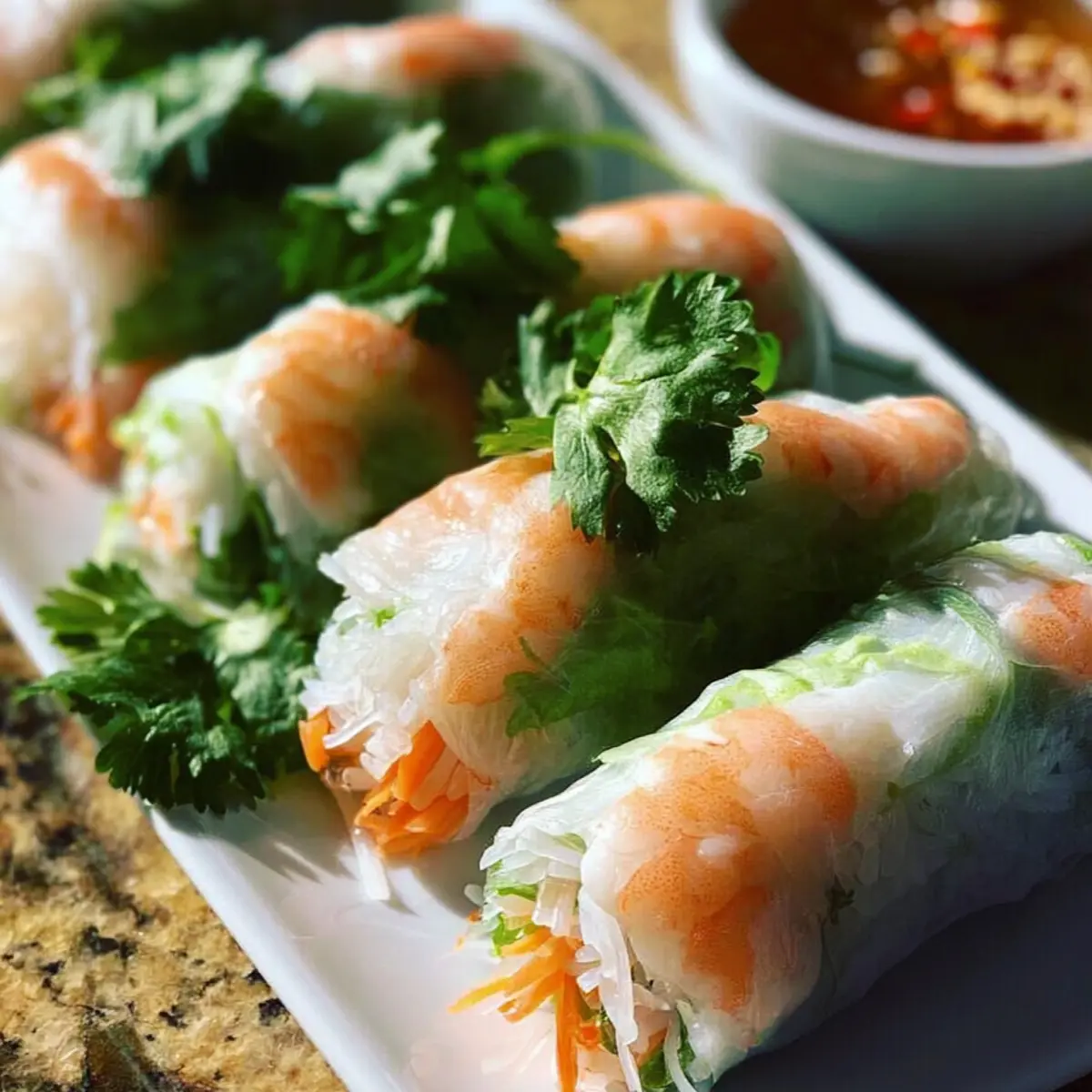
Maybe you’ve only tried fried versions before. But these Japanese Spring Rolls wrap silky rice noodles, sweet shrimp, and a garden’s worth of herbs in delicate rice paper. Dip them into peanut sauce and you’ll see—each roll delivers the perfect balance of clean, bright, and savory flavors.
What Makes Japanese Spring Rolls Unforgettable?
Sometimes, it’s the simple dishes that impress the most. Japanese Spring Rolls stand out for their lightness and beautiful rainbow of crisp veggies, all hugged by a barely-there rice paper wrapper. Each bite offers a satisfying crunch from carrots and cucumber, balanced by the tenderness of shrimp and aromatic herbs like mint and basil.What really sets these rolls apart is how customizable they are without losing their refreshing qualities. Unlike heavier, fried versions, these keep things clean and vibrant, making them perfect for hot days, light lunches, or sharing with friends. Plus, assembling each roll at the table adds a fun, interactive element to any meal.
A Closer Look at Japanese Spring Rolls Ingredients
The beauty of Japanese Spring Rolls lies in fresh, colorful ingredients and a simple method. Here’s what goes inside each roll and what role they play:- Rice paper wrappers – The see-through, delicate wrapper that brings everything together. Softens in water for easy rolling.
- Rice vermicelli noodles – Add chewiness and substance, soaking up the flavors of the veggies and herbs.
- Shrimp – Brings savory, tender bites and a touch of ocean sweetness.
- Carrot – Julienned for crunch and a subtle sweetness that brightens each bite.
- Cucumber – Adds refreshing, cool snap and keeps everything light.
- Mint leaves – Infuses the rolls with gentle, uplifting aromatic notes.
- Basil leaves – Offers a complex, herby layer that mingles beautifully with the mint.
- Lettuce – Shredded for a soft, juicy base that complements the other fillings.
- Peanut sauce – Served on the side for a creamy, savory dip that rounds out the roll’s flavors.
See the recipe card below for the full list of ingredients and measurements.
How to Roll Perfect Japanese Spring Rolls
Rolling Japanese Spring Rolls is all about preparation and a gentle hand. Here’s how you get that delicious, crisp bite every time:- Soak the rice vermicelli noodles in hot water until they’re soft and pliable, then drain them well. The noodles should be tender but not mushy.
- Prepare a large bowl of warm water—this will be key for softening each rice paper wrapper perfectly.
- Quickly dip a rice paper wrapper in the warm water. It becomes delicate and workable after just a few seconds, so don’t let it get too soft.
- Lay the moistened wrapper gently on a flat surface, smoothing out any wrinkles.
- Arrange a small amount of noodles, shrimp, carrot, cucumber, mint, basil, and lettuce along the bottom third of the wrapper. Leave space on the sides for folding.
- Fold the sides of the wrapper inward to tuck in the filling, then roll tightly from the bottom to the top. Aim for an even, compact roll so the ingredients don’t fall out.
- Repeat the process for each roll, arranging them seam-side down as you go.
- Serve the finished spring rolls with peanut sauce on the side and enjoy the crisp, fragrant results.
Texture Tips and Common Mistakes with Spring Rolls
A good spring roll is all about balance: tender noodles, snappy veggies, supple herbs, and a wrapper that’s neither too sticky nor too dry. If you’re new to rice paper, here are a few things to keep in mind:- Soaking rice paper for too long makes it soggy and hard to handle. Just a few seconds is all you need—once it’s just soft enough, let residual moisture finish the job.
- Keep fillings dry. Excess water from vegetables or herbs can cause tearing or make the rolls limp.
- Don’t overstuff. It’s tempting to pile on the fillings, but a light hand ensures you can roll everything securely and get clean, neat results.
- If your rolls are sticking together, place them slightly apart or layer with a damp towel until ready to serve.
Easy Variations and Serving Ideas for Spring Rolls
Japanese Spring Rolls shine on their own, but they also love good company. If you want to mix things up, try these ideas:- Swap shrimp for poached chicken, smoked tofu, or just go full veggie for a different protein profile.
- Sprinkle roasted sesame seeds inside each roll for an extra nutty crunch.
- Pair them with a classic miso soup or a side of pickled ginger for brightness.
- Add thin slices of avocado for a creamy touch, or a few chilled mango strips for a pop of sweetness.
- For gatherings, arrange a spring roll bar—let everyone build their favorite combos at the table.
No matter your approach, these spring rolls are a guaranteed crowd-pleaser, bringing color and freshness to any meal.
Keeping Your Spring Rolls Fresh: Storage and Make-Ahead Tips
Japanese Spring Rolls are best enjoyed fresh, right after rolling, when the wrapper is silky yet holds its shape. If you do need to make them ahead, cover the rolls with a damp cloth and wrap them in plastic wrap to keep the rice paper from drying out.Store spring rolls in the refrigerator if you’re not serving them immediately—though they’re best within a few hours. Avoid stacking, as they can stick together. For the peanut sauce, keep it in a jar or bowl separately, covered and chilled.
Reheating isn’t recommended for these lighter, fresh rolls, but letting them sit at room temperature for a few minutes before serving can help restore some tenderness.
FAQs about Japanese Spring Rolls
Can I make Japanese Spring Rolls in advance?
You can make these rolls a few hours ahead. To keep them fresh, cover with a damp cloth and plastic wrap, and refrigerate until needed. Serve soon after for best texture.
What can I use instead of shrimp in Japanese Spring Rolls?
Chicken, tofu, or simply more vegetables can be swapped for shrimp. This lets you suit different diets or use up what’s on hand in your kitchen.
Why did my spring rolls tear while rolling?
Rice paper tears if it’s soaked too long or if the fillings are too wet. Use a quick dip in water and lightly pat veggies dry for best results.
How do I keep Japanese Spring Rolls from sticking together?
Arrange finished rolls so they don’t touch, or use a damp towel to separate layers. Lightly oiling your serving platter can also help reduce sticking.
A Fresh Finish with Japanese Spring Rolls
Rolling Japanese Spring Rolls brings a satisfying sense of freshness and color to your table. Each bite bursts with crisp veggies, sweet shrimp, and fragrant herbs—all tucked into a delicate rice envelope. They’re a playful, hands-on dish that’s as enjoyable to make as it is to eat—especially when shared with friends for a light meal or as a vibrant appetizer.What To Try Next
If you enjoyed making Japanese spring rolls, these recipes offer fresh ideas to keep your cooking exciting.
- Fresh Vietnamese Spring Rolls — a light, fresh alternative using similar rolling and dipping techniques.
- Crispy Sriracha Spring Rolls — perfect if you want a spicy twist and a satisfying crispy texture.
- Cucumber Celery Salad With Green Apple — a refreshing salad to complement the flavors and crunch of spring rolls.
Recommended Equipment

Wakoli Professional Japanese Santoku Knife Set
For chopping vegetables and slicing shrimp precisely
View on Amazon
* As an Amazon Associate, I earn from qualifying purchases. There is no extra cost to you.

Japanese Spring Rolls: 5 Reasons to Love This Fresh Dish
Ingredients
Equipment
Method
- Soak the rice vermicelli noodles in hot water for 10 minutes.
- Prepare a large bowl of warm water.
- Dip a rice paper wrapper in warm water for a few seconds until soft.
- Place the softened wrapper on a flat surface.
- Add a small amount of noodles, shrimp, carrot, cucumber, mint, basil, and lettuce on the bottom third of the wrapper.
- Fold the sides of the wrapper inward and roll tightly from the bottom to the top.
- Repeat with remaining ingredients.
- Serve with peanut sauce.