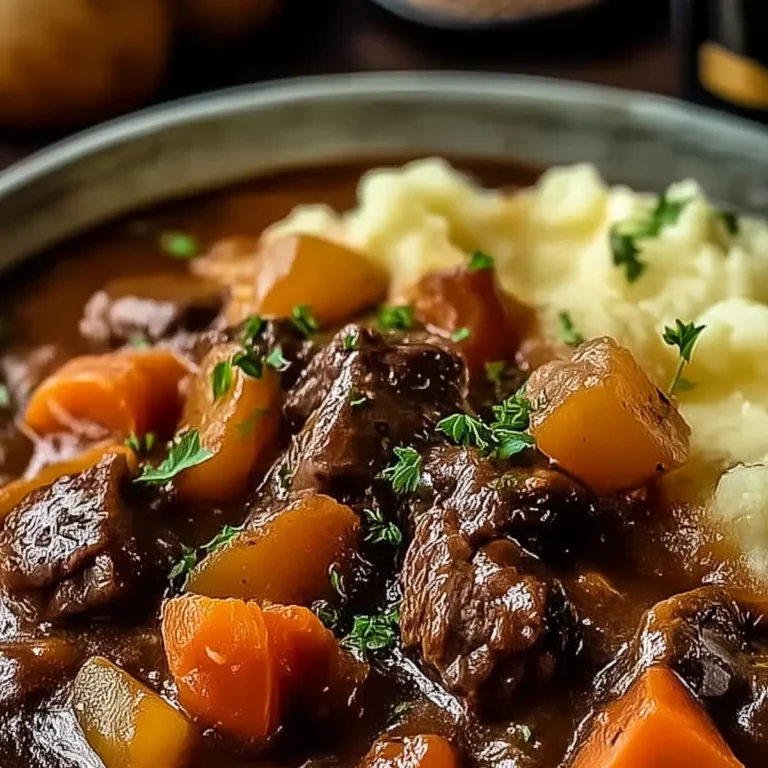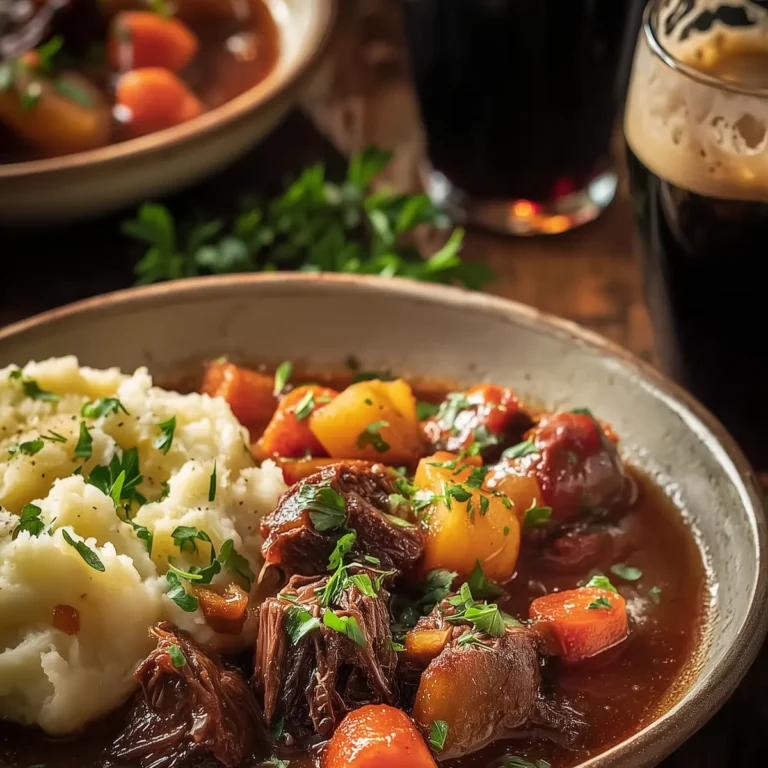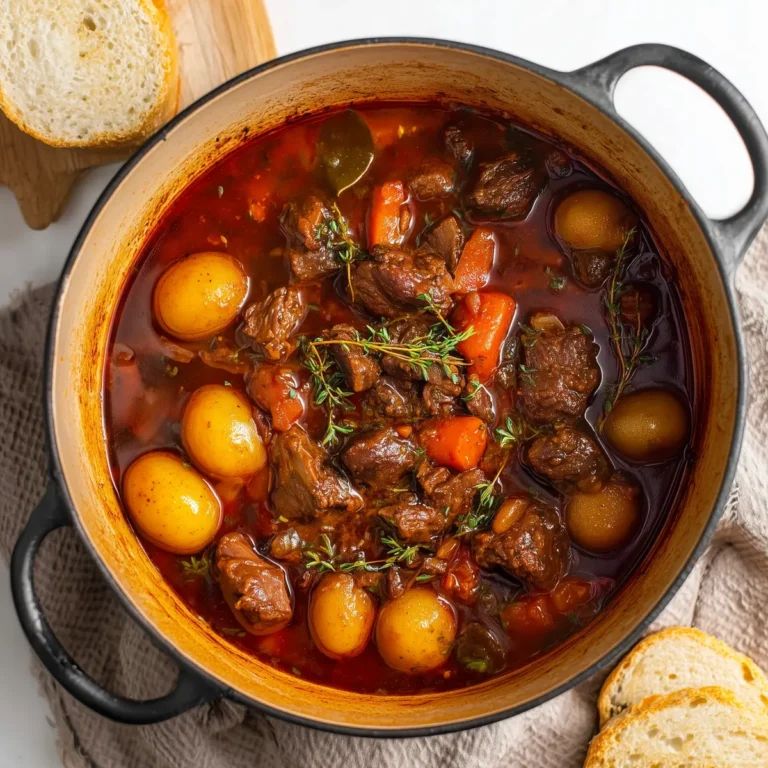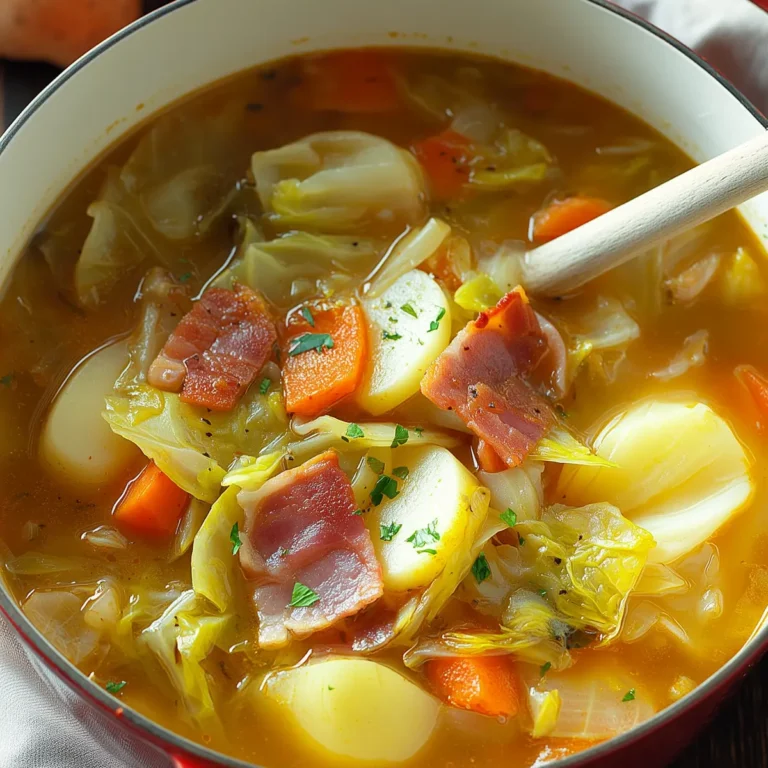
Traditional Irish Stew: Comforting and Alcohol-Free
If you’ve ever craved that comforting, slow-simmered flavor of a Traditional Irish Stew but didn’t want to fuss with boozy ingredients, you’re not alone. The first time I made this stew, I wanted all the old-country coziness without a splash of alcohol. Turns out, a couple of clever swaps and some honest-to-goodness, hearty ingredients get you that rich, deep flavor—with zero leftover bottle drama.
The aroma that fills your kitchen as this classic stew bubbles away is unbeatable. You’ll get a punchy hit of garlic, the sweetness of carrots and onions, and that unmistakable savoriness as [Traditional Irish Stew](#), well, does its thing. It’s a feast for your senses, perfect for when you want a dish that satisfies right down to your bones—whether it’s a chilly night or you just need an edible hug.
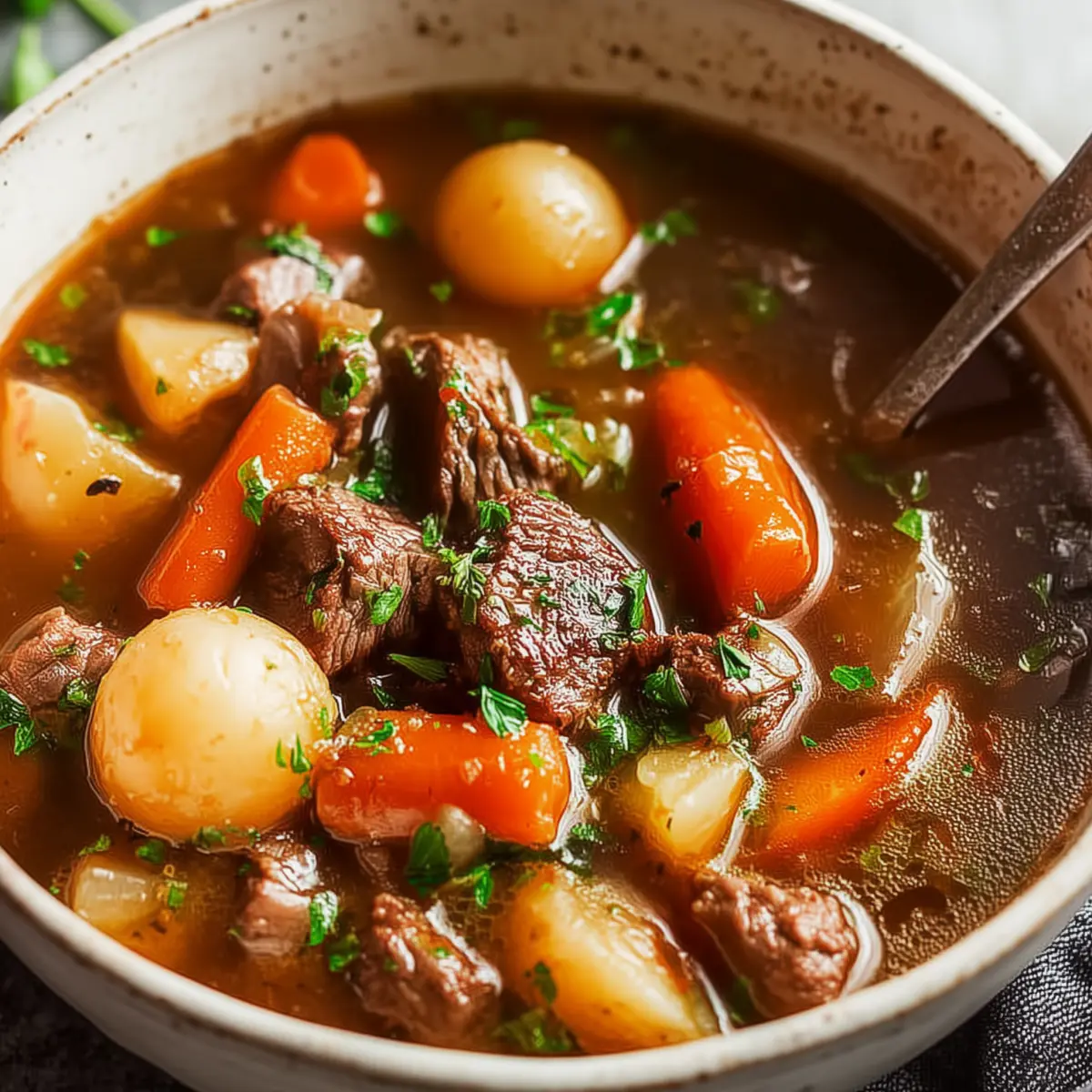
Comfort in Every Bite: What Makes This Traditional Irish Stew Different
Traditional Irish Stew doesn’t have to rely on old-school Guinness or wine to pack a serious flavor punch. One small, unforgettable change—swapping in non-alcoholic stout and red wine—shifts the whole experience. You still get that depth and body, but it’s entirely family-friendly.
This is the stew you want bubbling away on a lazy weekend or when friends drop by unannounced. It’s hearty, deeply savory, and the kind of comfort food that feels just right for chilly evenings. Plus, it’s loaded with veggies and slow-cooked [beef](https://en.wikipedia.org/wiki/Beef), making it as satisfying as it is wholesome.
Best of all, if you manage to have leftovers, the flavors deepen overnight. You’ll have a lunch or dinner the next day that’s even more mouthwatering—no extra effort required.
Ingredient Deep-Dive: Building Authentic Traditional Irish Stew Flavor
- Beef: brings the heartiness and meaty richness that makes Irish stew so special.
- Salt: not just for seasoning, but for balancing out all those bold and earthy flavors.
- Extra virgin olive oil: helps the beef brown beautifully for more depth.
- Garlic cloves: layer on the aromatics that hit your nose as soon as you walk in the kitchen.
- Beef stock: forms the savory backbone of the broth, wrapping every ingredient in rich flavor.
- Water: dilutes and melds all the strong flavors for a balanced, drinkable broth.
- Non-alcoholic stout beer: adds depth and that classic “pub” warmth, minus the booze.
- Non-alcoholic red wine: intensifies both the color and complexity of the stew.
- Tomato paste: for a hint of tang and subtle sweetness that rounds out the base.
- Sugar: boosts the natural sweetness of the veggies and balances acidity.
- Dried thyme: weaves earthy, herbal notes through every spoonful.
- Worcestershire sauce: sharpens and amplifies the umami, making everything taste more stew-y.
- Bay leaves: infuse the broth with subtle bitterness and aroma.
- Butter: creates that rich, glossy finish and softens the vegetables.
- Russet potatoes: the classic stew filler; they soak up flavor and thicken the broth as they cook down.
- Onion: gives a mellow, sweet base that bubbles into the background perfectly.
- Carrots (or parsnips): add natural sweetness and a pop of color.
- Black pepper: kicks things up just enough; adjust for more warmth if you like a bolder bite.
- Fresh parsley: for a final, grassy freshness that cuts through the richness.
See the recipe card below for the full list of ingredients and measurements.
Ingredient Swaps and Personal Twists
Want to tweak this Traditional Irish Stew based on what you have or what you love? No problem. If you’re out of non-alcoholic stout, you can use a malty non-alcoholic beer—or even swap in more beef stock and a splash of balsamic for depth. Not a fan of red wine? Just add extra stock and toss in a splash of balsamic or grape juice for a subtle sweet tang.
For a lighter approach, try lamb or turkey in place of beef; both hold up well and offer their own unique taste. If parsnips aren’t your thing, up the carrot or swap in turnip. Don’t like thyme? Rosemary or even a pinch of marjoram makes a great stand-in. The base is forgiving, so you can easily make it yours without losing that quintessential stew feel.
How to Cook This Traditional Irish Stew Easily at Home
- Start by seasoning your meat with a pinch of salt and let it sit for just a minute or two while your pot heats up. When that olive oil shimmers, drop in the beef and listen for a lively sizzle—cook in small batches for the best golden crust without crowding.
- Once the beef is browned, toss in your garlic and let it bloom until fragrant. Pour in beef stock, a hit of water, the non-alcoholic stout, and that splash of red wine. Stir in tomato paste, a spoonful of sugar, thyme, Worcestershire sauce, and bay leaves. Give everything a good stir and let it gently simmer; this is where flavors start marrying and the liquid turns deep and inviting.
- Meanwhile, in another pan, melt butter and slide in the onions and carrots (or parsnips). Sauté until everything is soft, sweet-smelling, and just turning golden—patience pays off here for a naturally sweet base.
- Add your sautéed veggies plus the potatoes to the stew pot. Sprinkle in black pepper for a hint of warmth, add more salt if you crave it, and simmer uncovered. Stew is ready when the potatoes are buttery-soft and the beef is fork-tender. Skim away any extra fat, toss out the bay leaves, and ladle everything into bowls. Finish with a dusting of fresh parsley for that hit of color and brightness just before serving.
Easy Irish Stew Tips, Tricks, and Make-Ahead Advice
The trickiest part about making a Traditional Irish Stew is not overthinking it—it’s all about letting big flavors mingle slowly. Always dry your beef before browning; this helps you get that craveable golden crust. Sautéing the onions and carrots first (with patience!) sets a naturally sweet foundation.
If your stew tastes a touch flat, a splash more Worcestershire or a grind of fresh pepper can revive it instantly. Letting the stew sit covered after cooking—just half an hour or so—makes a massive difference in melding flavors. And if you’re skipping potatoes or want a looser stew, throw in an extra half cup of stock.
For leftovers, store in an airtight container in the fridge. The flavors become more complex after a night’s rest, and it reheats beautifully on the stove or even in the microwave. If you plan on freezing, just leave the potatoes a bit firmer so they don’t get too soft when reheated.
Pairings and Variations for Every Mood
Nothing beats a steaming bowl of Traditional Irish Stew with a chunk of crusty soda bread—or even a thick slice of buttered brown bread if you’re feeling classic. For a livelier table, serve with a crisp green salad tossed in a lemony vinaigrette to balance the stew’s richness.
You can slip in extra root veggies—think celery root, swede, or a little shredded cabbage for a hint of sweetness and bulk. If you like a smoother, thicker broth, mash a few potato chunks into the stew just before serving. And if you’re craving something even more “Irish pub,” finish with a knob of butter and some chopped chives sprinkled over the top.
Want to get ahead? The full pot can be made up to two days in advance and just gets better with time. It also freezes like a charm—simply thaw overnight in the fridge and reheat gently.
FAQs about Traditional Irish Stew
Does a Traditional Irish Stew have to use lamb?
No, you can make a Traditional Irish Stew with beef just as easily. Historically, lamb was often used, but beef offers hearty flavor and a satisfying, rich texture.
Is it necessary to include alcohol in Irish stew for authentic flavor?
Not at all—non-alcoholic stout and red wine provide deep, complex flavors without the alcohol. You still get that signature richness, so it’s perfect for any household.
How do I keep the beef tender in stew?
Gentle, slow simmering is the key to tender beef. Avoid boiling and give it enough time to break down so each bite is melt-in-your-mouth.
Can Traditional Irish Stew be made vegetarian?
Absolutely! Use mushrooms or hearty root vegetables like turnip or celeriac in place of beef. Vegetable broth, plus an extra dash of Worcestershire (check if it’s vegetarian), builds satisfying umami.
Final Thoughts on Traditional Irish Stew
There’s a reason why Traditional Irish Stew never goes out of style—it’s simple, deeply flavorful, and honestly satisfying. Whether you’re sticking with classic ingredients or tweaking things to fit your pantry, it always comes out like a warm hug in a bowl.
If you need a dish that feeds a crowd, keeps well, and adapts to all kinds of moods, Traditional Irish Stew should be your next cozy project. Once you taste the depth from that tiny, unforgettable change, you’ll find yourself making it all year round.
More Tasty Ideas
- Slow Cooked Beef Stew: This hearty stew shares similar ingredients and cooking methods, making it a cozy option for chilly nights.
- Lamb Stew: For those who enjoy the classic stew experience, this recipe offers a delicious twist using lamb as the main protein.
- Vegetable Stew: A great vegetarian alternative, this dish highlights hearty vegetables and rich flavors similar to Irish stew.
Traditional Irish Stew Recipe: 1 Unforgettable Change
Ingredients
Equipment
Method
- Brown the beef: Sprinkle salt over the beef. Heat olive oil in a large pot over medium-high heat. Pat beef dry and brown in batches.
- Add garlic and stock ingredients: Add garlic to the pot and sauté. Add beef stock, water, non-alcoholic stout, non-alcoholic red wine, tomato paste, sugar, thyme, Worcestershire sauce, and bay leaves. Stir and simmer for 1 hour.
- Sauté onions and carrots: Melt butter in another pot. Sauté onions and carrots until golden, about 15 minutes. Set aside.
- Add vegetables and simmer: Add onions, carrots, and potatoes to the beef stew. Add black pepper and salt. Simmer uncovered until vegetables and beef are tender, about 40 minutes. Discard bay leaves. Remove excess fat. Transfer stew to bowls. Add salt and pepper to taste. Sprinkle with parsley and serve.