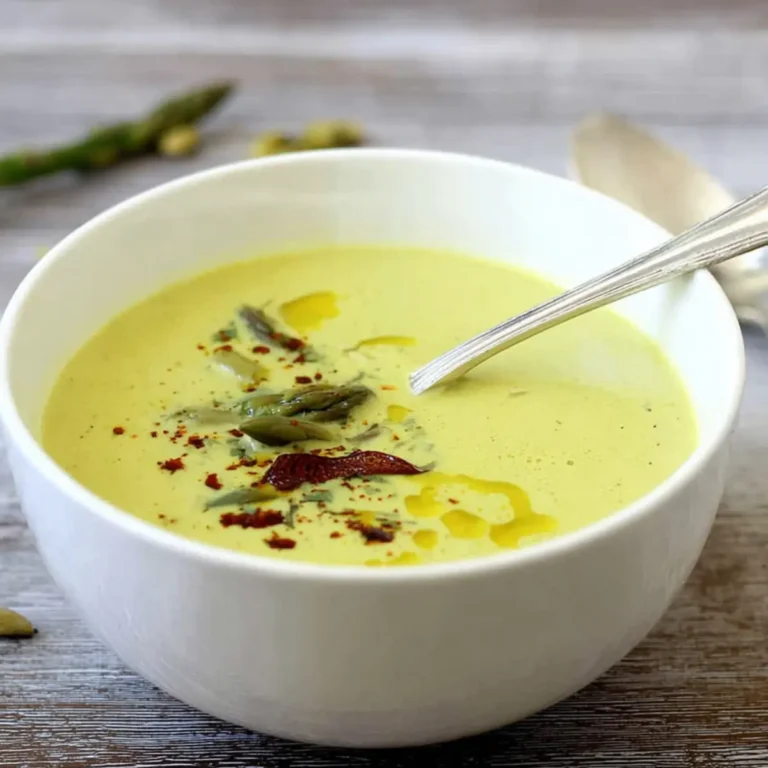
Spring Pistou Soup: A Bright and Comforting Recipe
There’s something especially uplifting about a big bowl of Spring Pistou Soup. It captures the brightness of the season, with fresh greens and herbs in every spoonful, but is deeply comforting — a bridge between cold nights and longer, lighter days. The subtle perfume of basil and garlic in the pistou, swirling over steamy broth, is the kind of kitchen moment you’ll want to linger in. Whether you’re new to classic French recipes, or simply crave a wholesome, veggie-forward meal, this soup is an absolute winner.
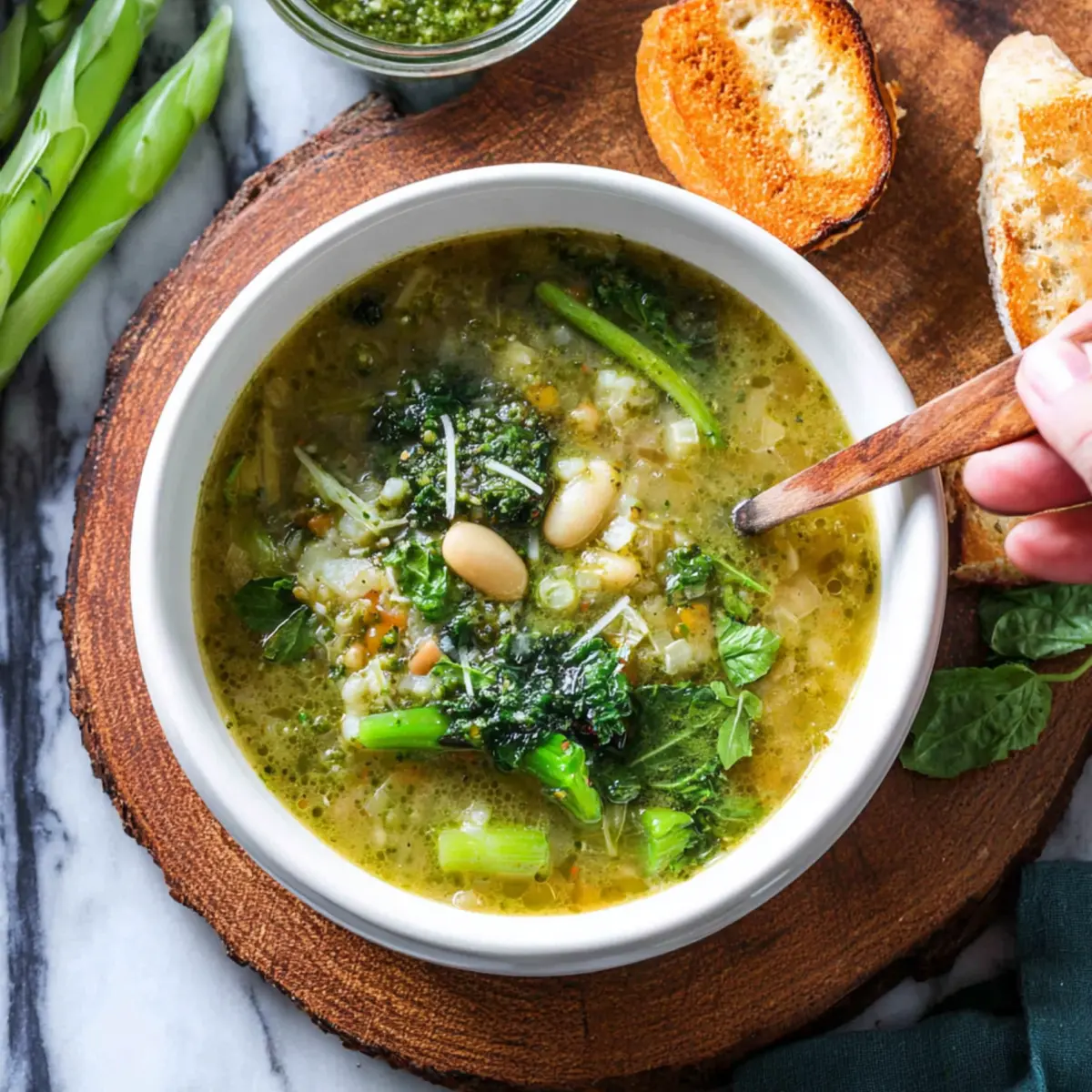
Tools to create this vibrant Spring Pistou Soup
- Large heavy-bottomed pot – Holds heat evenly and gives plenty of space for a bubbling pot of soup packed with veggies and beans.
- Wooden spoon or spatula – Perfect for stirring the base and helping to mash the potatoes and beans later for a creamy finish.
- Potato masher (optional) – If you want your soup thicker and heartier, mashing some potatoes and beans is key.
- Hand blender (optional) – For a silkier texture, just blend a bit right in the pot.
- Mortar and pestle or food processor – Essential for making the pistou topping, whether you go old school or modern.
- Measuring spoons – Keep those flavors balanced with the right pinch of salt, herbs, and seasonings.
Ingredient guide: everything you need for flavor
- olive oil – Brings rich depth and silkiness, perfect for sautéing and finishing the pistou.
- Leeks – Mild, sweet, and earthy; set the aromatic backbone of the soup.
- Celery – Adds a fresh crunch and subtle savory note to every spoonful.
- Garlic – Essential for its fragrant bite in both the soup and the pistou.
- Russet potatoes – Heartily thicken the soup and naturally create a velvety texture.
- Fresh thyme leaves – Earthy and floral, essential for classic French flavor.
- Herbs de Provence – An evocative blend that brings a whiff of the French countryside.
- Salt – Draws out the vegetables’ flavor and balances the pistou.
- Ground black pepper – Adds warmth and a bit of bite.
- Dry white wine – Adds a bright acidity and deglazes the pot for more depth.
- Vegetable broth – The soup’s savory foundation, tying the ingredients together.
- Lemon juice (optional) – Provides a hit of freshness and makes flavors pop.
- Cannellini beans – Creamy, protein-rich, and add lovely body to the soup.
- Spinach – Delicate leafy greens, stirred in at the end for color and nutrition.
- Sea salt – Subtle and pure, especially for seasoning the pistou.
- Fresh basil leaves – The heart of pistou, sweet and fragrant.
- Half a lemon (optional) – Lifts the pistou’s final flavor even higher.
See the recipe card below for the full list of ingredients and measurements.
How to make Spring Pistou Soup step by step
- Heat your large heavy-bottomed pot over medium heat until it’s warm. Pour in the olive oil and let it shimmer — a little sizzle lets you know it’s ready.
- Add the sliced leeks, celery, garlic, diced potatoes, thyme, herbs de Provence, salt, and pepper. Stir and cook for about 15 minutes, until the leeks and celery turn soft and translucent and the potatoes are tender. If the bottom starts to look dry, a splash of water works wonders.
- Increase heat to medium-high. Add the white wine, stirring to deglaze the gorgeous caramelized bits stuck to the pot. Let the wine cook off for about 3–4 minutes; you’ll notice the aroma mellowing out.
- Pour in the vegetable stock and add the cannellini beans. Bring everything up to a lively simmer, then reduce the heat so it’s gently bubbling. Simmer for another 10–12 minutes, just until the potatoes can be pierced easily with a fork.
- Thicken the soup by mashing some of the potatoes and beans right against the side of the pot with your spoon or a potato masher. For a silkier body, use a hand blender to briefly blitz. Let simmer another 5 minutes after mashing to blend the flavors further.
- Switch off the heat. Stir in the fresh spinach and a splash of lemon juice (if you’re adding it). The greens should wilt quickly, their color turning bright and vivid.
- Taste and adjust the seasoning — more salt or pepper if needed. Ladle the soup into bowls and top with a generous spoonful of pistou before serving.
- For the pistou, start by smashing the garlic and sea salt together in a mortar until you have a smooth paste.
- Add the basil leaves, pounding them in until you’re left with a vibrant green, paste-like sauce.
- Gradually incorporate the olive oil as you mash, adding a little at a time, until your pistou is glossy and silky. Taste and adjust with extra salt or lemon juice if you fancy brighter notes.
- If you’re using a food processor, combine garlic, salt, and basil leaves in the bowl and pulse to break down the mixture.
- With the processor running, drizzle in the olive oil tablespoon by tablespoon, letting it emulsify into a sauce.
- Taste your pistou, checking for desired saltiness and brightness, then serve over steaming soup bowls for a fresh herbal finish.
Troubleshooting: texture, taste, and easy fixes
Even the most reliable soups can throw you a curveball now and then. If your Spring Pistou Soup turns out too thin, simply mash more potatoes and beans or simmer a little longer with the lid off. For a soup that’s too thick, dribble in extra vegetable broth until it reaches that just-right, spoon-coating consistency.
Sometimes potatoes cook unevenly — if you find a few stubborn chunks, keep simmering gently and check every few minutes. If your veggies stick or begin to brown too quickly, lower the heat and add a touch more olive oil or a splash of water to prevent scorching.
The pistou should be smooth and lush. If it comes out too chunky or bitter, mash a bit more thoroughly and be generous with the olive oil. If the soup is flat in flavor, a pinch more salt or a squeeze of lemon does wonders.
Don’t stress if your soup looks more rustic than refined — that’s honestly where the best flavor lives. Let the steam carry the herby aroma through your kitchen and taste as you go for best results.
Pairings and variations: make it your own
This Spring Pistou Soup could easily be a one-bowl lunch or light dinner, but it also shines alongside other simple pleasures:
- Crusty baguette or toasted sourdough – to mop up the last bits of brothy goodness and pistou.
- Simple green salad – a bright, crisp counterpoint to the hearty soup.
- Soft goat cheese with herbs – spread on bread, it plays well with the pistou’s basil and garlic.
- Chilled white wine or sparkling water – an easy sip to keep the meal feeling fresh.
Switch up the base by swapping spinach for kale or tender chard. Add diced carrots or peas for even more spring bounty. For a more filling bowl, stir in small pasta shapes toward the end of cooking (let them simmer until al dente, then serve).
If you prefer a vegan pistou, stick with the core basil, garlic, and olive oil. To make it heartier, top with toasted pine nuts or a swirl of non-dairy pesto. For heat-lovers, a pinch of red pepper flakes in the soup base brings subtle warmth without distracting from the layers of herby flavor.
FAQs about Spring Pistou Soup
Can I make Spring Pistou Soup ahead of time?
Absolutely. The soup actually tastes even better a day later, once the flavors have melded together overnight in the fridge. Store the soup and pistou separately for the freshest topping and reheat the soup gently before serving. Add the pistou just before eating to keep its vibrant color and aroma.
Is Spring Pistou Soup suitable for freezing?
Yes, you can freeze the soup base (without pistou) in airtight containers for up to three months. Defrost in the fridge and reheat gently on the stove, stirring well. Leave out the pistou when freezing, as the fresh basil and olive oil are best added just before serving for maximum flavor.
Which substitutions work if I can’t find cannellini beans or leeks?
Feel free to swap cannellini beans for other mild white beans, like great northern or navy. If leeks aren’t available, try a mix of mild onions and extra celery. The soup will still capture that spring-fresh, herby taste!
Conclusion: colorful Spring Pistou Soup to share
When you ladle out this Spring Pistou Soup, you bring a garden’s worth of flavor to the table — gentle, aromatic, and endlessly inviting. The sweet leeks, creamy beans, and grassy basil pistou make each bite lively and fresh, like a breath of spring even on gray days. Enjoy it with company or savor solo with a slab of crusty bread; either way, every bowl promises brightness and warmth.
More Relevant Recipes
- Easter Vegetable Salad: This salad highlights seasonal vegetables, making it a great companion to the fresh flavors of Spring Pistou Soup.
- Easter Spring Salad with Goat Cheese: The vibrant greens and creamy cheese echo the freshness of the soup, providing a perfect contrast.
- Easter Spring Couscous Salad with Feta: This dish includes fresh ingredients and herbs, mirroring the herbal notes of the pistou.

Spring Soupe Au Pistou
Ingredients
Equipment
Method
- Heat a large, heavy-bottomed pot over a medium heat then add the oil when the pot is hot.
- Add the leek, celery, garlic, potato, thyme, herbs de Provence, salt and pepper. Cook about 15 minutes, stirring every so often until the leeks and celery are soft and translucent and the potato tender. If the pot ever starts to feel a little dry, add an extra tablespoon of water.
- Adjust to a medium-high heat. Add the wine. Cook and stir a few minutes to deglaze the bottom of the pan. Cook until the wine has evaporated, about 3-4 minutes.
- Add the vegetable stock and beans. Bring to a simmer over a high heat, then adjust the temperature as needed to maintain the simmer. Cook about 10-12 minutes until the potatoes are fork tender.
- Use the back of a large spoon or a potato masher to mash up some of the potatoes and beans to thicken the soup. Alternatively, you can briefly use a hand blender to blend up the soup as well. Cook another five minutes or so after mashing/blending.
- Turn off the heat. Stir in the spinach and lemon juice (if using) until the spinach wilts into the soup.
- Taste and season as needed. Divide between serving bowls and serve each bowl with a generous dollop of pistou on top and enjoy.
- Add the garlic and salt to a large mortar. Use the pestle to bash the garlic and salt together to make a mostly smooth, creamy consistency.
- Add the basil leaves to the mortar and keep bashing with the pestle to make a dark green, paste-like sauce.
- Gradually add the olive oil as you bash. Keep adding oil and mixing until you reach your desired consistency. Taste and season with salt as you see fit. Add a squeeze of lemon juice if desired.
- Add garlic, salt and basil leaves to the bowl of a food processor. Pulse the mixture a few times to break down the leaves and garlic.
- While the machine is running, drizzle the olive oil into the processor 1 tablespoon at a time. Keep adding the oil to get a sauce-like consistency.
- Taste and season the pistou as you see fit. Add an extra pinch of salt or maybe a squeeze of lemon juice.