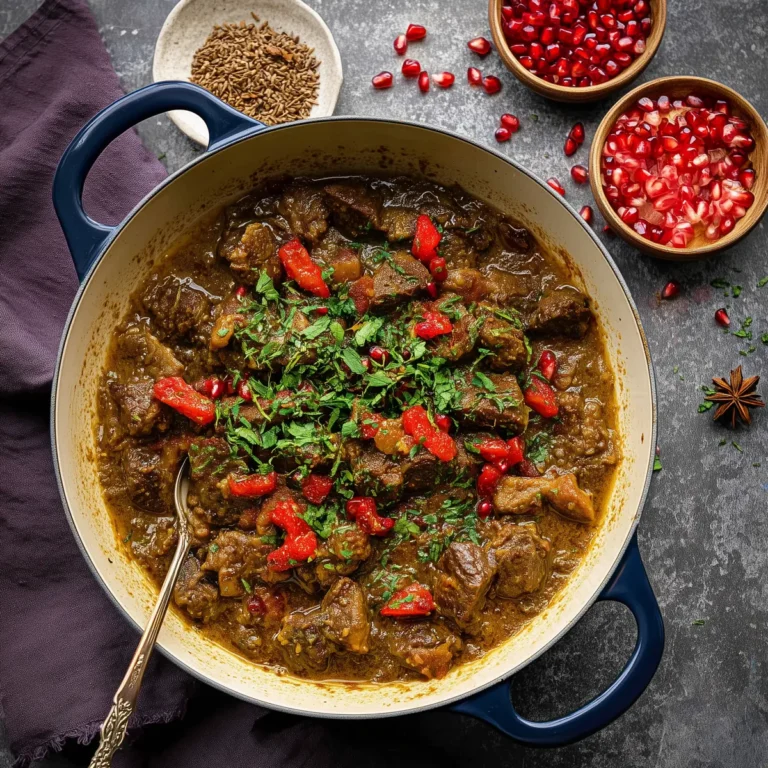
Slow Cooked Irish Stew with Colcannon: A Comforting Delight
If you’ve been craving honest-to-goodness comfort food, let me take you straight to the Irish countryside with this Slow Cooked Irish Stew with Colcannon. It’s one of those meals that warms your hands before it even hits your heart—a big bowl of beefy, beer-braised stew with fluffy green-flecked mash piled on the side. The kitchen fills with the scent of thyme and simmering onions, and you just know dinner’s going to be memorable. Whether it’s a chilly weekend or you’re feeding a hungry crowd, this stew + colcannon combo never disappoints.
I can still remember the first time I made this for friends—a swirl of steam, second helpings all around, and not a word spoken till the last spoonful. When a slow-simmered dish feels like home even before you taste it, you know you’ve found a keeper.
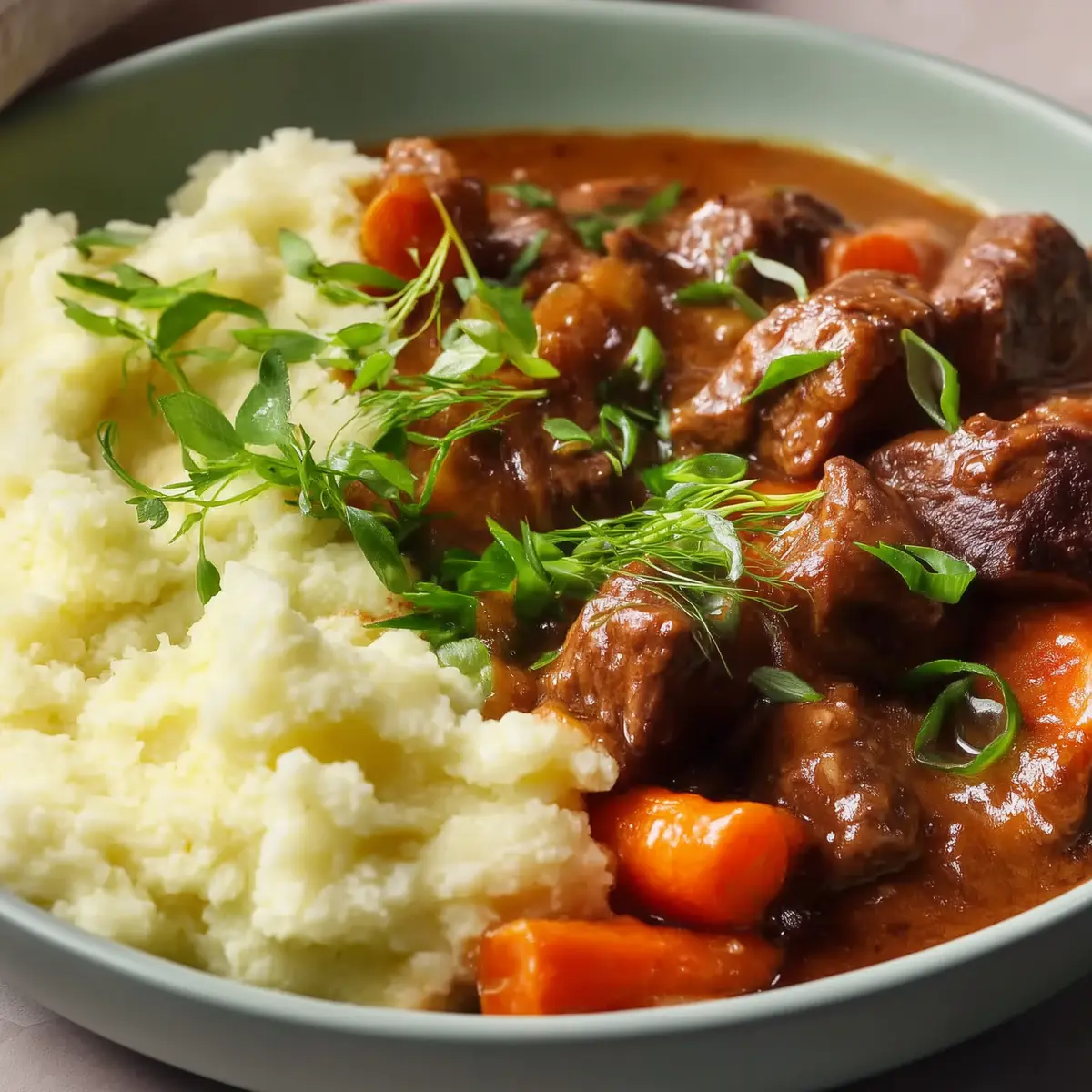
Why This Slow Cooked Irish Stew with Colcannon Hits Different
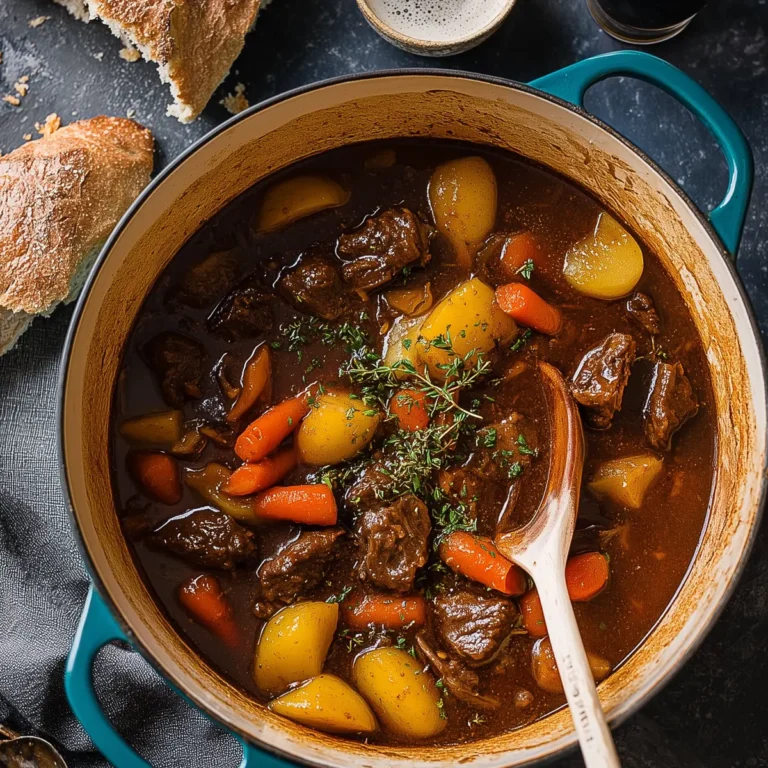
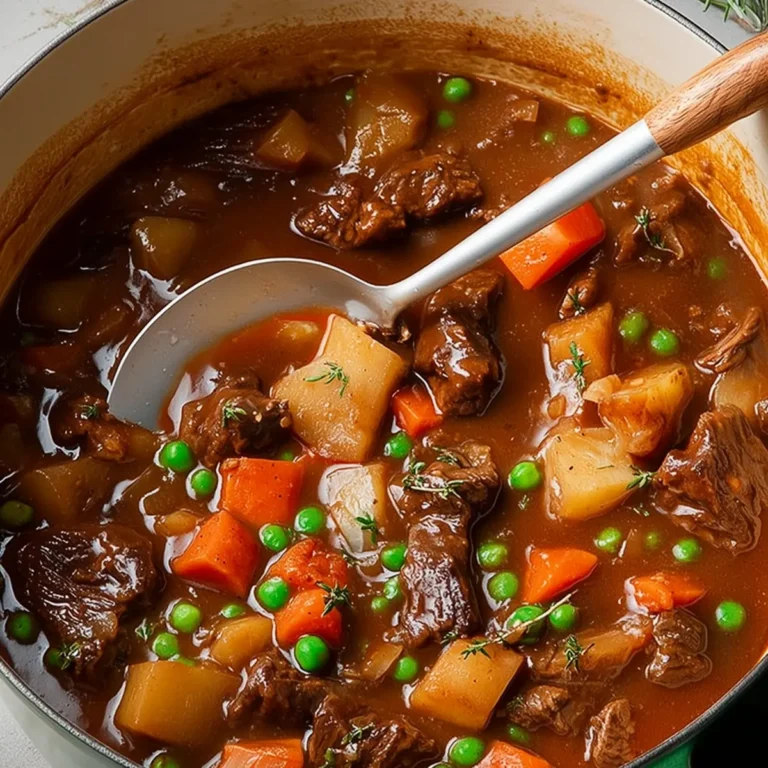
Let’s be honest—there are plenty of cozy stews out there, but none of them quite match the soul-soothing magic of a Slow Cooked Irish Stew with Colcannon. This isn’t just about tender chunks of beef and sweet carrots swimming in a savory, glossy broth. It’s about the way that Guinness adds malty, dark undertones, and the way everything melds together after a few unhurried hours on the stove.
Pairing the stew with colcannon—those famously creamy mashed potatoes speckled with greens—takes this dish straight into “second helping” territory. You get rich, melting beef next to buttery potatoes, a bit of crunch from carrots, and green flecks of parsley and thyme brightening every bite. Whether you’re planning a holiday feast, need a make-ahead meal for a busy week, or just want that old-fashioned “wow” factor, this stew is the kind of comfort that always delivers.
Ingredient Breakdown for Ultimate Irish Stew and Colcannon
Here’s what you’ll need to build layers of flavor for the ultimate Slow Cooked Irish Stew with Colcannon:
- olive oil – for searing your beef to golden-brown perfection and adding luscious richness.
- Chuck roast – the hero of the stew, this cut delivers melt-in-your-mouth textures after slow cooking.
- Onion – brings a gentle sweetness and savoriness as it softens into the broth.
- Celery – offers aromatic depth and a subtle backbone to the stew base.
- Fresh garlic – infuses the whole pot with pungent, aromatic warmth.
- Guinness stout – the signature Irish brew, adding roasty notes and body to your broth.
- Beef stock – cranks up the savoriness with an extra-rich, satisfying flavor profile.
- Tomato paste – a little goes a long way to boost umami and add subtle tang.
- Worcestershire sauce – gives a complex, savory “something extra” you can’t quite put your finger on.
- Salt – pulls all those flavors out and ties them together.
- Pepper – a peppery backbone to balance the richness.
- Thyme – earthy, herby, and totally classic in Irish stew.
- Bay leaves – lend subtle background fragrance you can’t skip.
- Carrots – for sweetness, color, and that touch of old-fashioned stew comfort.
- Smoked paprika – adds depth, color, and a whiff of smokiness.
- Parsley – fresh, green brightness to finish things off.
See the recipe card below for the full list of ingredients and measurements.
How to Make Slow Cooked Irish Stew with Colcannon Step by Step
The magic of this stew is all about patience and building flavor, layer by glorious layer. Here’s how you turn that bundle of humble ingredients into pure comfort food:
- Start by generously seasoning the beef cubes. Heat a generous pour of olive oil in your largest Dutch oven or sturdy pot—you want it to shimmer across the base. Sear the beef in batches until each piece is deeply browned on all sides. Those crusty bits on the bottom? Leave them for now. That’s future flavor.
- Add the onion and celery straight into the same pot, letting them sweat in the beefy drippings. Stir them often, scraping up those brown bits until the veggies start to soften and the whole kitchen smells incredible.
- Toss in the minced fresh garlic. Let it sizzle just until it’s fragrant but not browned—this is where things start feeling authentically Irish.
- Pour in the Guinness stout, letting it foam and hiss as it picks up every last scrap from the bottom. Give it a good stir and let it bubble for a minute or two, so the alcohol cooks off and leaves behind all that toasty richness.
- Stir in the beef stock, tomato paste, Worcestershire sauce, salt, pepper, thyme, bay leaves, and smoked paprika. Tuck those browned beef cubes right back in, nestling them among the simmering liquid. Add in the carrot rounds for their sweetness and color.
- Bring everything to a gentle simmer, then reduce the heat to low and cover with a tight-fitting lid. Leave it alone—no peeking—for as long as you can stand it. The slow cook melds the flavors, tenderizes the beef, and makes the kitchen feel like a cozy Irish pub.
- While the stew does its thing, get your colcannon ready. Prepare creamy mashed potatoes the old-fashioned way, folding in sautéed cabbage (or kale) and maybe a swirl of butter and scallions. Taste for seasoning and save them warm for serving.
- When the beef is fork-tender and the broth is dark and glossy, fish out the bay leaves and discard them. Taste, adjust seasoning if needed, and sprinkle with chopped fresh parsley for that final flourish.
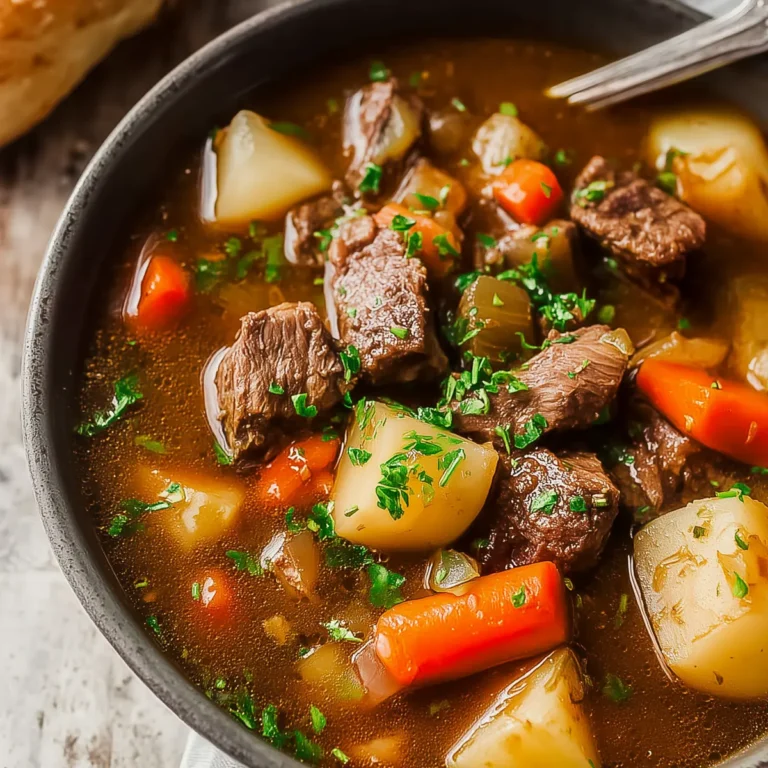
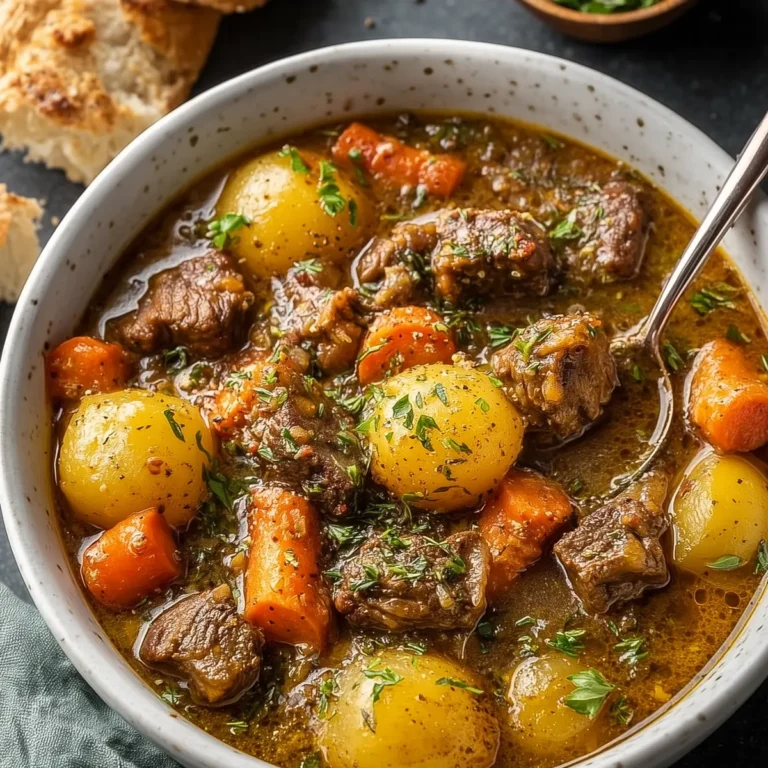
- Ladle the stew into wide bowls, pile the colcannon alongside or underneath, and serve piping hot. Every forkful is rich, hearty, and exactly what you want when only comfort food will do.
Tips for Extra Flavor and Success
Let’s talk a few tricks that’ll help your Slow Cooked Irish Stew with Colcannon really shine. Always take the time to brown your beef in batches—crowding the pan leads to steaming, not searing, and you want that golden crust for depth. If the stew looks a little thin after simmering, let it burble uncovered for a while until it thickens up; if it’s too thick, a splash of beef stock or even a bit of water will set it right.
Don’t skip the Guinness, but if you’re alcohol-free, swap it with extra stock for a slightly lighter (but still tasty) version. As for the colcannon, the secret’s all in the mash—use a starchy potato and plenty of butter for best results. Stew tastes even richer the next day, so leftovers are a real treat. Store in an airtight container in the fridge and gently reheat for another round of cozy dinners. And don’t be afraid to make a double batch—this stew freezes beautifully.
Serve It Your Way: Twist on Slow Cooked Irish Stew with Colcannon
The beauty of Slow Cooked Irish Stew with Colcannon is how versatile it is. Serve it in broad shallow bowls with a heap of colcannon right in the center, or serve potatoes on the side for dunking. A generous sprinkle of chopped parsley or even a little extra pepper over the top always looks inviting.
If you want to stretch this dish or make it vegetarian, you could swap the beef for chunky mushrooms and double up on carrots and celery—you’ll still get that familiar, deep comfort. For a touch of modern flair, add a handful of sautéed kale to your colcannon, or splash in a bit of horseradish for gentle heat. On the side, try crusty brown bread or a pint of your favorite Irish ale (keep the cozy vibes going).
This stew makes a fantastic celebratory meal for St. Patrick’s Day or Sunday family dinners. If you’ve got leftovers, turn them into a next-day pie with a pastry lid, or just tuck into the stew straight from the fridge (honestly—no judgment). However you serve it, this dish puts a smile on everyone’s face.
FAQs about Slow Cooked Irish Stew with Colcannon
Can I freeze Slow Cooked Irish Stew with Colcannon?
You can absolutely freeze the stew portion. Let it cool completely, then freeze in well-sealed containers. Just know that cooked potatoes can get a little mealy after freezing, so store colcannon separately and make a fresh batch when you’re ready to serve again.
What can I use instead of Guinness in this Irish stew?
If you don’t have Guinness (or prefer not to use alcohol), substitute with more beef stock or even a deeply roasted vegetable stock. You’ll miss a hint of that malty note, but the stew will still taste hearty and satisfying.
How should I store leftover Slow Cooked Irish Stew with Colcannon?
Store stew and colcannon in separate airtight containers in the fridge. The flavors develop even more overnight. Reheat the stew slowly on the stove, adding a splash of stock if it’s thickened too much. Warm the colcannon over gentle heat or in the microwave until steaming.
Can I make Slow Cooked Irish Stew with Colcannon ahead of time?
Yes! The flavors only get better after a rest in the fridge. Stew can be made a day or two in advance. Make the colcannon a few hours ahead if needed, and reheat just before serving. A smart move for holidays or busy weekends.
When you’re ready for a meal that feels like a bear hug on a blustery day, pull out this Slow Cooked Irish Stew with Colcannon recipe. Every spoonful delivers silky, tender beef, a broth that’s deeply savory with savory-sweet edges, and a swirl of green-studded mashed potatoes that soak up every drop. Make it for Sunday supper, a casual get-together, or any time you need that extra bit of comfort. Grab a big bowl, heap on the colcannon, and dig in—the warmth will stick with you well after dinner.
More Delicious Recipes
- Creamy Mushroom Soup: A rich and comforting dish that complements the hearty flavors of the Irish stew.
- Irish Soda Bread: This traditional bread is perfect for dunking in your stew and brings a taste of Irish culture to the table.
- Beef and Vegetable Soup: A wholesome option that features tender beef and colorful veggies, echoing the rustic comfort of the Irish stew.

Slow Cooked Irish Stew with Colcannon - thegirlskitchen
Ingredients
Equipment
Method
- Start by generously seasoning the beef cubes. Heat a generous pour of olive oil in your largest Dutch oven or sturdy pot—you want it to shimmer across the base. Sear the beef in batches until each piece is deeply browned on all sides. Those crusty bits on the bottom? Leave them for now. That’s future flavor.
- Add the onion and celery straight into the same pot, letting them sweat in the beefy drippings. Stir them often, scraping up those brown bits until the veggies start to soften and the whole kitchen smells incredible.
- Toss in the minced fresh garlic. Let it sizzle just until it’s fragrant but not browned—this is where things start feeling authentically Irish.
- Pour in the Guinness stout, letting it foam and hiss as it picks up every last scrap from the bottom. Give it a good stir and let it bubble for a minute or two, so the alcohol cooks off and leaves behind all that toasty richness.
- Stir in the beef stock, tomato paste, Worcestershire sauce, salt, pepper, thyme, bay leaves, and smoked paprika. Tuck those browned beef cubes right back in, nestling them among the simmering liquid. Add in the carrot rounds for their sweetness and color.
- Bring everything to a gentle simmer, then reduce the heat to low and cover with a tight-fitting lid. Leave it alone—no peeking—for as long as you can stand it. The slow cook melds the flavors, tenderizes the beef, and makes the kitchen feel like a cozy Irish pub.
- While the stew does its thing, get your colcannon ready. Prepare creamy mashed potatoes the old-fashioned way, folding in sautéed cabbage (or kale) and maybe a swirl of butter and scallions. Taste for seasoning and save them warm for serving.
- When the beef is fork-tender and the broth is dark and glossy, fish out the bay leaves and discard them. Taste, adjust seasoning if needed, and sprinkle with chopped fresh parsley for that final flourish.
- Ladle the stew into wide bowls, pile the colcannon alongside or underneath, and serve piping hot. Every forkful is rich, hearty, and exactly what you want when only comfort food will do.