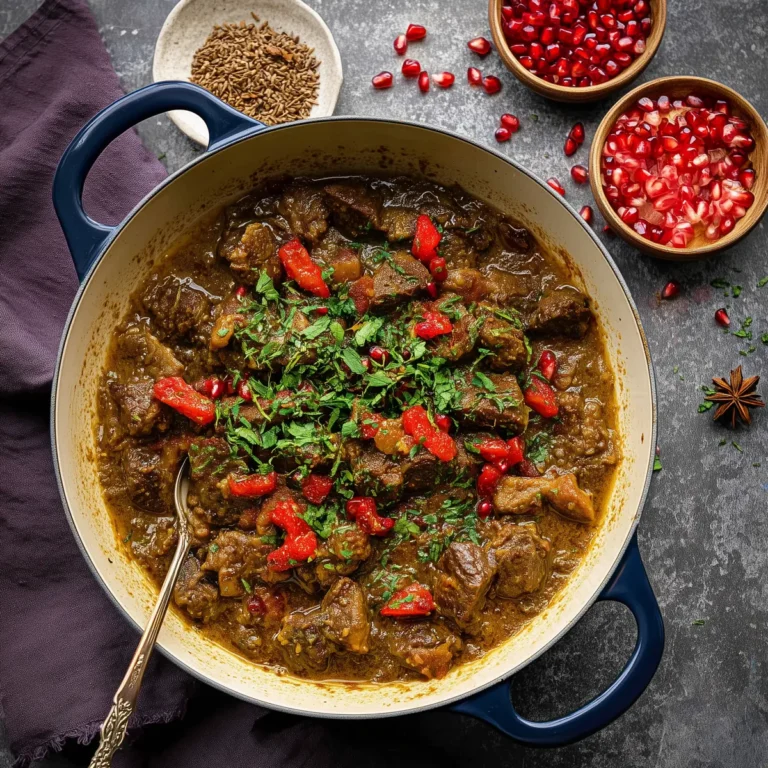
Irish Beef Stew Recipe for Comforting Family Dinners
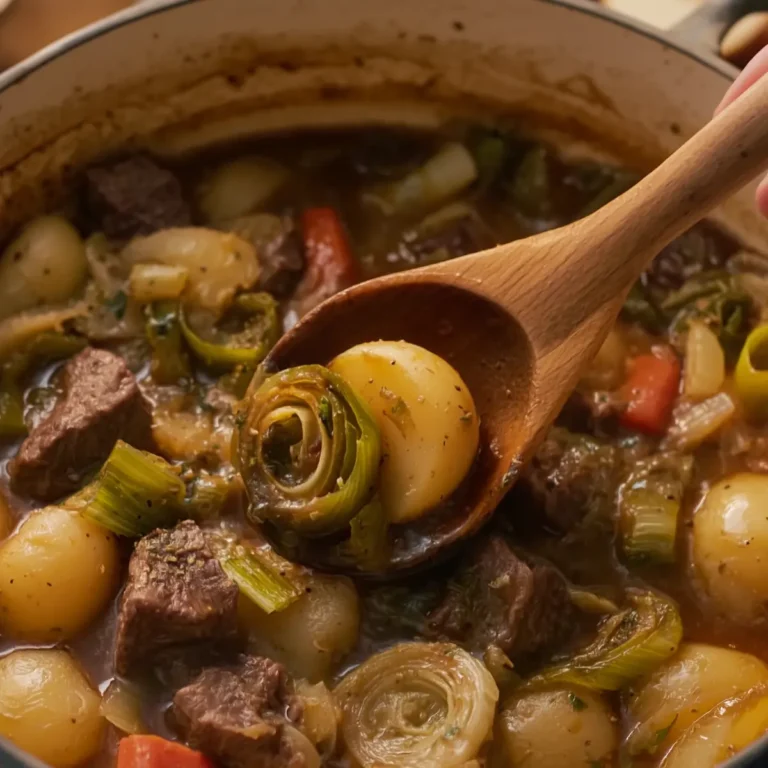
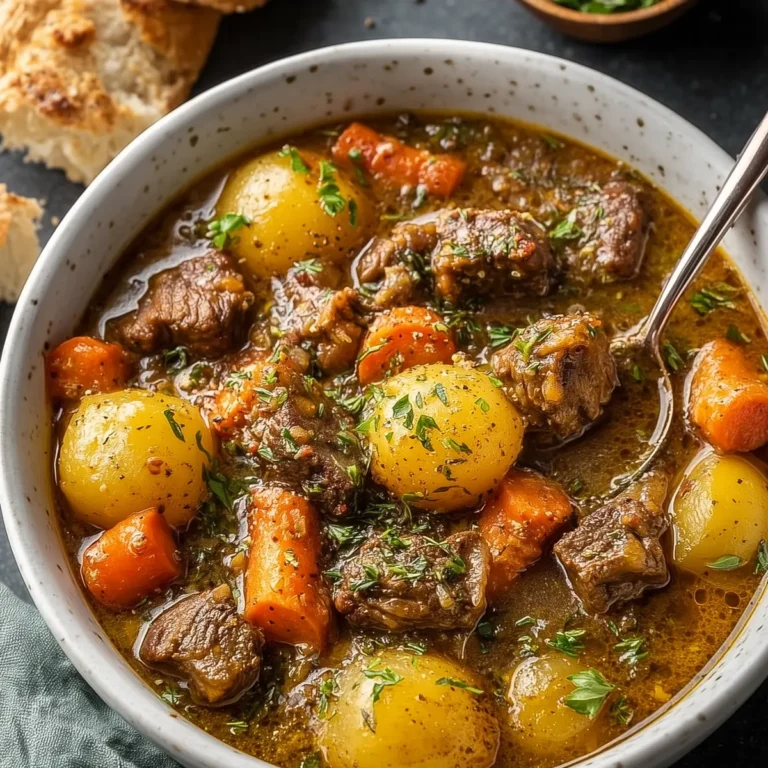
If you’ve ever craved something that feels like a big warm hug in a bowl, Irish Beef Stew is absolutely that dish. Rich, hearty, and deeply savory, every spoonful is packed with chunks of melt-in-your-mouth beef and tender root vegetables. It’s the kind of dinner you want bubbling away on a lazy weekend—or simmering on the stovetop while you curl up with a book as the house slowly fills with a toasty, malty aroma.
There’s nothing fancy or fussy about this stew, but that’s honestly half the point: it’s pure comfort, built on everyday ingredients and the magic that happens when you give them time to work together. Whether it’s St. Patrick’s Day or just a chilly Tuesday night, this Irish beef stew brings everyone to the table.
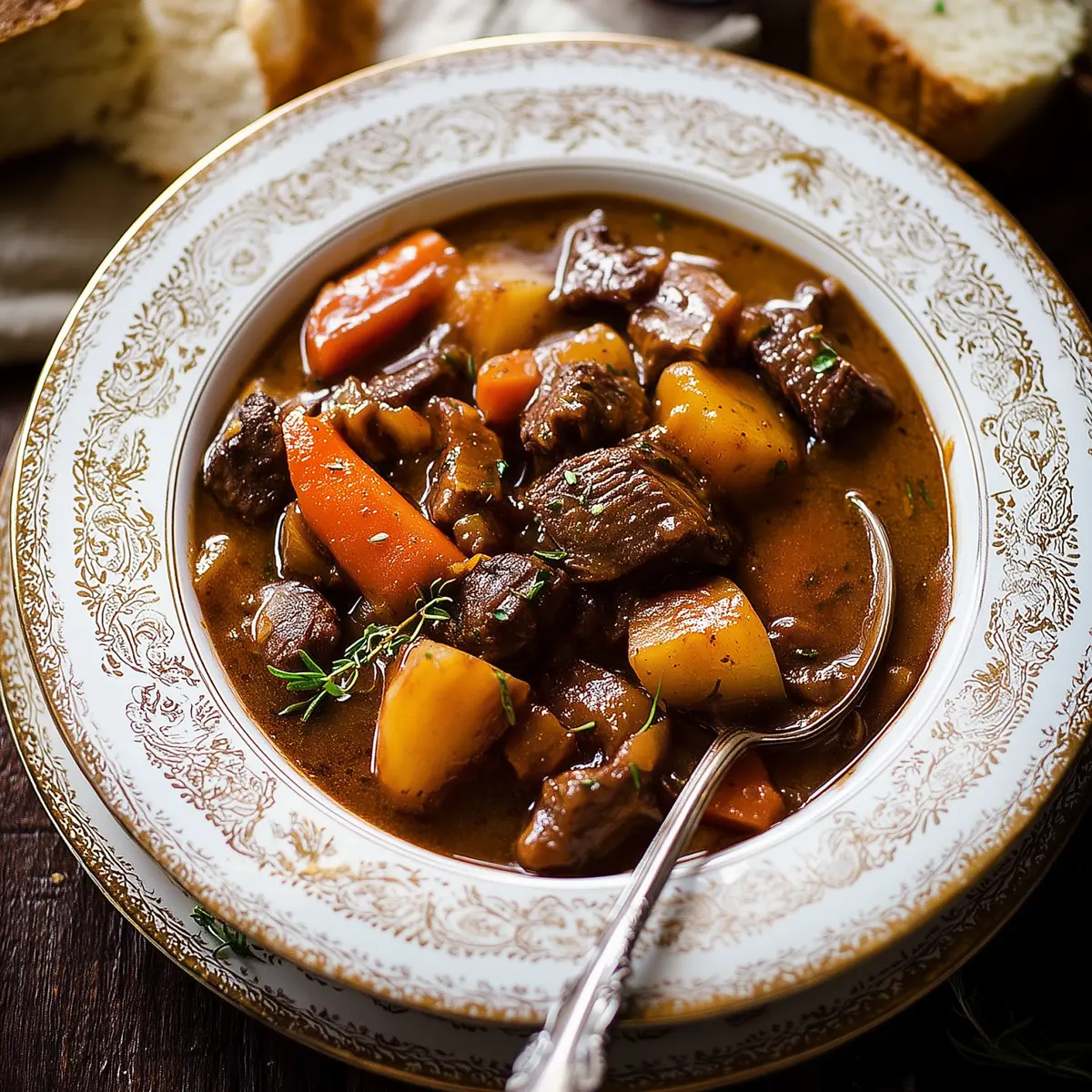
Why This Irish Beef Stew Recipe Feels Like Home
You know those meals that signal to everyone that it’s time to slow down and savor? That’s exactly what you’re getting with Irish beef stew. It’s not just food; it’s an experience—one that’s steeped in tradition but always feels like it’s made just for you.
This stew’s magic comes from its simplicity: a few humble ingredients, cooked low and slow, building deeper flavors than you’d ever expect. It’s budget-friendly, filling, and deeply nourishing. The beef turns wonderfully tender, the vegetables soak up every bit of savory goodness, and the dark, malty backbone (thanks to Irish stout) sets this apart from your everyday stew.
It’s the kind of comfort food that tastes even better the next day (if you manage to have leftovers, that is). Whether you’re gathering family on a winter night or need to impress with minimum fuss, this recipe nails it every single time.
What You’ll Need for Classic Irish Beef Stew
Building real Irish beef stew is about choosing the right basics and letting them work together. Here’s what goes in, and why each piece matters:
- olive oil – gives a subtle fruitiness and ensures everything browns just right; you could use another neutral oil if you prefer.
- salt and pepper – essential for seasoning the beef and building the stew’s full flavor.
- stewing beef – that classic, inexpensive cut breaks down and becomes fork-tender during long cooking.
- onion – forms the backbone of the stew’s aroma and sweetness as it softens and melds with the meat juices.
- thyme – fresh or dried, thyme brings a gentle herbal lift and classic stew flavor.
- garlic – just a bit, but it deepens the flavor in a way you absolutely notice.
- flour – helps thicken the stew so you get that silky body to the sauce.
- water or beef stock – the liquid base; beef stock gives a more robust taste, but water works fine.
- Guinness or other stout – brings a roasty, malty richness that defines Irish stew and balances the beefiness perfectly.
- bay leaf – infuses a subtle background flavor that rounds out every spoonful.
- carrots – add sweetness and heartiness as they absorb all that meaty goodness.
- waxy potatoes (like red potatoes) – hold their shape in the stew and give you those classic, creamy-soft bites.
See the recipe card below for the full list of ingredients and measurements.
Step-by-Step: How to Make Irish Beef Stew
Making Irish beef stew is all about the details, so here’s a step-by-step guide with plenty of cues from the kitchen. You don’t need anything fancy—just a Dutch oven, a little patience, and an appetite for serious comfort food.
- Start by preheating your oven so it’s ready to go. This low, gentle heat is where the magic happens.
- Pour a generous glug of olive oil into your Dutch oven, heating it over medium. Season your beef pieces well with salt and pepper, then sear them in batches to get that gorgeous brown crust. Don’t rush—if you crowd the pan, you’ll end up steaming instead of browning.
- Once all the beef is beautifully golden, push it over to one side and turn the heat down low. Add your chopped onions and sprigs of thyme straight into the oil. Sauté until the onions are tender and have lost their bite, stirring gently and breathing in that earthy aroma. Tip in the minced garlic and cook just until you catch a whiff of it—it’ll only take a moment.
- Sprinkle flour over the beef and onions. Stir to coat every chunk and let it soak up any leftover fat. This step helps make the stew’s body luscious and thick.
- Pour in some water or beef stock first, using your spatula to scrape up any sticky brown bits off the bottom of the pot—they’re flavor gold. Next, add the can of Guinness (or your favorite stout), and plop in a bay leaf. Turn the heat up, bring everything to a lively bubble, then clamp on the lid and slide it into the oven.
- After a while of hands-off cooking, pull the pot out and stir in your peeled, chunky carrots and potatoes. Add a bit more water if things look too thick—the vegetables will soak up plenty of liquid as they cook. Pop the lid back on and return it to the oven so it keeps simmering away, soaking up every last bit of that malty broth.
- As the finish line nears, remove the lid for the last few minutes of cooking. This helps the sauce reduce and hugs the beef and veg in that glossy finish that makes you want to dunk in crusty bread immediately.
- Ladle your Irish beef stew into big bowls. Toss over some fresh parsley if you’ve got it, and don’t forget the bread for mopping up every last bit of sauce.
Smart Tips for Truly Great Irish Beef Stew
Let’s talk about what brings your Irish beef stew from good to can’t-stop-eating. First off: patience is key. Low and slow really is the secret—rush things, and the beef won’t get as tender or flavorful.
Be generous (but not reckless) when browning the beef: work in batches so you get real color and not a pot of gray meat. If your stew is thickening up too much before it’s finished, loosen it with a bit of extra stock or water—potatoes can really soak up liquid as they cook. If it’s too thin by the end, just pop the lid off and give it a bit longer in the oven to reduce and concentrate those flavors.
Taste before you serve, always. Sometimes a bit of extra salt is needed at the end, and maybe a twist of pepper or another sprinkle of fresh thyme.
Here’s a bonus: this stew is even better the next day. It thickens nicely in the fridge and the flavors deepen, so leftovers are a treat (if you have any to save). To reheat, use a gentle stovetop simmer with a splash of water to loosen it up.
And for mess or time management—do your chopping ahead, or even brown the beef a day before, to make dinner a breeze on busy days.
Serving Ideas and Tasty Twists for Irish Beef Stew
Irish beef stew is one of those dishes you can play with, even as you stick to the comforting basics. Feel free to switch up the veg if you’re running low—parsnips or turnips nestle in beautifully alongside the carrots and potatoes.
When it comes to serving, nothing beats a thick slice of crusty bread for dunking into the stew. Or ladle the stew right over creamy mashed potatoes to double down on coziness. If you want some green to balance out the richness, serve with a peppery rocket salad or sautéed green beans dressed simply.
Craving something a touch fancier? Stir in a splash of red wine with the stout, or add a handful of peas in the last few minutes for a little pop of color and sweetness.
To make it ahead, prep the entire stew a day in advance and reheat gently over a low flame. It freezes beautifully too—just cool it right down before packing into containers. Defrost overnight in the fridge for a nearly effortless meal that tastes like Sunday dinner on a weeknight.
Want to make this stew your own? Swap lamb for beef for an Irish variation, or try turkey in the spring for a lighter, but still comforting, take. It’s a forgiving canvas—season, taste, adjust, and enjoy.
FAQs about Irish Beef Stew
Can I freeze Irish beef stew?
Yes—you can absolutely freeze Irish beef stew. Cool it down completely before portioning into freezer containers. When you’re ready to enjoy, defrost it overnight in the fridge and reheat slowly on the stove, adding a splash of water or stock if it’s thickened up too much.
What’s the best way to reheat leftover Irish beef stew?
Reheat leftover stew gently on the stove over low heat, stirring now and then so it doesn’t stick. Add a bit of water or stock to loosen it, especially if it’s been chilled and thickened. The flavors actually get deeper after a night in the fridge.
Are there good substitutions for Guinness in Irish beef stew?
Definitely. Any good-quality stout will do, so use what you enjoy or have on hand. If you’d rather skip the beer entirely, try extra beef stock with a splash of Worcestershire sauce for depth—just know you’ll lose that malty character the stout brings.
Can I make this stew in a slow cooker instead of the oven?
You sure can! Follow the same browning steps on the stove, then transfer everything to your slow cooker and cook until the beef is super tender and the potatoes are soft. It’s a fantastic way to have Irish beef stew waiting for you after a long day.
Whether it’s a holiday or just a weeknight that calls for a little extra warmth, you can always count on Irish beef stew. Its deep, savory sauce, melt-away beef, and tender vegetables create a kind of comfort you just can’t fake. Serve it with bread, share it with friends, and let every bowlful remind you just how cozy and satisfying real homemade food can be.
More Delicious Recipes
- Irish Lamb Stew: If you enjoy hearty stews, this lamb version offers a similar comforting vibe with tender meat and rich flavors.
- Guinness Irish Chili: Combining the depth of Guinness with chili spices, this dish provides a unique twist on traditional Irish flavors.
- One Pot Irish Stew: A simplified, one-pot variant perfect for those craving the same comforting essence without much hassle.

Irish Beef Stew
Ingredients
Equipment
Method
- Preheat the oven to 160℃/300℉
- Heat the olive oil in a large Dutch oven/cast iron casserole pot and brown the beef chunks seasoned with salt and pepper over medium heat until golden. Do this in batches to avoid overcrowding.
- Move the browned beef to one side of the pot and lower the heat, then add chopped onions and thyme, cook over low heat for 8-10 minutes until tender. Then add minced garlic and cook briefly for 30 seconds.
- Add the flour and stir the beef, so it's coated, then add the water or beef stock if using and scrape the bottom of the pot with a spatula to release the brown bits at the bottom. Add the Guinness, one or two bay leaves, turn the heat up and bring to a boil. Then cover with a lid and put in the preheated oven for 1 hour.
- After one hour take out of the oven and add carrots and potatoes cut into large chunks to the pot, stir and add 250ml/1 cup of water, cover with a lid and continue cooking the stew in the oven for 1.5 hours. Take the lid off for the last 10 minutes of cooking.
- Serve with bread and sprinkled with some fresh parsley for more flavour.