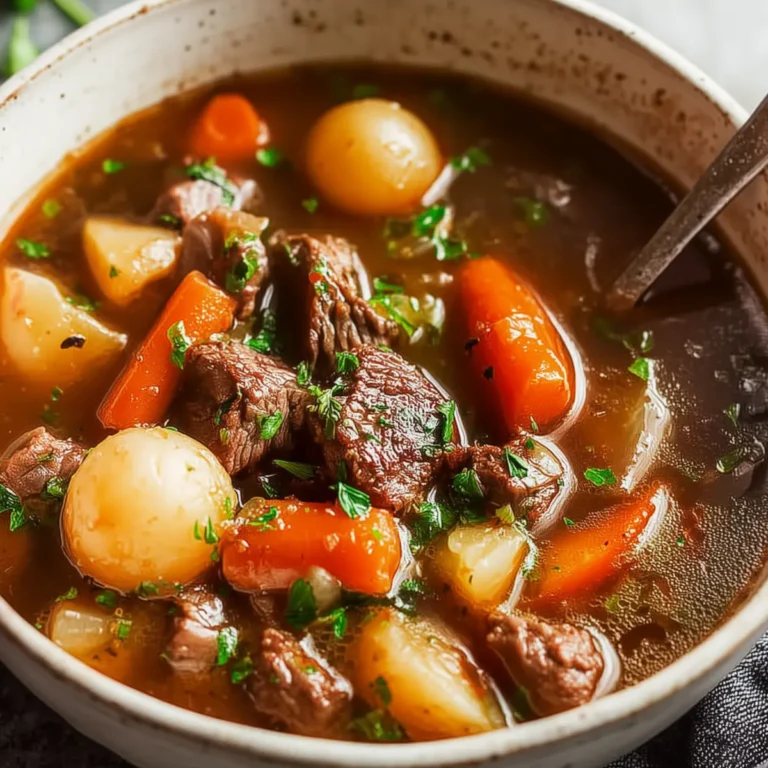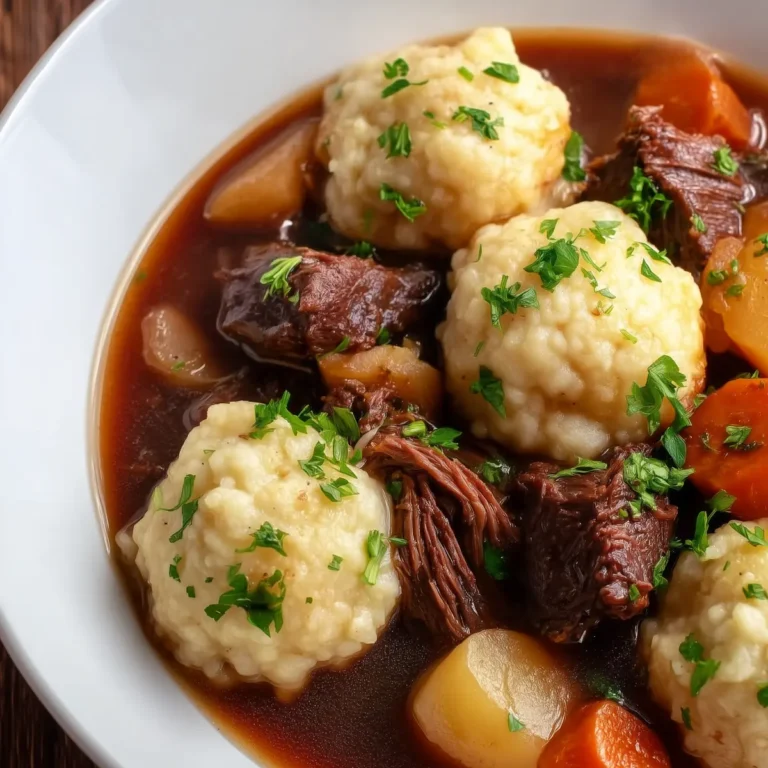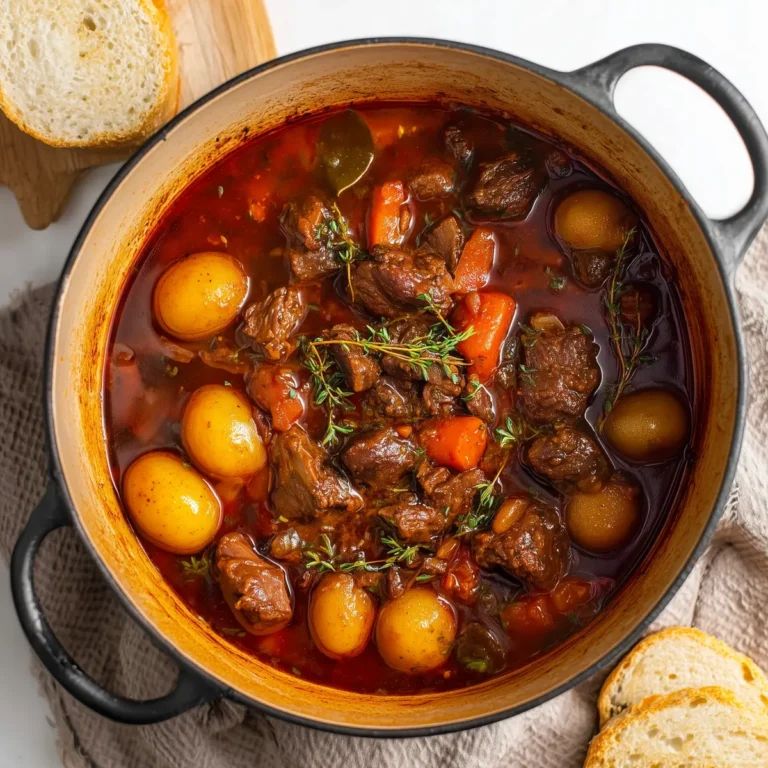
Hearty Irish Pork Stew with Stout and Caraway Seeds Recipe
There’s just something about slow-simmered stews that makes any day—rainy, chilly, or just plain ordinary—feel a little bit celebratory. Hearty Irish Pork Stew with Stout and Caraway Seeds is pure comfort in a pot: the kitchen floods with the scent of toasted caraway and malty beer, while tender pork soaks up all the warmth you could hope for. I always end up making this stew whenever a thick gray sky rolls in or I have friends coming over who need a proper meal that’ll stick with them. The balance is key here: it’s robust, sure, but there’s still a delicateness from the gently sweet root vegetables and that spike of herbs that makes every bite feel thoughtful.
If you’ve ever hesitated before a recipe with a whole bottle of stout, trust me, this is where it works magic. The beer deepens the sauce—think of it as the difference between a plain broth and something with real character—while caraway seeds slip in that toasty, slightly peppery hum you taste more than you notice. Nothing about this is fussy and, if you like, you can twist the veggies, swap the broth, or even play with the cut of pork. This stew invites mellow afternoons and leftover dreams.
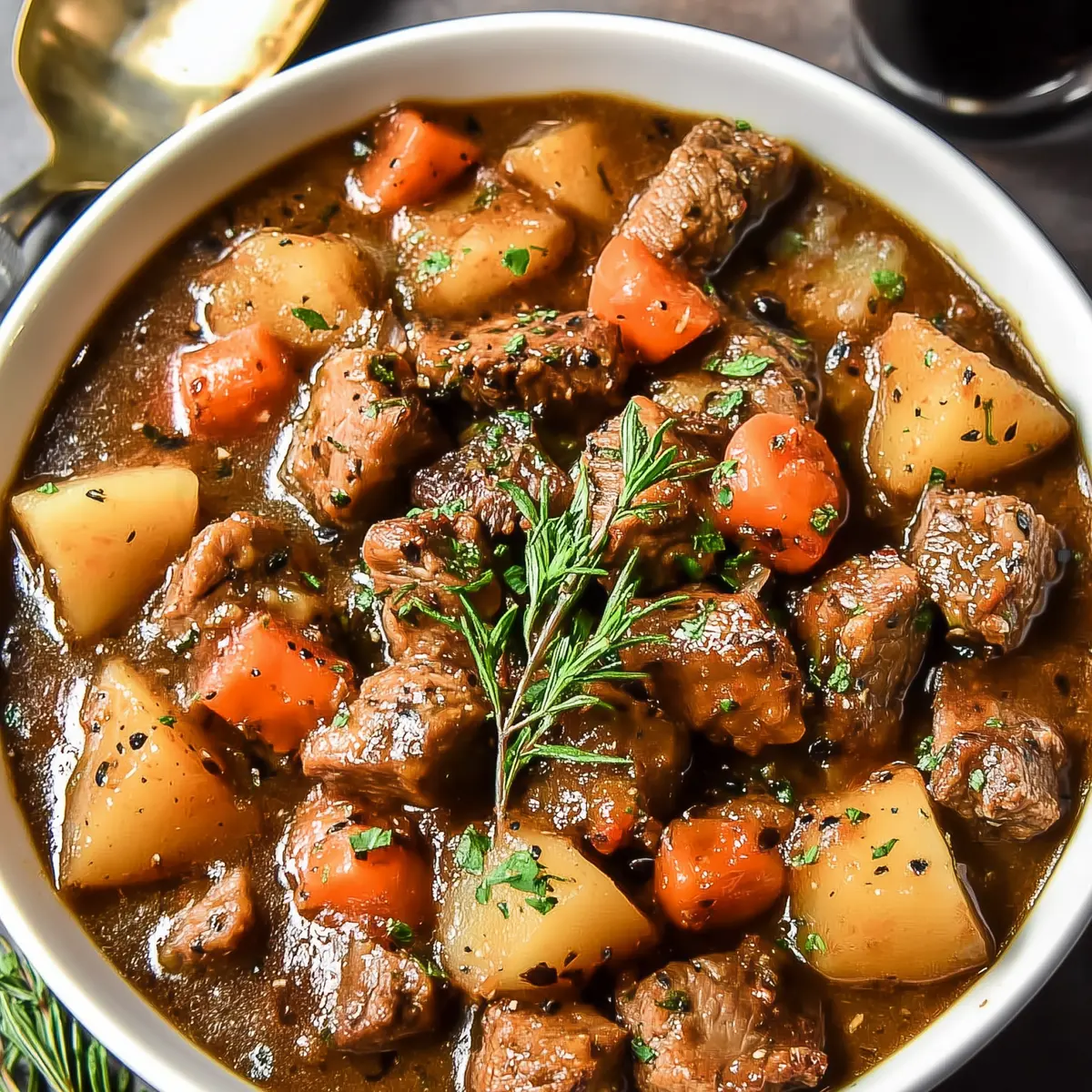
When Hearty Irish Pork Stew Earns Its Place at the Center
Sometimes, you want a dish that takes command of the table just by being itself—no fancy garnish, no complicated sides. This Hearty Irish Pork Stew with Stout and Caraway Seeds does exactly that, a showstopper by pure heartiness. Passing a pot of this bubbling stew around feels like sharing a story: the kind that’s layered, a little old-fashioned, generous. Whether it’s a family meal, a winter supper with friends, or your own “treat yourself” Sunday, this stew shows up big. What I love is how the aromas collect—one moment you’re smelling toasted garlic and the next, those earthy caraway notes drift in. No matter how distracted or busy the world gets, everyone seems to slow down for a ladle of this.
The Ingredients Behind a Proper Stout and Caraway Stew
- Pork shoulder – the ideal cut for stew; it’s marbled enough to stay juicy over a slow simmer and breaks down into fork-tender bites.
- Vegetable oil – helps the pork sear evenly and gives root veggies a glossy start in the pot.
- Onion – forms the sweet, aromatic backbone for every spoonful; you could try shallots in a pinch.
- Garlic – brings a warm, robust flavor that cozies up to the other aromatics.
- Carrots – their natural sweetness rounds out the beer and savory pork, and they hold their texture beautifully.
- Celery stalks – those grassy, slightly herbaceous notes brighten all the deep flavors.
- Beef or chicken broth – feel free to use either, whatever you have on hand; the broth gives the stew body.
- Stout beer – the heart of the broth, lending depth, a faint bitterness, and a toasty malt backbone; you can try a dark ale if stout isn’t available.
- Caraway seeds – the secret ingredient; they add warm, nutty and gently spicy flavor that sets this stew apart.
- Dried thyme – tucks an earthy, woodsy note into the background.
- Salt and black pepper – you’ll adjust these to balance the richness and keep things lively.
- Fresh parsley – a last-minute sprinkle for color and a hint of freshness against the rich base.
See the recipe card below for the full list of ingredients and measurements.
Building Depth and Heartiness One Step at a Time
This stew isn’t about rushing, but the steps are straightforward—more layering than fussing. Here’s how I like to bring it all together:
- Start by warming some oil in your heaviest pot. You want a bit of smoke curling up, not an inferno—just the right sizzle for browning pork.
- Drop in those pork cubes in batches, hearing them hiss as they touch down. Let every side pick up a rich, caramel color before scooping them out to rest. This browning is where you build flavor.
- In go the onions, turning glossy almost instantly, followed by garlic. Let them soften, stirring up any flavorful bits left from the pork. Then tumble in carrots and celery, and watch the color brighten in the pot.
- Next, sprinkle in caraway seeds and dried thyme. Let them toast, just a minute, so their scent blooms and fills the kitchen. It’s the moment the whole stew’s identity snaps into place.
- Return the pork (and all its juices) to the pot. Pour in the stout, letting its malty scent drift up, and finish with broth. Gently loosen every last bit stuck to the base—there’s so much flavor in those crusty bits.
- Bring everything up to a boil, then drop the heat way down and cover. Now the real magic happens—slow simmering for hours, until the pork yields under a spoon and the vegetables melt into the sauce.
- Before serving, taste for salt and pepper. Right at the end, a scattering of fresh parsley brings everything back to life, both in color and brightness.
Layers of Flavor in Every Spoonful
Every time I dip a spoon into this stew, I’m surprised anew by the variety packed into each mouthful. There’s a subtle bitterness from the stout, but it isn’t harsh—it comes through as complexity, an echo of toasted grain. The pork is almost custard-soft, with each bite giving way instantly but still holding onto the sweet savor of garlic and onion. Carrots and celery aren’t lost in the shuffle, either. They keep their bite, offering a small pop amid the rich broth. Toasted caraway hums quietly in the aftertaste—warm, just a little nutty, and honestly, addicting. And when you hit a bit of parsley, everything lifts for a second; it’s a stew you want to chase all the way to the bottom of the bowl.
Bringing Out the Best: Tips and Variations
Getting this stew just right isn’t tricky, but there are a few tricks I keep up my sleeve for the best flavor and texture. If your pork cubes look a touch lean, don’t shy away from a little extra searing time—they’ll repay you with even deeper taste. When it comes to veggies, feel free to toss in parsnips or swap the carrots for turnips if that’s what’s knocking around in your crisper drawer. I sometimes stir in a spoonful of tomato paste before adding the stout for a tinge of sweet acidity.
For the beer, a classic Irish stout is my favorite, but any rich, dark ale can work (avoid anything aggressively hopped, though—it gets bitter). If your stew gets too thick for your taste, a splash of extra broth will loosen things the next day as leftovers. Speaking of leftovers, this dish only gets better after a night’s rest in the fridge, and it reheats perfectly on the stove—just go low and slow. You can even freeze portions, though the vegetables may soften a bit upon thawing; the taste holds strong.
Serving Up Stew for the Moment
Nothing goes better with Hearty Irish Pork Stew with Stout and Caraway Seeds than a wedge of warm sourdough or thick slices of rye bread, perfect for chasing every last drop of gravy. For something extra, I’ll pair it with buttered cabbage or a sharp green salad to cut through the richness. If you’re entertaining, ladle it into shallow bowls and finish with a tumble of fresh parsley—it instantly looks more festive. For make-ahead meals, portion it out (stew only improves overnight) and just garnish before serving. A cold, creamy pint alongside doesn’t hurt, either. This stew feels right for cozy nights, lively gatherings, and the odd solo kitchen dance while it bubbles away.
FAQs about Hearty Irish Pork Stew with Stout and Caraway Seeds
Can I store leftovers of this Hearty Irish Pork Stew with Stout and Caraway Seeds?
Absolutely. Once cooled, store leftovers in an airtight container in the fridge. The flavors actually deepen by the next day, making it an even heartier and more robust meal when reheated.
What are the best substitutions for stout beer if I don’t have any on hand?
A dark ale or porter will bring similar depth to the stew, though the flavor might be slightly softer. Avoid lighter beers or anything with strong hops, since they can turn the stew bitter.
Will this stew freeze well, and are there any tricks for thawing?
Yes, this Hearty Irish Pork Stew with Stout and Caraway Seeds freezes very well. Portion it into containers, let it cool completely, then freeze. When you’re ready to eat, defrost in the refrigerator overnight and gently reheat on the stove to keep the pork tender.
Can I make this stew ahead for a gathering?
Definitely! In fact, the flavors get deeper after sitting for a day or two. Prepare the stew as directed, then let it cool, refrigerate, and gently reheat when you’re ready to serve. It’s a perfect make-ahead dish for company or busy weeknights.
A pot of Hearty Irish Pork Stew with Stout and Caraway Seeds transforms the ordinary into something nurturing and deeply satisfying. It’s the marriage of slow-cooked pork, malty stout, and toasty caraway that stays with you—on your palate and in your kitchen’s memory. Every time I make this, I’m reminded how much comfort can come from a handful of humble ingredients and a little patience by the stove. Serve it up with bread, friends, and plenty of good cheer, and let every spoonful bring you back to the heart of home.
More Relevant Recipes
- Hearty Beef Stew: This stew also features slow-cooked meat and hearty vegetables, making it a perfect choice for cozy, chilly days.
- Chicken Cacciatore: A delicious Italian dish that combines tender chicken with a robust sauce, similar in comforting flavors to the pork stew.
- Classic Lentil Soup: This plant-based option offers a warm and hearty meal with rich flavors, making it a great alternative to meat-based stews.
Hearty Irish Pork Stew with Stout and Caraway Seeds
Ingredients
Equipment
Method
- Heat the vegetable oil in a large pot over medium-high heat.
- Sear the cubed pork shoulder in batches until browned on all sides, about 5-7 minutes per batch.
- Remove the pork and set aside, then add the chopped onions, garlic, carrots, and celery to the pot.
- Stir in the caraway seeds and thyme, letting them toast for a minute to release their essential oils.
- Return the browned pork to the pot along with the stout beer and broth, then stir to combine.
- Bring to a boil, then reduce heat to low and cover the pot.
- Simmer for about 2 hours, or until the pork is tender and the flavors are well combined, stirring occasionally.
- Season with salt and pepper to taste just before serving, and garnish with fresh parsley.