Guinness Beef Stew: A Heartwarming Comfort Food
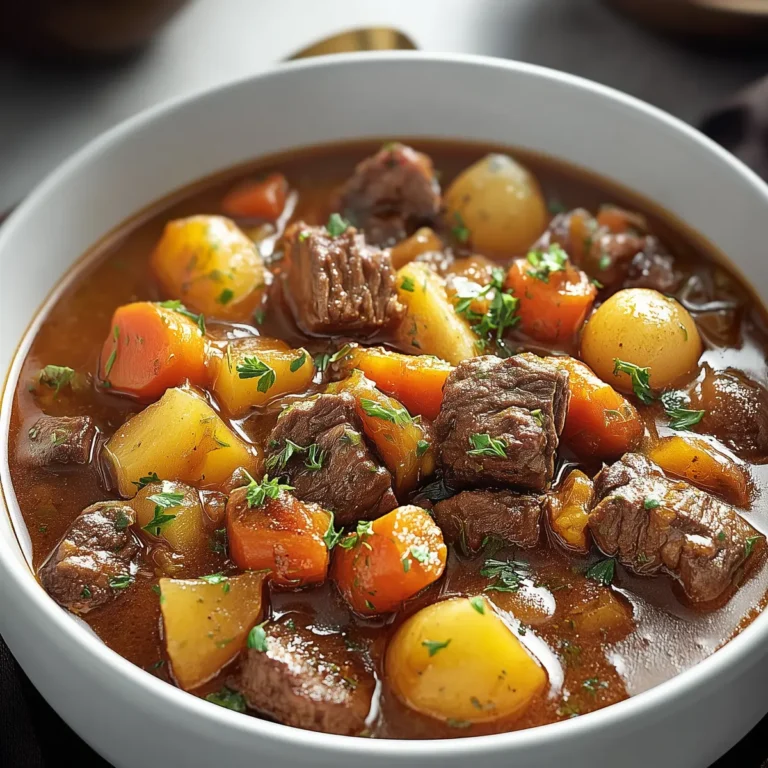
There’s something about Guinness Beef Stew that just wraps you up in a hug. Maybe it’s the way the aroma fills the house the second that rich stout joins the beef and veggies in the pot. Or maybe it’s the anticipation, knowing what awaits: chunks of melt-in-your-mouth beef, carrots and potatoes so soft you almost don’t need a spoon, and a gravy that’s deep, dark, and impossibly savory. This is no ordinary weeknight stew—this is celebration food, the kind you make for a slow Sunday, a blustery evening, or those days when you just want to sink into a bowl of comfort. It’s the stew I make when I’m craving a little magic, or when I want to see my friends wipe their bowls clean with hunks of crusty bread.
When Guinness Beef Stew Becomes an Event
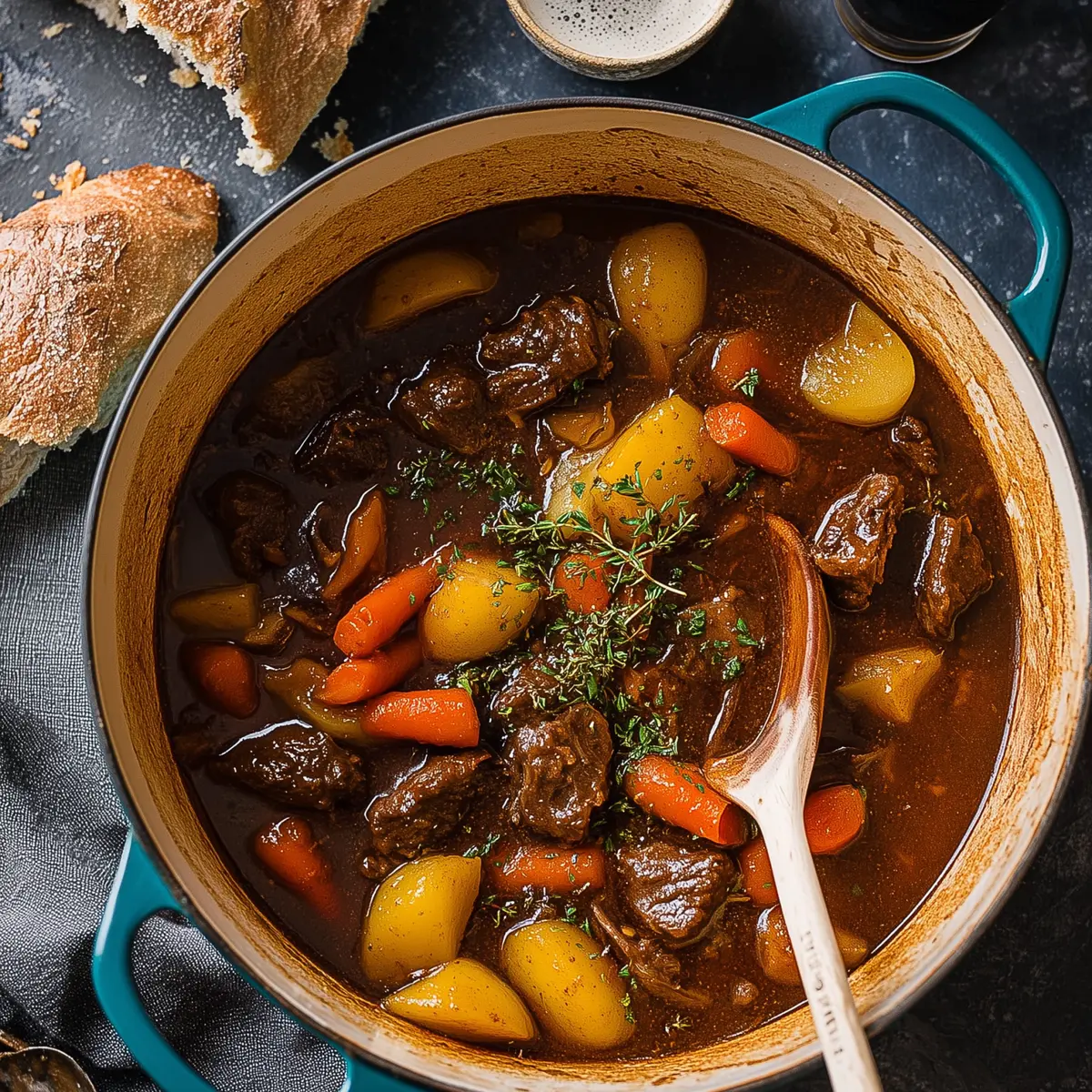
There are dinners, and then there are evenings that linger with you—when everyone’s crowded around the table, cheeks flushed, laughing over stories while steam curls over their bowls. That feeling is exactly what Guinness Beef Stew brings to the table. There’s something old-world and timeless about it. Maybe it’s cooking with Guinness itself, that legendary Irish stout, or the way this stew slowly transforms simple ingredients into something so much more.
It’s my go-to recipe on cold nights, but honestly? I’ve served it for birthdays, last-minute gatherings, and plenty of March celebrations. Friends rave, “this is the kind of meal you remember.” Maybe it’s that impossibly silky gravy, or the deep caramelized notes from the long simmer that fills the air and clings to your sweater. Either way, this stew always feels special—even when you throw it together on a random Tuesday.
The Ingredients That Give This Stew Its Deep Flavor
A hearty Guinness Beef Stew leans on classic, honest ingredients: nothing fancy, but each one works hard for that signature taste.
- Bacon – starts everything off with a smoky, salty backbone that you just can’t fake. Adds richness from the start.
- Braise-worthy beef (boneless chuck roast) – choose a well-marbled cut for those meltingly tender bites after a long simmer.
- Onions – when cooked down, they give sweetness and a satisfying depth to the gravy.
- Garlic – just enough to add that subtle hum of flavor you notice in the background of every spoonful.
- Tomato paste – brings body and a gentle acidity that draws out the beefy notes in the stew.
- Flour – helps thicken the broth into a glossy, spoon-coating gravy that holds every flavor tight.
- Guinness beer – the heart and soul here: its malty, roasty notes make the stew uniquely rich.
- Worcestershire sauce – just enough to round out the flavors with that tiny splash of umami.
- Brown sugar – subtle, but it balances the stout’s bitterness and gives a little warmth.
- Beef broth – the base for all that magic simmering; use a good quality one for best results.
- Thyme sprigs – earthy and fragrant, they infuse the whole stew with herbal goodness, then discreetly vanish at the end.
- Carrots – tender, sweet, and they soak up all the flavors until they’re almost impossible to distinguish from the gravy itself.
- Yukon Gold potatoes – waxy and buttery, these hold up beautifully and are perfect for soaking up sauce.
- Chopped parsley – a handful right at the end wakes up the whole stew with something fresh and green.
- Vegetable oil – a simple, neutral oil to get your pot going without distracting from the star flavors.
- Salt and freshly ground black pepper – never skip these; consider them the invisible force that lifts every other taste in the pot.
See the recipe card below for the full list of ingredients and measurements.
Building Layers of Flavor for Guinness Beef Stew
Let’s be real: this isn’t the kind of stew you rush through. Each step is a little love letter to the finished bowl. Here’s exactly how I like to bring it together:
Start by rendering the bacon in your biggest, heaviest pot or Dutch oven—medium-high heat does the trick. Wait for those smoky bits to crisp and the fat to pool at the bottom. That’s your first flavor jackpot. Scoop the bacon out and save it for later.
Next, take your beef (plenty of salt and pepper, really go for it), and brown it in small batches—don’t crowd the pot or you’ll lose that gorgeous sear. You want every side to develop a deep, golden crust; that’s where all the richness hides. Set the beef aside with the bacon, resisting the urge to nibble too much.
Now toss in the onions, letting them soften and caramelize a bit in the remaining fat. They should go from sharp and bold to sweet, just a touch browned. Add your garlic right as the onions are finishing—just long enough to mellow, not burn.
Here’s where you build the base: stir through the tomato paste and flour, coating everything. Watch for the paste to darken; it should start to smell toasty, almost jammy. This is the moment for the Guinness. Pour it in and listen to that satisfying sizzle as you scrape up all the caramelized bits from the bottom. It’ll look a little messy, but trust the process.
Once that settles, work in the beef broth, brown sugar, Worcestershire, and a hefty pinch of salt and pepper. Return the beef and bacon to the pot. Drop in your thyme sprigs. Turn up the heat and bring the whole pot to a gentle boil, savoring the transformation.
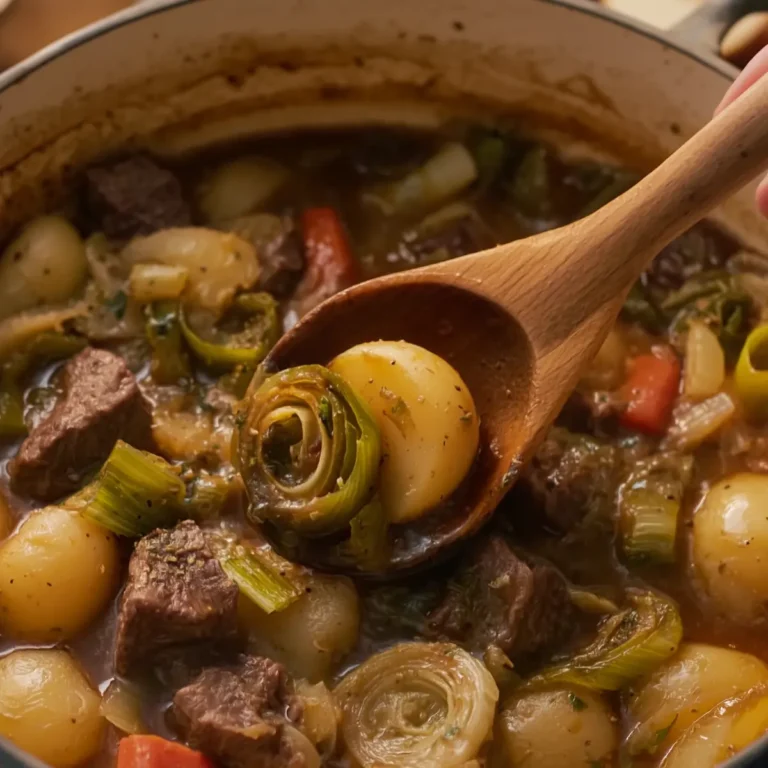
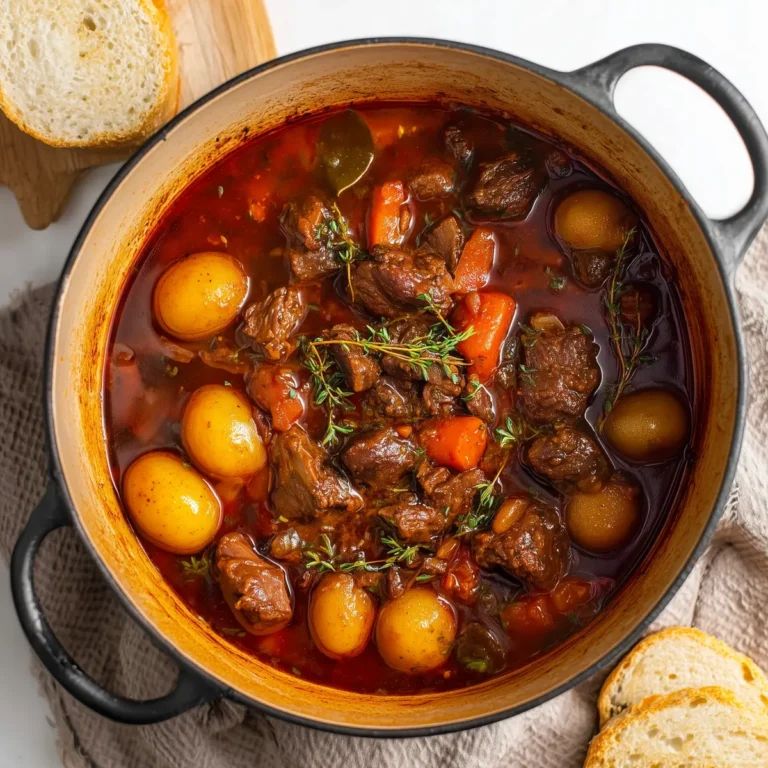
Now, patience: reduce the heat, slide on the lid, and let the stew simmer at a low bubble. Give it about an hour; that beef needs time to start breaking down. After an hour, add your carrots and potatoes, nestling them among the beef. Lid back on, another hour, and soon your kitchen will smell like an Irish pub on a rainy day.
If the stew’s looking a little too loose near the end, let it bubble uncovered and reduce. You can always whisk in a quick flour slurry to help things along. Once the stew is thick and lush, fish out the thyme. Taste for seasoning and adjust as needed—don’t be shy with the salt. Scatter in the parsley right before serving.
What Every Bite of Stew Really Feels Like
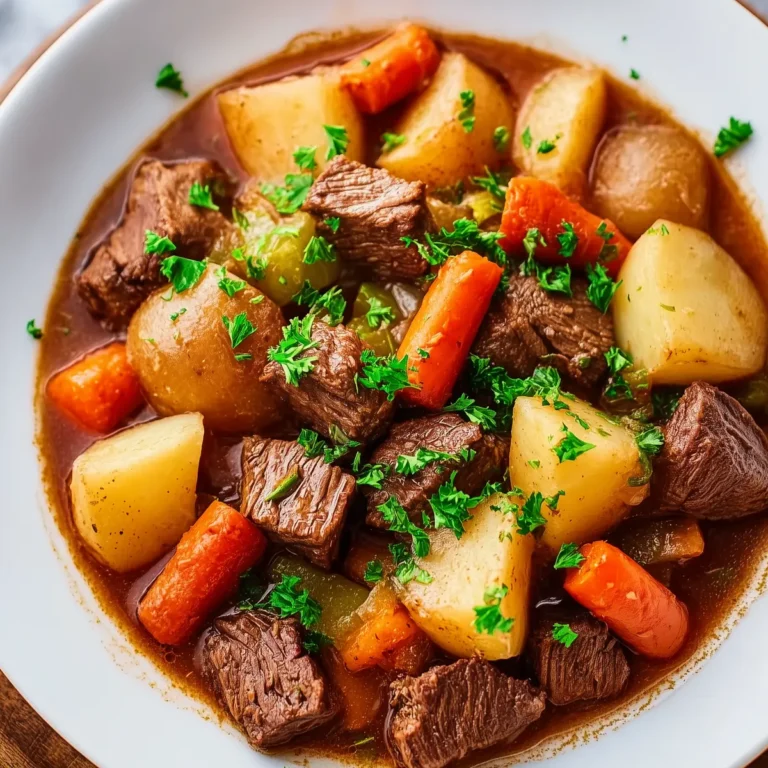
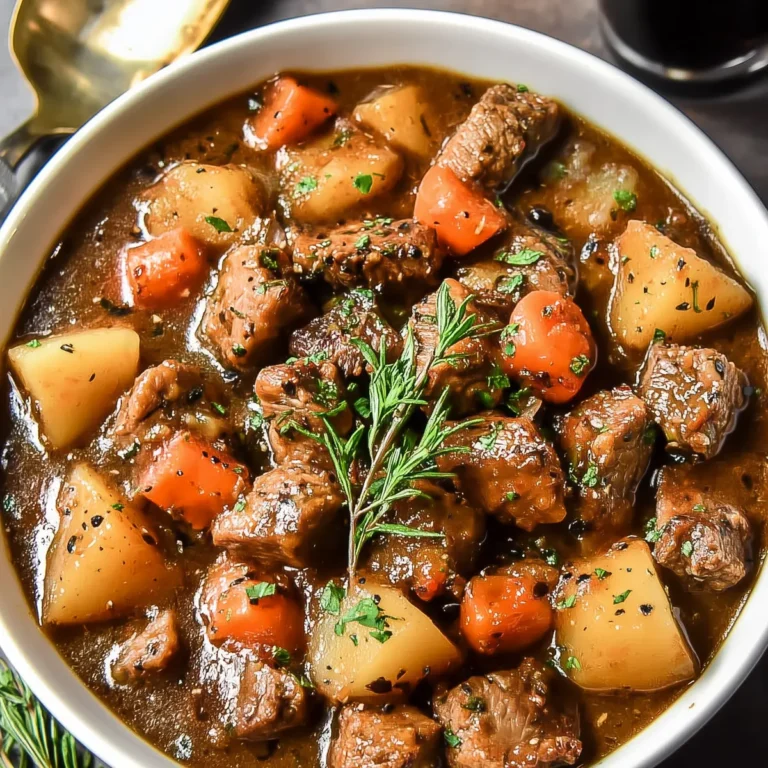
The thing that always hits me first when I taste this Guinness Beef Stew? The gravy. It’s not just stock or sauce—it’s glossy, dark, and unbelievably rich. It clings to everything, even coats the inside of your bowl in this velvety layer of flavor. Underneath? Fork-tender chunks of beef that yield instantly, their edges stained from the beer and broth. The carrots almost disappear they’re so soft, and the potatoes give a little pop before melting into that gravy.
And the taste? The Guinness brings its malty, almost chocolaty bitterness, but it’s fully rounded out by the sweet onions, the tiniest hint of brown sugar, and the fatty warmth from the bacon. Every mouthful is different: a bit of herb from the parsley here, a crispy edge from the bacon there, maybe a chunk of potato that’s soaked up the stew like a sponge. Eat it slowly, let it warm you up from the inside out, and don’t be surprised if you find yourself scraping the bowl for one last drop.
The Little Details That Make This Stew Sing
If you’re set on steering your stew into “restaurant good” territory, mind these little tricks:
Browning the beef isn’t optional—don’t skip or rush it, because this is where you win big on flavor. Always work in batches; the color you build now pays off later.
Caramelize your onions until they go a bit golden. That bit of browning transforms the stew, adding natural sweetness and depth.
When adding the Guinness, scrape up every last bit from the bottom of the pot. Those browned spots are pure flavor gold.
If the stew isn’t thick enough at the end for your taste, don’t just keep boiling it (you’ll risk overcooking the beef and veggies). Try a flour-water slurry for a last-minute fix. Or, mash a few chunks of potato directly into the pot to thicken naturally.
Don’t forget to taste and season before serving, especially after the long simmer. Salt can fade, so a final pinch wakes everything right up.
For variations: swap out some Guinness for another stout if that’s what you’ve got, but steer clear of sweet or heavily flavored beers. If you’re short on bacon, use pancetta or even a touch of smoked paprika for that baseline flavor. No Yukon Gold potatoes? Any waxy, firm potato will work (just not the starchy kind that falls apart).
Stew keeps well—it’s even better the next day. Let it cool completely if you’re planning to refrigerate or freeze, and reheat gently to keep the beef tender.
Serving Guinness Beef Stew for the Perfect Gathering
If you want to make an occasion out of it, serve this stew in deep, generous bowls with a scatter of fresh parsley and, if you’re feeling fancy, a few extra crispy bacon bits on top. Always, always have fresh, crusty bread on hand—you need something sturdy to mop up that gravy. Soda bread, sourdough, even a rustic rye fits the bill.
This stew is at home on St. Patrick’s Day, for sure, but don’t save it just for March. It works for big family dinners, cozy nights in, or days you want to fill the house with the smell of something simmering. Pair it with a simple green salad for color, or steamed cabbage if you’re feeling traditional.
And if you’re keen to go next-level? Spoon it over a mound of mashed potatoes (smoked gouda mash is my secret weapon for this). Leftovers are magical, too. Sometimes I’ll toss morning eggs in a skillet with bits of the stew—call it brunch and call it perfect.
FAQs about Guinness Beef Stew
Can Guinness Beef Stew be made ahead of time?
Absolutely. In fact, Guinness Beef Stew tastes even better after a night in the fridge, as the flavors have more time to meld. Simply reheat gently on the stovetop or in the oven, adding a splash of broth if it seems too thick.
What’s the best way to store and freeze leftover Guinness Beef Stew?
Let the stew cool completely before storing it in airtight containers in the fridge for up to three days. For freezing, portion it into smaller freezer-safe containers—leave some space for expansion. It’ll keep in the freezer for up to three months. Thaw overnight in the fridge before reheating slowly.
Can I substitute the Guinness beer with something else?
You can substitute another dry stout or dark ale for a similar rich, malty effect. If you’re avoiding alcohol, try using more beef broth plus a dash of balsamic vinegar or Worcestershire for depth—just keep in mind, the signature flavor comes from the stout, so the final stew will taste different.
How do I thicken my Guinness Beef Stew if the gravy seems too thin?
If your stew hasn’t thickened up after simmering, bring it to a gentle boil uncovered to let some liquid reduce. Alternatively, stir together a bit of flour or cornstarch with cold water to make a slurry and add it to the boiling stew, stirring until it thickens to your liking.
There’s a reason I come back to Guinness Beef Stew again and again—it’s nostalgic, warming, and somehow even better when shared. The long, slow simmer brings out a richness you just can’t rush, and the aroma alone makes any house feel instantly more inviting. When you want a meal that’s more than the sum of its parts, pull out your biggest pot and start chopping. Trust me, this is the kind of dinner that turns a regular night into something memorable.
More Delicious Recipes
- Chicken Stew: This comforting chicken stew offers a similar heartwarming vibe and slow-cooked richness that pairs wonderfully with crusty bread.
- Lamb Stew: With melt-in-your-mouth lamb and deep flavors, this stew is perfect for cozy gatherings and shares the same slow-cooking technique.
- Hearty Vegetable Stew: A great vegetarian option that delivers comfort and warmth with wholesome ingredients and a robust flavor, making it perfect for a chilly evening.
Guinness Beef Stew
Ingredients
Equipment
Method
- In a large Dutch Oven or pot, over medium-high heat, heat the oil. Add the bacon and cook until cooked through, about 4-5 minutes. Remove with a slotted spoon and reserve.
- Season the beef generously with salt and pepper. Working in batches so not to overcrowd the pot, brown the beef pieces on all sides, about 1-2 min per side. Remove and reserve with the bacon.
- Turn the heat down to medium. If necessary, add a little more oil. Stir in the onions and sauté until beginning to brown, about 5 minutes. Add the garlic and cook until fragrant.
- Stir in the flour and tomato paste, mixing until well combined. Cook for a minute or two, until the paste turns a dark red color. Then, pour in the beer, using a wooden spoon to scrape all the browned bits from the bottom of the pot.
- Stir in the beef broth, brown sugar, Worcestershire sauce, and a pinch of salt and pepper. Add the beef and bacon back into the pot, plus the thyme sprigs. Bring to a boil.
- Once boiling, cover and lower the heat to a simmer. Cook for 1 hour.
- Add the carrots and potatoes. Cover and continue cooking until the beef is falling-apart tender and the veggies are cooked, about 1 more hour.
- If, by this point, the stew is not thickened to the desired consistency, raise the heat to medium-high and bring to a boil. Let it cook, uncovered, until thickened. You can also add a slurry of equal parts flour and cold liquid (water, beer or broth) to thicken even further.
- Discard the thyme sprigs and taste for seasoning, adjusting salt and pepper if necessary.
- Stir in the chopped parsley and serve!