Easter Asparagus Salad: A Spring Delight for Your Table
Some foods just announce the arrival of spring, and nothing does it quite so vibrantly as asparagus. For years, I treated those bright green spears as a duty more than a pleasure—something you politely nudged around your plate at family dinners. Then I stumbled into the habit of making this Easter Asparagus Salad, and suddenly, this vegetable that used to bore me started feeling like the center of the holiday table.
Maybe it’s the way the asparagus stays just a touch crisp, turning sweet and earthy after a quick blanch. Maybe it’s the soft piles of microgreens or the way tangy goat cheese melts just a bit when it hits all the warm parts. Or maybe it’s something about the crunch—the sunny snap of sunflower seeds and fresh peas. However it happens, this salad always makes the room go quiet for a second bite.
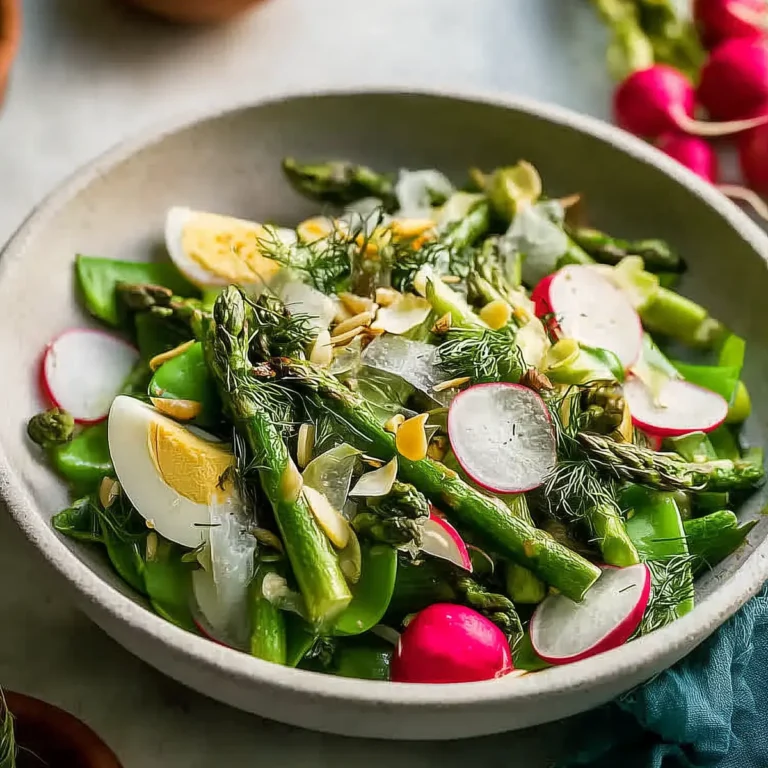
Around Easter, when the table starts crowding with roasted hams, mustardy deviled eggs, and pastel desserts, this salad brings balance to every forkful. It’s green but not grassy, creamy but never heavy, a little floral and even sweeter when you catch a burst of dill. I don’t know if it steals the show, exactly, but year after year, everyone asks for a second helping.
When Easter Asparagus Salad Takes Center Stage
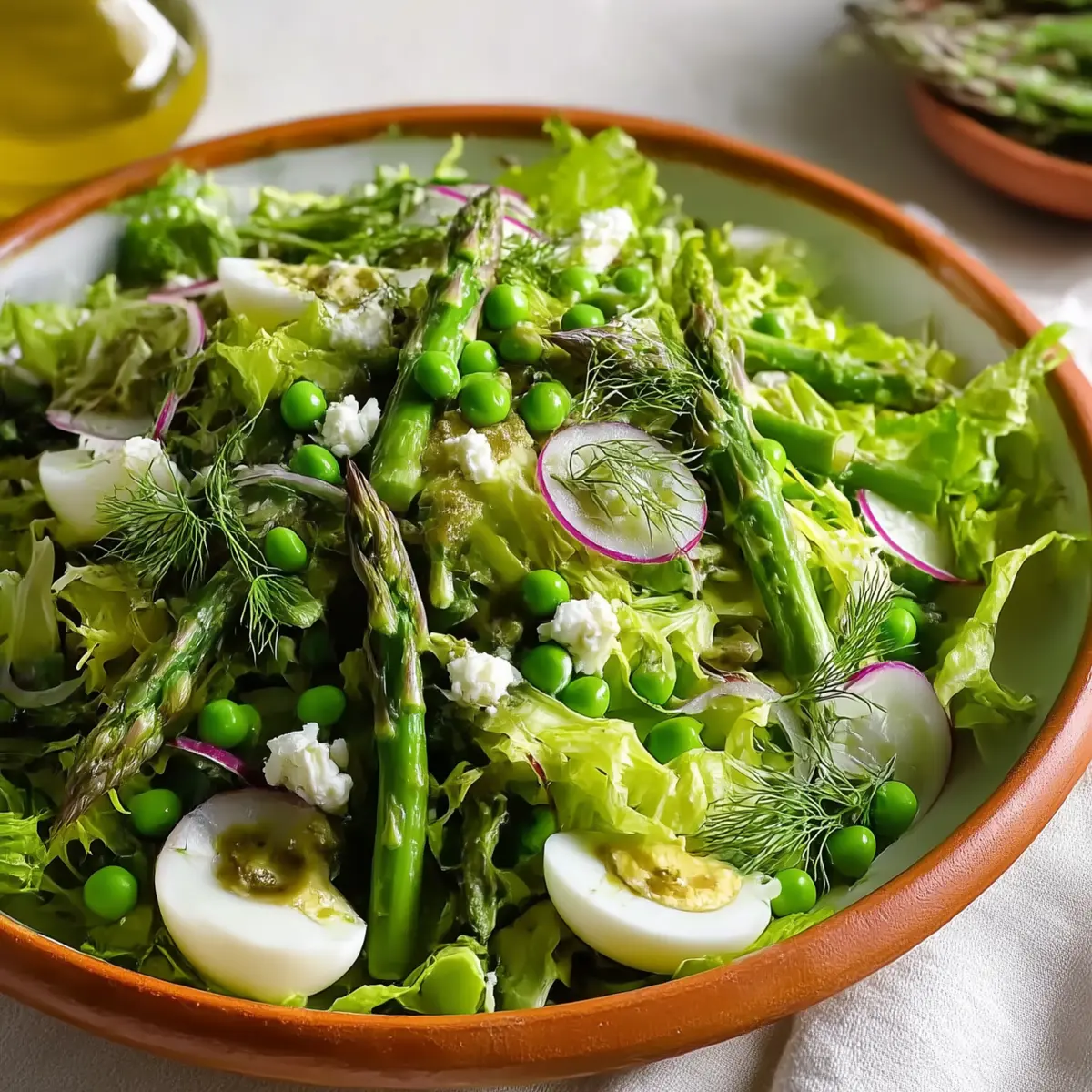
If you’ve ever tried to wrangle a table full of relatives with wildly different food preferences, you know how rare it is to land on a dish everyone genuinely loves. Enter this Easter Asparagus Salad. There’s something about the colors and freshness, the way the dressing drapes everything, that pulls even the anti-salad folks in. It’s not trying to be delicate or dainty—this salad is robust enough to stand right next to the roast, but it still manages a kind of quiet elegance.
The asparagus is the hero, straddling that line between crisp and tender. Microgreens and peas slip in some spring energy, while a pop of dill lifts the whole thing out of winter hibernation mode. Every spoonful feels like a maybe-this-is-my-new-favorite kind of moment, which around Easter, feels like a little seasonal magic.
The Ingredients That Make Everything Sing
- Asparagus – The undeniable star; go for the freshest stalks you can find, just barely cooked for their sweetest, brightest flavor.
- Peas – A handful of fresh or thawed frozen peas brings butteriness and subtle snap.
- Red onion – Sliced thin, these half-moons add sharp contrast and that little bite salads need to keep from going dull.
- Goat cheese – Creamy, tangy, and rich; it settles between the greens and makes every forkful taste special.
- Sunflower seeds – Toasted, if you want a little extra depth. They’re purely for the crunch—don’t skip them.
- lettuce – Torn into pieces, it’s the base layer you’ll want to pile high; any variety you love works, from butter to romaine.
- Microgreens – These are more than garnish. They taste like green sunshine and add color and zip.
- Fresh dill – Dill gives an herby, punchy top note, making the salad unmistakably spring-like.
- Mayonnaise – For the dressing’s creamy core. Use a brand you trust for real richness.
- Dijon mustard – Just enough to warm things up and cut through the creaminess.
- Honey – A little sweet to balance out the vinegar and round the edges.
- Champagne vinegar – Brings floral brightness and a gentle tang—white wine vinegar works in a pinch.
- Salt and black pepper – No explanation needed, but don’t skimp. Freshly cracked black pepper is unbeatable.
See the recipe card below for the full list of ingredients and measurements.
Bringing the Salad to Life, Step by Step
There’s a lovely simplicity here—minimal fuss, but each step matters for the life and color of this Easter Asparagus Salad. I like to make the dressing first, giving the flavors a chance to mingle while everything else comes together. Here’s how it all unfolds:
- Start with the dressing. Whisk together mayonnaise, Dijon mustard, honey, champagne vinegar, salt, and black pepper in a bowl, stirring until it looks impossibly creamy and pale. Let it sit on the counter to mellow out while you prep everything else.
- Bring a pot of salted water to a boil. Drop in the asparagus pieces—don’t wander away, you just want to blanch them quickly. They should turn bright, glossy green in under two minutes. Immediately drain and toss into ice water; this locks in the color and stops them from wilting. Drain again and pat dry.
- If using frozen peas, let them thaw naturally or tip them into boiling water just long enough to take the chill off. Fresh peas are perfect raw. Set aside.
- Layer the salad. Spread a bed of lettuce onto a big serving dish. Scatter microgreens over top, then tumble on the asparagus and peas. Add slices of red onion—use as many or as few as you like.
- Dollop or crumble goat cheese across the whole salad. Sprinkle with sunflower seeds. Spoon the dressing all over, or serve it on the side for drizzling if you want the greens to keep a little more texture.
- Finish with chopped dill, a final dusting of black pepper, and a gentle toss if you’re feeling bold. Serve immediately, before the greens wilt, and while the asparagus is still singing with spring.
Each Bite: Crunchy, Creamy, and Spring Greens Galore
The real joy of this salad is in its contrast. The asparagus brings a warm, grassy sweetness—never mushy if you get the blanching right. Peas are just a bit toothsome, while microgreens give a faint peppery kick. The goat cheese drapes over the greens, blooming into the creamy dressing, slightly tangy and rich at the same time.
Sunflower seeds? They’re the wild card, scattering little pops of toasted nuttiness as you fork through the pile. Red onion offers a bit of bite in the background—not enough to overpower, just enough to keep things snappy. The dill is like a finishing touch that you can actually taste, a fresh exclamation point on all that green.
Every bite is an argument for why spring food is worth getting excited about. There’s no one texture—it’s a cascade, a real celebration of flavors for anyone tired of winter heavyweights.
Little Touches, Shortcuts, and Fresh Ideas
If you want this Easter Asparagus Salad to turn out just right, pay attention to timing: overcooked asparagus loses its sparkle. Ice water is non-negotiable—skip it and you’ll wonder why things look a little flat. If you’re feeling adventurous, switch in snap peas for the regular kind, or play with pistachios instead of sunflower seeds for a sweeter nutty crunch.
Don’t have goat cheese? Feta adds a good tang, or try crumbled ricotta salata for mildness. Microgreens can be swapped for arugula if that’s easier to find. If red onions are too sharp, a brief soak in cold water will mellow them out nicely.
Leftovers aren’t perfect (greens always wilt overnight), but you can store components separately and assemble on day two. The dressing keeps well in the fridge for several days, so you could even prep it ahead for an easier Easter morning. If you absolutely must save the dressed salad, eat it within a few hours for the best texture.
Serving This Salad for Easter and Beyond
There’s nothing fussy about the presentation, but it’s still a stunner on the table—something about the bright greens, white cheese, and that herbal shimmer of dill. I love to serve this alongside ham, roasted chicken, or a big flaky quiche. It doubles as a showy starter or a lively side dish, and if you’re feeding vegetarians, it’ll feel like more than an afterthought.
For more casual meals, toss in sliced boiled eggs or roasted salmon to make it more filling. On a warmer day, you could even bring it to a picnic—the dressing travels in a jar, and everything else simply stacks up in a container. The key is serving it before the greens sigh and wilt: fresher is always better.
FAQs about Easter Asparagus Salad
Can I make Easter Asparagus Salad in advance?
You can prep most of the components ahead of time: blanch the asparagus, slice the onions, and mix the dressing the day before. Don’t toss everything together until just before serving, though, since the greens and microgreens lose their crunch if left to sit with the dressing.
Are there good substitutes for goat cheese in Easter Asparagus Salad?
Definitely—feta cheese, crumbled ricotta salata, or even a mild blue cheese all work well. You want something creamy with a little tang to balance the vegetables and punch up the flavor.
Can I freeze leftovers from Easter Asparagus Salad?
Salads like this one don’t freeze well. The greens, asparagus, and cheese all suffer in texture after thawing, turning soft or watery. If you need to store leftovers, keep them covered in the fridge and finish within a day.
What are some protein add-ins that work with this asparagus salad?
Boiled eggs, flaked salmon, or shredded chicken fold in perfectly. These make the salad heartier—great for lunch or a light dinner. You could even toss in crispy chickpeas for a vegetarian protein boost.
The colors, flavors, and sheer freshness of this Easter Asparagus Salad always make me look forward to spring gatherings—whether that’s a lively holiday brunch or just Sunday lunch in the sunroom. Each time I make it, I remember how asparagus became something more than an obligation. The whole bowl feels bright and celebratory, a gentle reminder that the best food is rarely the fanciest, just the most honest. If you need one dish to wake up your spring table, this is always the one I’d choose—and maybe even sneak a second helping for myself before anyone notices.
More Tasty Ideas
- Easy Pasta Salad: This colorful salad features fresh veggies and a light dressing, perfect for spring gatherings.
- Deviled Eggs: These tasty bites are a classic side, adding a creamy and tangy contrast to your Easter table.
- Spring Quiche: A delightful dish packed with seasonal greens and cheese, ideal for brunch or a festive meal.
Easy Easter Asparagus Salad
Ingredients
Method
- Start with the dressing. Whisk together mayonnaise, Dijon mustard, honey, champagne vinegar, salt, and black pepper in a bowl, stirring until it looks impossibly creamy and pale. Let it sit on the counter to mellow out while you prep everything else.
- Bring a pot of salted water to a boil. Drop in the asparagus pieces—don’t wander away, you just want to blanch them quickly. They should turn bright, glossy green in under two minutes. Immediately drain and toss into ice water; this locks in the color and stops them from wilting. Drain again and pat dry.
- If using frozen peas, let them thaw naturally or tip them into boiling water just long enough to take the chill off. Fresh peas are perfect raw. Set aside.
- Layer the salad. Spread a bed of lettuce onto a big serving dish. Scatter microgreens over top, then tumble on the asparagus and peas. Add slices of red onion—use as many or as few as you like.
- Dollop or crumble goat cheese across the whole salad. Sprinkle with sunflower seeds. Spoon the dressing all over, or serve it on the side for drizzling if you want the greens to keep a little more texture.
- Finish with chopped dill, a final dusting of black pepper, and a gentle toss if you’re feeling bold. Serve immediately, before the greens wilt, and while the asparagus is still singing with spring.