Classic Dublin-Style Irish Lamb Stew Recipe for Comfort
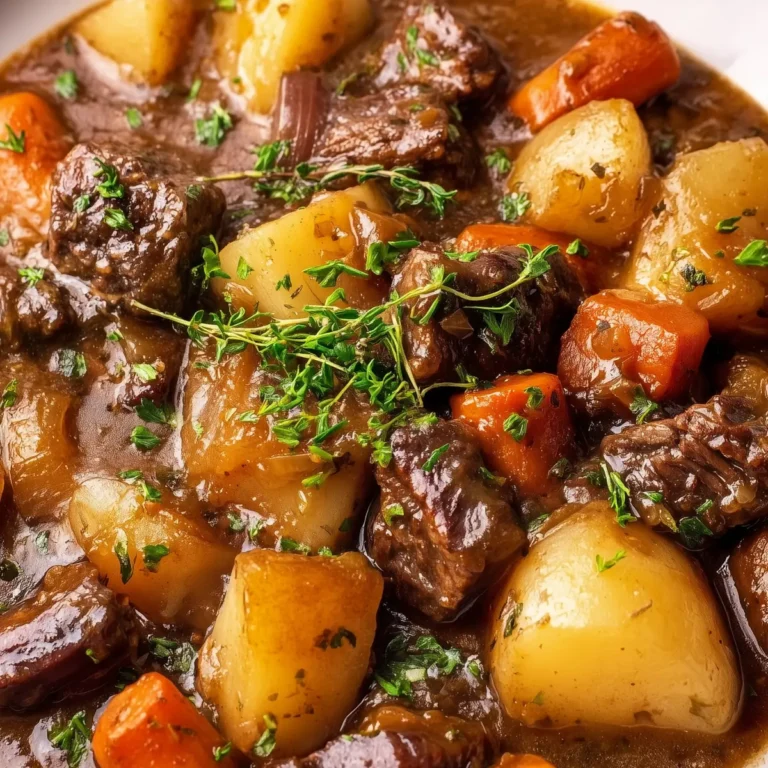
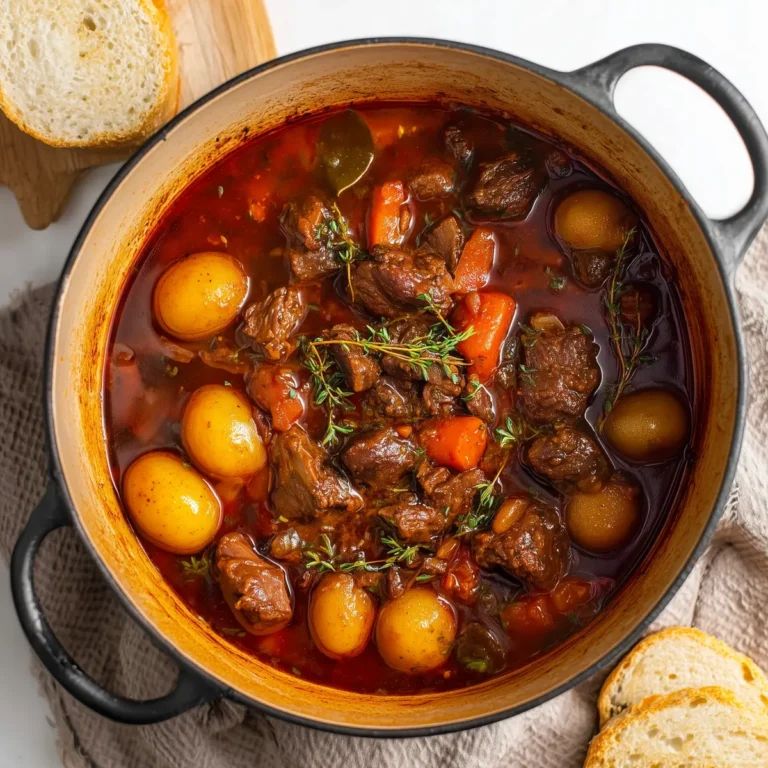
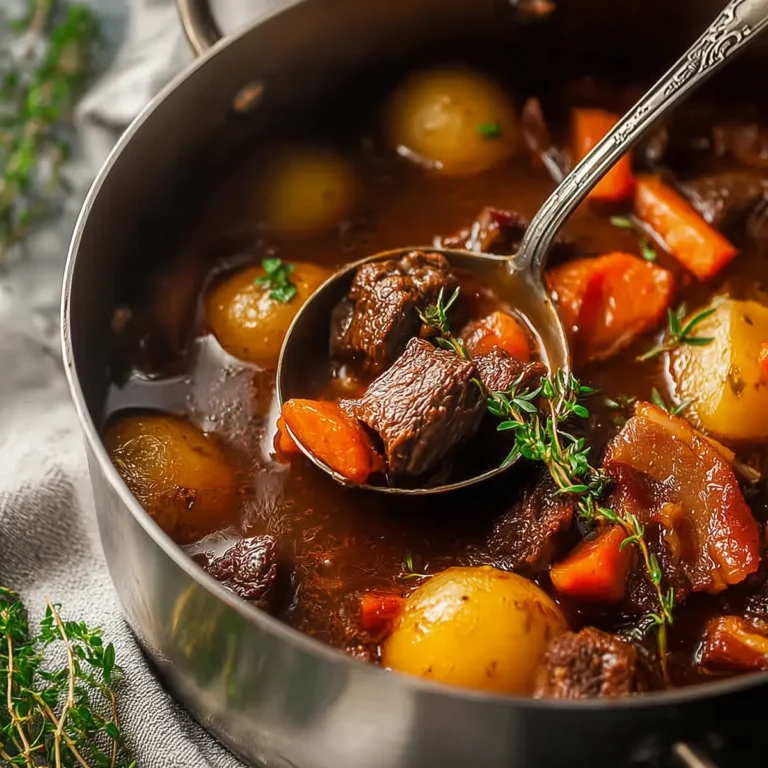
There’s something deeply comforting about a bowl of Classic Dublin-Style Irish Lamb Stew. The way the tender lamb melts into a hearty broth, earthy root vegetables mellowing the richness, and that aroma—equal parts savory and subtly herbal—filling the kitchen. This is slow food at its very best, and yet the steps are simple and rooted in tradition. If you’re searching for a meal that brings both warmth and a little Irish spirit to your table, this classic stew is the answer.
It pulls together honest, everyday ingredients with a method that rewards patience over fuss. Whether you’re planning a cozy family dinner, a festive St. Patrick’s Day gathering, or just want to fill the house with good smells on a chilly afternoon, nothing says comfort quite like this Irish classic.
What you’ll need for authentic Irish lamb stew comfort
Like many traditional recipes, Classic Dublin-Style Irish Lamb Stew rewards minimalism and patience. The beauty here is you don’t need fancy gadgets—just a couple of trusted tools to coax out deep flavors:
- Heavy pot or Dutch oven – Holds heat beautifully and gives you that edge-to-edge browning (key for rich, layered flavor).
- Sharp knife – For trimming and chunking lamb shoulder and vegetables.
- Cutting board – Sturdy enough for prepping everything in a tidy workflow.
- Stirring spoon – A wooden one works well for gently scraping up those browned bits after deglazing.
That’s honestly it. Good stew really just needs patience and a solid pot.
Simple, flavorful ingredients in Dublin-style lamb stew
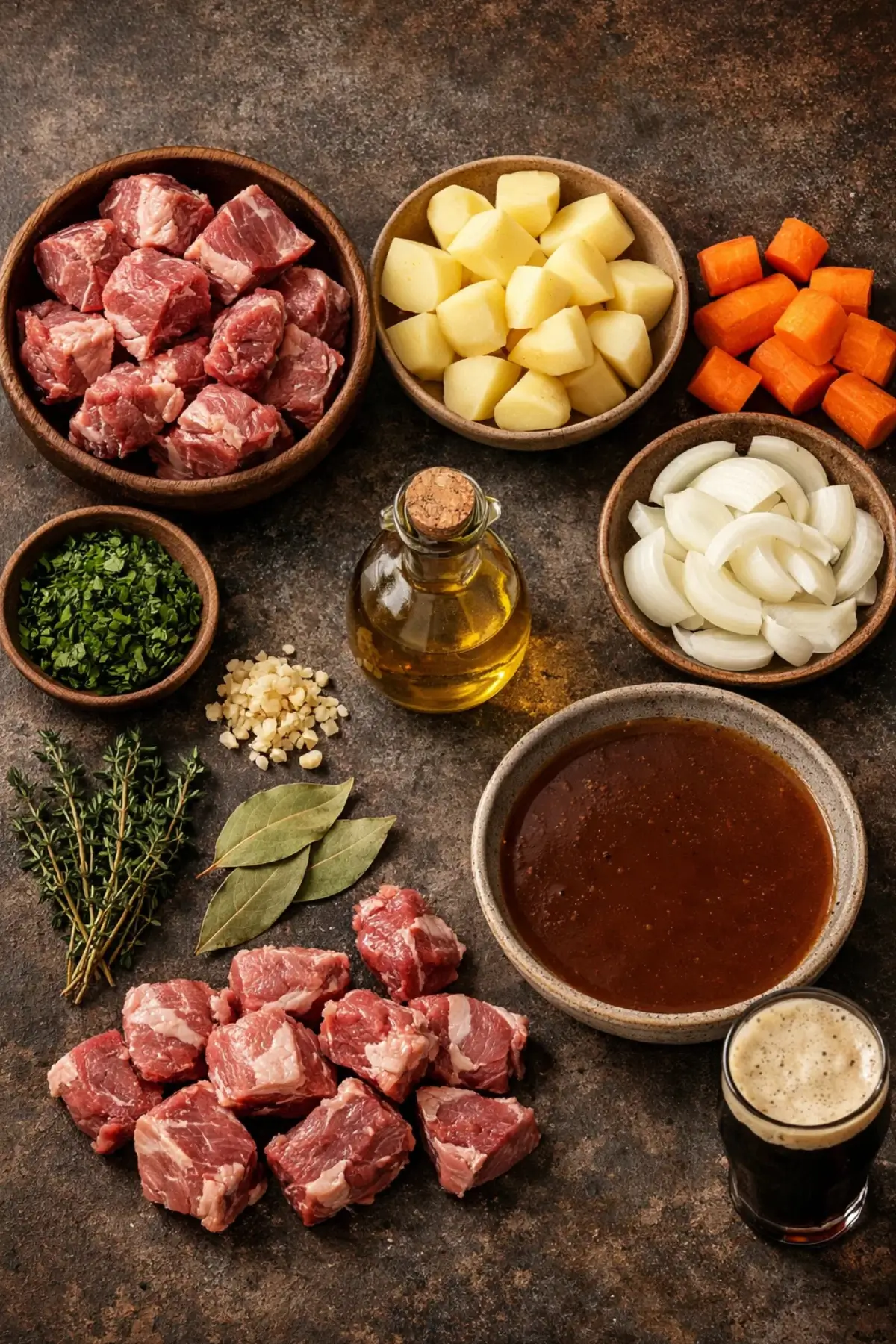
- Lamb shoulder – Rich in flavor, becomes meltingly tender as it simmers. Marbled meat is key for depth.
- Neutral oil (canola or sunflower) – Lets the other ingredients shine, helps you get a beautiful sear on the lamb.
- Yellow onion – Sweetens everything as it softens, laying the base for a rich broth.
- Carrots – Add sweetness and color, absorbing the savory juices as they cook down.
- Potatoes – Earthy, comforting, and naturally thicken the stew as some break down while others remain chunky.
- Garlic – Lends a gentle bite and fragrant undertone without overpowering the lamb.
- Low-sodium lamb or beef stock – Builds the robust body of your stew, letting you adjust saltiness to taste.
- Guinness or stout beer (optional) – Brings extra depth and a slight malty bitterness typical in Irish stews.
- Fresh thyme – Infuses the broth with woodsy herb flavor; dried thyme also works in a pinch.
- Bay leaves – Subtle aromatics to round out the flavor profile. Don’t forget to pull them out before serving!
- Fresh parsley – Added at the end for a hit of color and freshness.
- Salt and freshly ground black pepper – Your essential final flavor enhancers.
See the recipe card below for the full list of ingredients and measurements.
Traditional steps for perfect Classic Dublin-Style Irish Lamb Stew
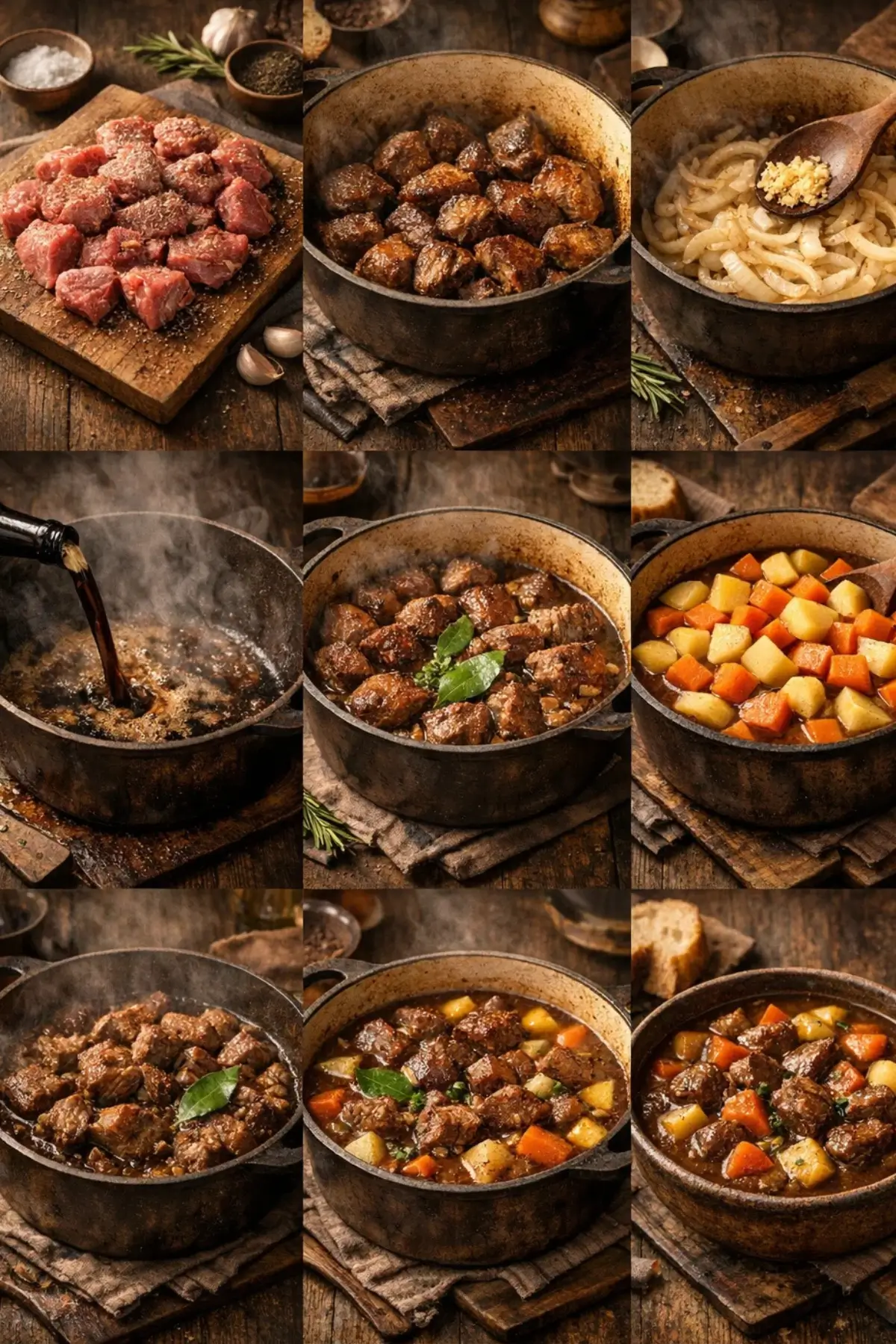
- Pat and season the lamb. Make sure the lamb shoulder is dry—use some paper towels if needed. Generously salt and pepper each chunk. Dry meat gives you that deep, savory crust that’s a must for layers of flavor.
- Brown the lamb in batches. In a heavy pot over medium-high heat, add your oil and sear the lamb on every side. Don’t overcrowd the pot! Let each piece develop a deep, brown crust before moving it to a plate. You’ll know it’s right by the sizzle and the bronzed, crisp surface.
- Soften onions and garlic. Reduce the heat to medium. Toss in the sliced onions with a pinch of salt and cook until they’re soft, fragrant, and just turning golden—about 4–5 minutes. Stir in the minced garlic for another 30 seconds, releasing that signature aroma but not letting it brown.
- Deglaze with Guinness or stout (if using). Pour in the beer and use your spoon to gently scrape up the browned bits stuck to the pan—these aren’t just flavor, they’re gold. Let the beer bubble and mellow for about a minute.
- Return lamb and add your base. Add the browned lamb (and any accumulated juices) back to the pot. Pour in the stock, toss in thyme and bay leaves, and coax everything just to a simmer. You’ll see little bubbles breaking the surface, not a rolling boil.
- Add carrots and half the potatoes. Stir in carrots and half of your potatoes—these will break down as they cook, helping thicken the stew naturally as they dissolve into the broth.
- Simmer gently, low and slow. Cover the pot loosely and let it simmer for 45 minutes, stirring occasionally. The scent will fill your kitchen, and the lamb will start to relax into tenderness. Keep the heat low, just enough that the broth barely bubbles.
- Add the remaining potatoes. Stir in the rest of the potatoes for chunkier texture. Let it simmer on low another 25–35 minutes, until the lamb is fork-tender and the vegetables are meltingly soft but still hold their shape.
- Adjust thickness and season. If your broth feels too loose, gently mash a few potato pieces into it until you get a silkier, thicker texture. If it’s too thick, splash in a bit more stock. Taste and adjust with more salt and pepper as needed.
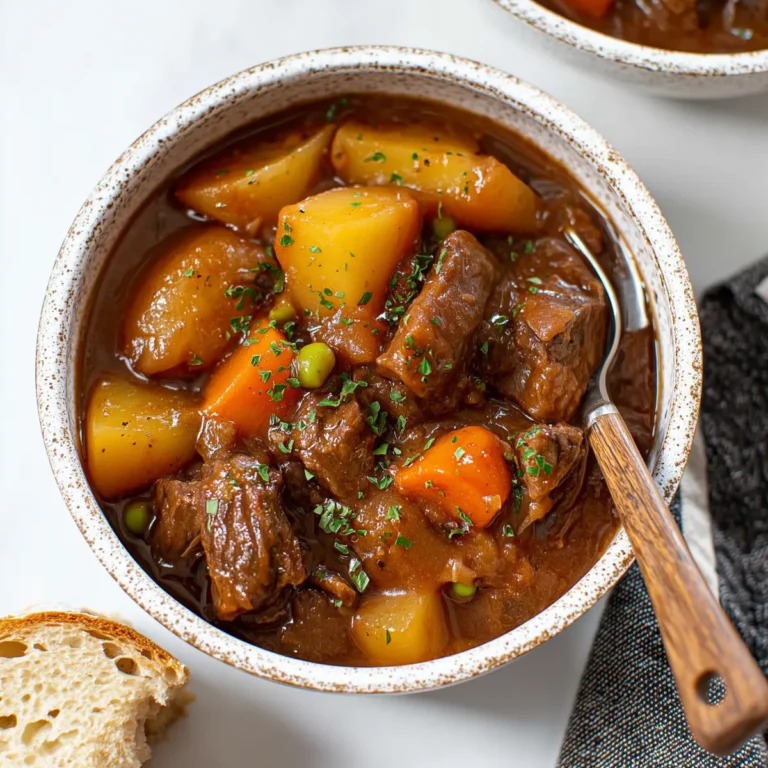
- Finish and serve. Remove the bay leaves. Stir in chopped parsley for a pop of green and brightness. Serve ladled piping hot into bowls, with crusty bread or buttered cabbage on the side to soak up every last bit.
Troubleshooting tips and common classic lamb stew mistakes
- Stew is too thin? Scoop out a few potato chunks and mash them directly into the broth. This will help thicken things without flour or cornstarch.
- Stew turned out too thick? Simply add a touch more warm stock and stir gently until you reach your desired consistency.
- Lamb not tender enough? Give it a bit more time at a gentle simmer. Rushing tougher cuts like shoulder usually leads to chewiness, whereas patience gives you that melt-in-your-mouth result.
- Vegetables mushy? Add potatoes in two stages, as the method suggests. This keeps some potato chunks creamy while others dissolve to thicken the broth.
- Flavors too muted? Double-check your seasoning at the end, and don’t be afraid to drop in a little extra salt and pepper before serving. Sometimes, a generous handful of chopped parsley at the finish revives a stew that’s lacking brightness.
- Missing depth? Make sure you’re browning the lamb thoroughly and not skipping the deglazing step. Those browned bits at the bottom of the pot are a huge source of flavor.
One subtle trick I’ve learned: the last-minute flourish of parsley right before serving always brings even a leftover bowl back to life.
Cozy pairings and variations for Irish lamb stew
When it’s time to share Classic Dublin-Style Irish Lamb Stew, think rustic, homey sides and drinks that round out the experience:
- Crusty bread – The perfect vessel to mop up rich broth.
- Buttered cabbage or kale – Adds a sweet vegetal note and turns the bowl into a full meal.
- Simple green salad – With a sharp vinaigrette, to balance hearty, slow-cooked flavors.
- Irish brown bread or soda bread – For the most traditional pairing.
- Glass of Guinness or Irish red ale – If you enjoy a drink with your meal, the malty notes echo the stew’s own.
For variations, you can:
- Use beef instead of lamb if you prefer a slightly milder flavor.
- Skip the beer for a family-friendly or alcohol-free/sensitive version (it’s delicious either way).
- Add extra root vegetables like parsnips or turnips for a different twist.
- Make it gluten-free by ensuring your stock is gluten-free and omitting the beer.
- Swap parsley for chives as a finishing herb for a subtle oniony note.
FAQs about Classic Dublin-Style Irish Lamb Stew
Can I make Classic Dublin-Style Irish Lamb Stew ahead of time?
Absolutely. This stew develops even deeper flavor if made a day ahead. Let it cool completely, then refrigerate. Gently reheat on the stove over low heat, adding a splash of extra stock if it feels too thick. Skim off any solidified fat, if desired.
What’s the best way to store and reheat leftover Irish lamb stew?
Cool the stew to room temperature and store it in airtight containers in the refrigerator for up to 3 days. When reheating, warm gently on the stove until steaming, stirring occasionally. If the stew has thickened a lot, loosen with a bit more stock or water.
Can I freeze Classic Dublin-Style Irish Lamb Stew?
Yes, this stew freezes quite well. Pour cooled portions into freezer-safe containers, leaving a little space for expansion. Thaw overnight in the fridge and reheat slowly, stirring until the texture is smooth and the lamb is piping hot once again.
Every bowl of Classic Dublin-Style Irish Lamb Stew is memorable
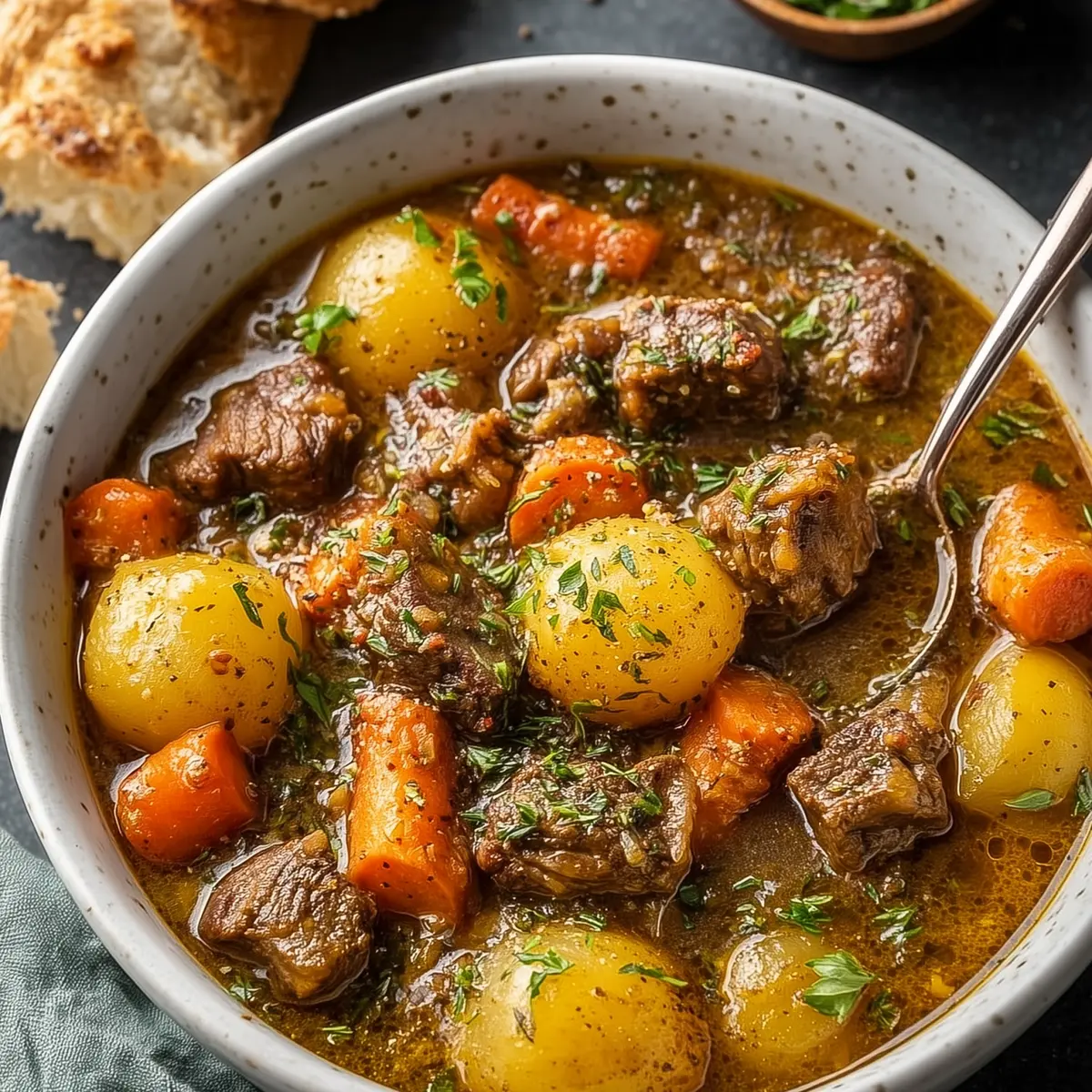
There’s a rare magic in the simple act of letting honest ingredients simmer away until they become something warm and wonderful—exactly what you get with Classic Dublin-Style Irish Lamb Stew. The flecks of parsley on top, the gentle thickness of the broth, and the way the flavors seem to deepen with each passing minute invite you to slow down and savor. It’s a recipe tied to season and place, but always welcome wherever you are. Serve it hot, with bread for dipping, and let every bite remind you how good slow, traditional cooking can taste.
More Delicious Recipes
- Shepherds Pie: This hearty dish is perfect for using up leftover lamb and delivers that comforting flavor profile similar to the stew.
- Bangers and Mash: A classic Irish dish that features sausages and creamy mashed potatoes, it’s a great alternative for a cozy meal.
- Irish Soda Bread: This traditional bread pairs wonderfully with stews, making it a must-try for soaking up the rich broth.
Classic Dublin-Style Irish Lamb Stew – Simple, Hearty, and Comforting
Ingredients
Equipment
Method
- Season the lamb: Pat the lamb dry. Season generously with salt and pepper. Dry meat browns better and builds flavor.
- Brown in batches: Heat the oil in a heavy pot over medium-high. Brown the lamb on all sides, working in batches so the pot isn’t crowded. Transfer browned pieces to a plate.
- Soften the aromatics: Lower heat to medium. Add onion and a pinch of salt. Cook 4–5 minutes until soft and lightly golden. Stir in garlic for 30 seconds.
- Deglaze: Pour in the Guinness (if using) and scrape up the browned bits. Let it bubble for 1 minute to soften the flavor.
- Build the base: Return lamb and any juices to the pot. Add stock, thyme, and bay leaves. Bring just to a simmer.
- Add hearty veg: Stir in carrots and half the potatoes. These early potatoes will break down a bit and help thicken the stew naturally.
- Low and slow: Cover partially and simmer gently for 45 minutes, stirring occasionally. Keep the heat low enough that it barely bubbles.
- Add remaining potatoes: Stir in the rest of the potatoes for chunky texture. Simmer 25–35 minutes more, until lamb is tender and potatoes are soft.
- Adjust consistency: If too thin, mash a few potato chunks into the broth. If too thick, add a splash of stock. Season with salt and pepper to taste.
- Finish and serve: Remove bay leaves. Stir in parsley. Serve hot with crusty bread or a side of buttered cabbage.