Authentic Irish Stew: Hearty Comfort Food Recipe
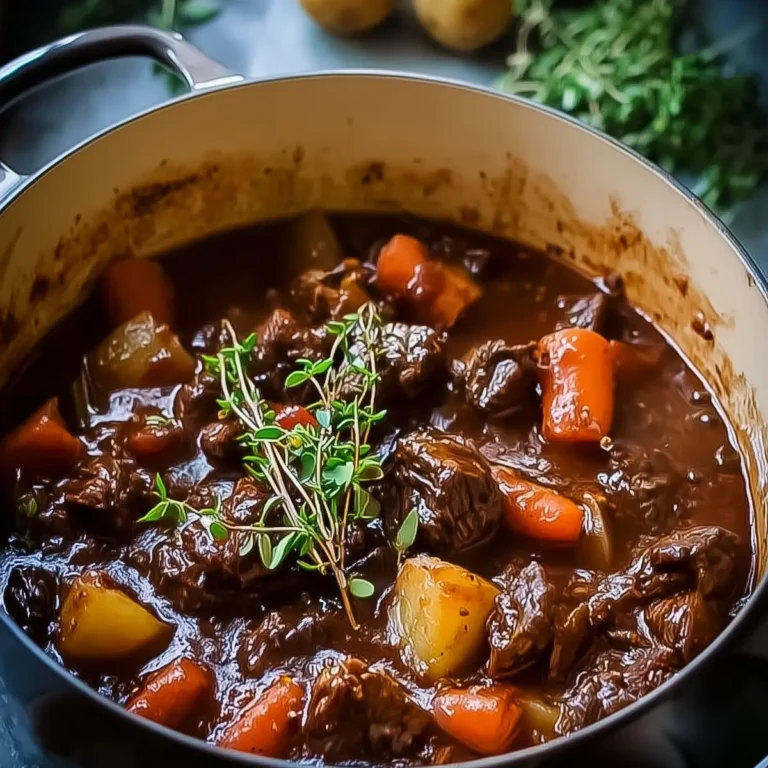
A bowl of authentic Irish stew has always felt like a small act of comfort—something you simmer for hours on the stove, letting those cozy, savory smells tumble through your kitchen until everyone starts drifting in, asking, “Is it ready yet?” I first fell for this stew on a February evening when cold rain hammered my windows and all I really wanted was something hearty and warming. There’s magic in this dish: the way those hunks of beef (or lamb, if you’re feeling traditional), chunked potatoes, and sweet carrots surrender into the bubbling broth, softening until you barely need a spoon. It’s food that doesn’t just feed you; it hugs you from the inside out.
When you cook authentic Irish stew, you’re joining a long tradition of simple, satisfying meals meant to stretch ingredients and spirits on long, damp nights. The flavors are honest—the earthiness of barley, the clarity of fresh thyme and bay, the rich tenderness of well-seared meat. Even the steam that escapes as you lift the lid feels like its own little reward.
The Cozy Magic of an Irish Stew Night
There’s something particularly grounding about settling down at a table where a pot of authentic Irish stew anchors the meal. Maybe it’s because the process is all patience and low effort: a handful of prep, a quick sizzle, then a long, slow wait while the flavors bloom. It’s the kind of meal you linger over, letting conversation stretch alongside second helpings. This stew doesn’t call for fancy flourishes or complicated steps—just honest ingredients and real, deep flavors that only emerge after a couple hours together in the same big pot.
When the weather outside isn’t exactly inviting, I find myself craving the ritual of chopping, sautéing, and finally, ladling that hot, fragrant broth over hearty chunks of beef and pillowy potatoes. Nothing flashy—just classic, big flavor in a bowl.
The Ingredients That Make This Stew Sing
You’ll find that authentic Irish stew is less about chasing trendy ingredients and more about letting a few essentials do heavy lifting. Here’s what I reach for—and why each piece matters in this symphony of savory goodness:
- beef chuck roast – This is your main event. Well-marbled pieces of stewing beef (or lamb, if you want a classic riff) melt into silky, generous bites after a long slow cook.
- Carrots – Add bursts of sweet flavor as they break down, contrasting with the richness of the meat. Feel free to swap in parsnips for extra earthiness.
- Potatoes – Pillowy chunks that soak up all the savory broth and help thicken things naturally. Waxy varieties hold up but floury potatoes give a softer finish.
- Onion – The flavor foundation. Once softened, onions blend right in and bring a subtle sweetness that ties everything together.
- Garlic – Minced and sautéed, garlic hums in the background, giving backbone and warmth without dominating the show.
- Beef broth – This is what draws all those elements into a true stew instead of a meat-and-veg jumble. Rich, savory, and just a bit bracing in a good way.
- Fresh thyme – A couple sprigs lend a gentle herbal lift, making the stew feel a touch brighter with every spoonful.
- Bay leaves – They linger in the pot, quietly building a layered aroma in partnership with the thyme.
- Pearl barley (optional) – Sometimes I add this for a soft, chewy bite and extra thickening. It’s not strictly traditional, but it’s always a hit here.
- Salt and pepper – Don’t skimp! These basic seasonings are what let all the other flavors shine through.
- Oil – Just enough to sear the beef and tease out some robust flavor from the veggies right at the start.
See the recipe card below for the full list of ingredients and measurements.
Building Flavor Layer by Layer
The difference between just “throwing it together” and achieving that unforgettable depth comes from how you approach each stage. Start with prepping: chop the onions, carrots, and potatoes into those bite-sized pieces—it makes sure every spoonful gets a little of everything. Try not to rush this part, as each neat chunk means even cooking and better texture all the way through.
Next, you want to really go for it with the beef. Searing the chunks in a good layer of oil should be noisy and aromatic—the meat should pick up a lovely, browned crust that’ll flavor the broth later. Set it aside, and don’t even think about cleaning the pot; every browned bit clinging to the bottom is pure flavor.
Into that same pot, toss in your onions and garlic. Stir them around gently until the edges soften and the onions start to go translucent but don’t fully brown. You should be able to smell the change—the sharpness fades and things mellow into something sweet and promising.
At this point, in go the carrots, potatoes, and (if you’re using it) a handful of pearl barley. Pour in your beef broth slowly, making sure everything is pleasantly covered but not swimming—it’s about layering, not drowning. Fresh thyme sprigs and bay leaves get nestled in last, ready to quietly infuse the broth over the next stretch.
Letting It Simmer—The Heart of the Stew
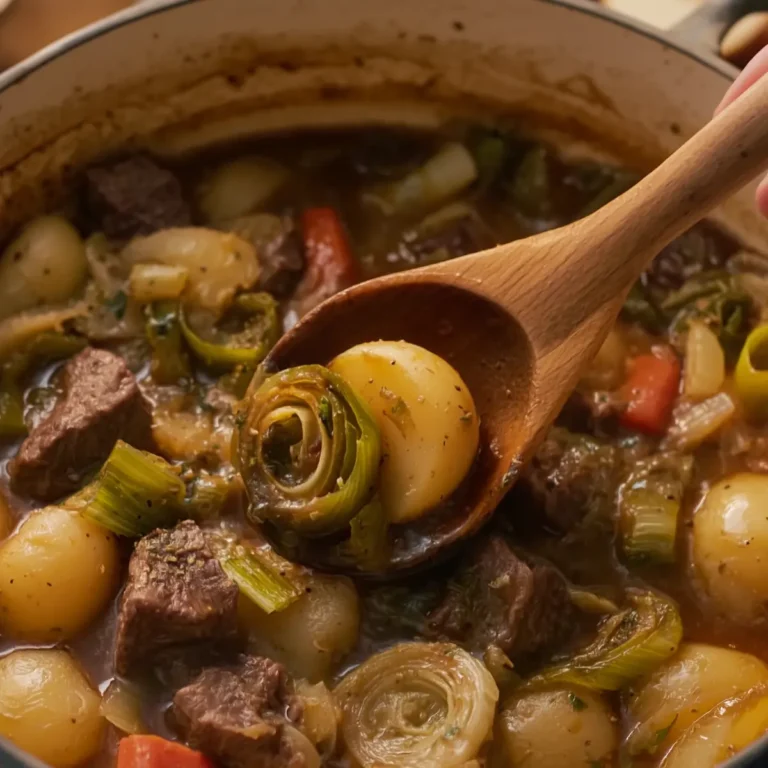
Now comes my favorite part—the long, slow simmer. This is when the real magic happens. Slide the browned beef back in, slap a lid on your pot, drop the heat down low, and let time do all the hard work. The stew will bubble gently, the surface barely moving, while everything underneath relaxes and soaks up those deep flavors.
Give it a check and gentle stir every now and then. In about an hour, the kitchen will carry this beefy, herby aroma that just feels right. By the time two hours roll around, you’ll barely be able to resist dipping a spoon in to test “just a taste.” The [beef](https://en.wikipedia.org/wiki/Beef) should yield to the side of your fork, and the vegetables will be perfectly tender—never mushy, always soul-warming.
The last flourish is simple: season with salt and freshly cracked black pepper. If you like things bolder, this is where a little extra pepper or a finishing pinch of sea salt works wonders.
Texture, Flavor, and That Satisfying First Spoonful
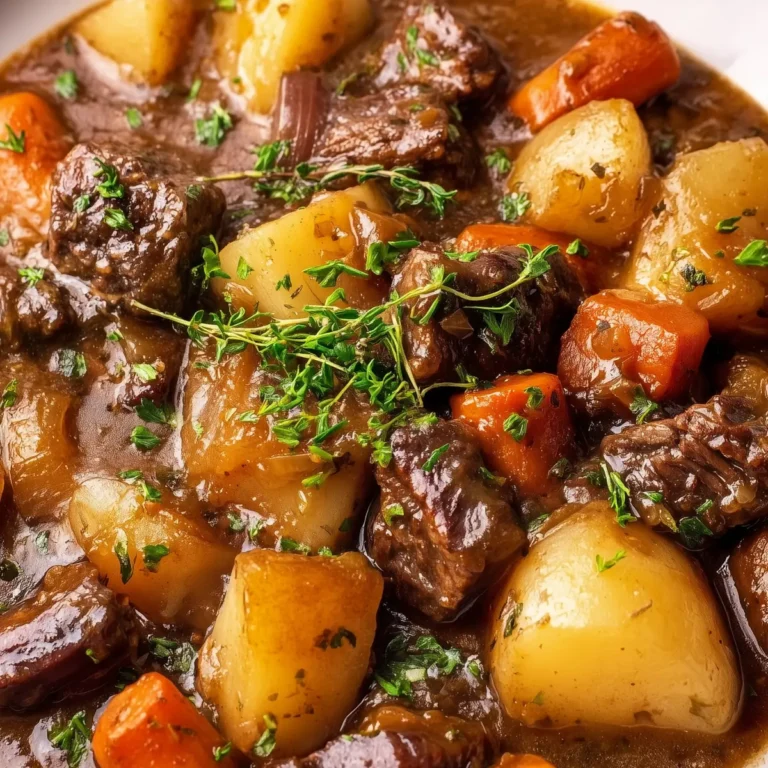
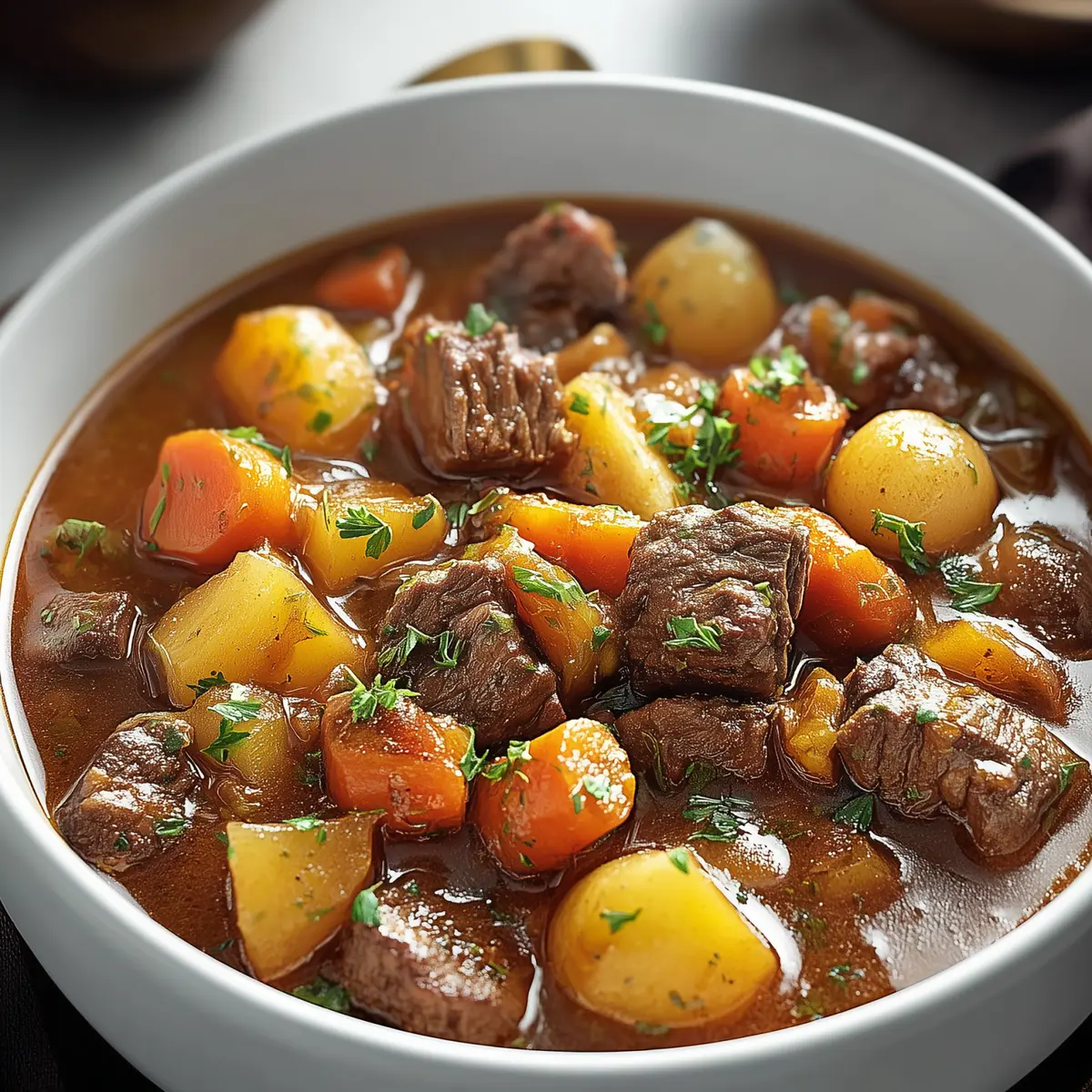
What should you expect from that first bite? Think velvety strands of beef that practically fall apart, wrapped up in a savory, almost silky broth. Potatoes feel pillowy but hold just enough of their form to balance the spoon. Carrots trade snap for sweet softness, and if barley went in, there’s a little nubbly pop that keeps each mouthful interesting.
The thyme and bay whisper in the background—nothing overpowering—while the broth feels rich, not greasy. Every bite delivers a comforting contrast between buttery beef, soft vegetables, and the subtle chew from barley (if included). It’s the sort of meal that feels complete without a single fancy flourish.
Tricks, Tweaks, and Stealthy Upgrades
Let’s be honest, there’s no one way to make authentic Irish stew. Sometimes you want to nudge the flavor in a new direction or adapt to what’s on hand. If you’re feeling old-school, swap out the beef for lamb—that’ll get you even closer to the roots of this dish. No barley? No worries. Leave it out or toss in more potato.
For a richer, deeper finish, sneak in a splash of stout beer as the broth comes up to temperature. Or, if you’re lucky enough to have parsnips lying around, chop those in for extra sweetness and body. Don’t hesitate to play with your herbs: parsley or even a touch of rosemary can add a fresh twist.
This stew is the definition of forgiving when it comes to leftovers. Cool it completely before storing in the fridge, and it’ll taste even better the next day. Irish stew also freezes beautifully—just be sure to let it come to room temperature first and store in a tight container. When you’re ready for comfort-on-demand, thaw gently and reheat until bubbling.
Serving Thoughts: Steamy Bowls and Perfect Pairings
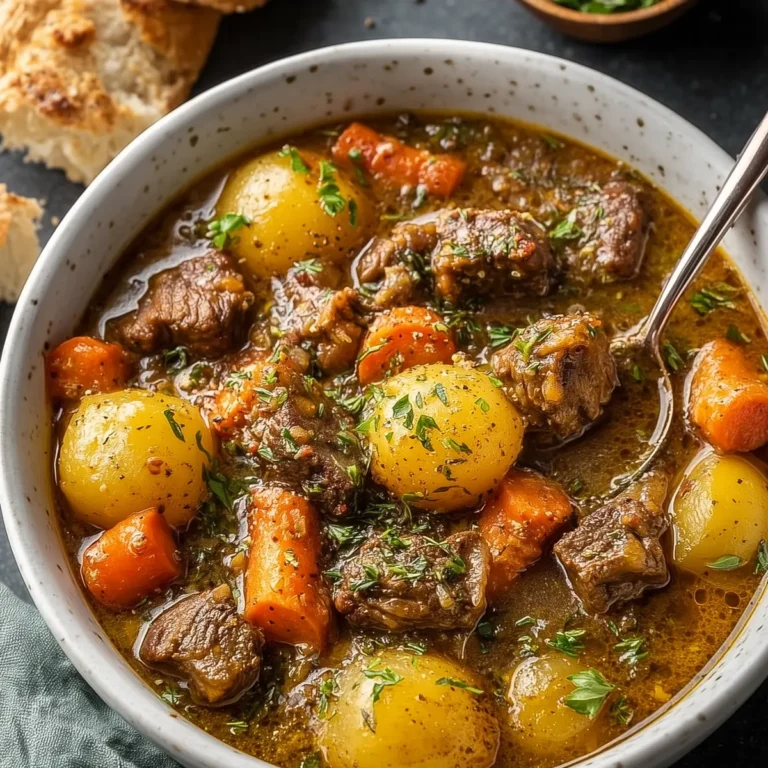
I love ladling out authentic Irish stew into deep, wide bowls so each spoonful can swim just a little in that rich broth. Scatter a bit of fresh parsley over the top for color—totally optional, but always appreciated on a grey evening.
There’s no wrong side for this stew, but warm, crusty bread is tradition for a reason. Use it to mop your bowl and chase every last drop. If you’re feeling particularly celebratory (or have guests), offer up a wedge of sharp farmhouse cheese and a pint of dark, malty beer on the side.
This stew is the kind of thing you want to make for a group, whether it’s an ordinary weeknight or a gathering with friends who crave soul food. It invites a slow meal, easy seconds, and easy laughter. If you manage to save any for later, know the flavors mellow even further—sometimes I think the next-day leftovers are the very best part.
FAQs about Authentic Irish Stew
Can I substitute lamb for beef in authentic Irish stew?
Absolutely—you’ll just be going even more traditional. Lamb offers a slightly sweeter, more delicate flavor, and its fat renders beautifully into the broth. Use a cut meant for stewing, like shoulder, and cook until it’s just as fork-tender as beef.
What’s the best way to store leftover authentic Irish stew?
Let the stew cool completely before transferring it to an airtight container. It’ll keep in the refrigerator for up to three days. When reheating, warm it gently on the stove over low heat, adding a splash of broth or water if the stew has thickened too much.
Can authentic Irish stew be frozen?
Yes! Stew is a perfect freezer meal. Let it cool to room temperature first, then freeze in individual portions or as a family-sized batch. It’ll keep for up to three months. Defrost slowly in the fridge or on the stovetop, stirring occasionally as it reheats.
How can I add more flavor to my Irish stew if it tastes a bit flat?
If your stew needs a boost, try stirring in a splash of stout beer while it’s simmering—this adds a deeper, almost bittersweet note that pairs nicely with the beef and root vegetables. Finish with extra chopped herbs or a final pinch of sea salt and cracked pepper to wake everything up just before serving.
With the lingering comfort of each spoonful and the way it brings everyone to the table, authentic Irish stew is the kind of meal you’ll want to make a little too much of, just so there’s plenty for seconds. The slow simmer turns pantry basics into something greater—something that feels almost restorative after long days and cold nights. Pour yourself a deep bowl, break into your crustiest bread, and enjoy the warmth—because some evenings are just made for this kind of kitchen magic.
More Delicious Recipes
- Chicken Vegetable Stew: A hearty stew packed with tender chicken and a variety of vegetables for a comforting meal.
- Hearty Beef Soup: This soup offers similar flavors to Irish stew, featuring tender beef and a savory broth that warms the soul.
- Beef Bourguignon: A classic French beef stew that’s rich and full of flavor, perfect for those who love slow-cooked meals.

Authentic Irish Stew
Ingredients
Equipment
Method
- Prep the vegetables: Chop the onions, carrots, and potatoes into bite-sized pieces.
- Sear the beef: Heat 2 tbsp oil in a large pot over medium-high heat. Add the beef chunks and sear them until browned on all sides. Remove the beef from the pot and set it aside.
- Sauté the aromatics: In the same pot, add onions and garlic. Sauté until the onions become translucent.
- Add the vegetables and broth: Add the carrots, potatoes, and optional pearl barley to the pot. Pour in the beef broth to cover the ingredients. Stir in the fresh thyme sprigs and bay leaves.
- Simmer the stew: Return the browned beef to the pot. Cover the pot, reduce the heat to low, and let it simmer for 1.5 to 2 hours until the meat is fork-tender.
- Season: Add salt and pepper to taste.