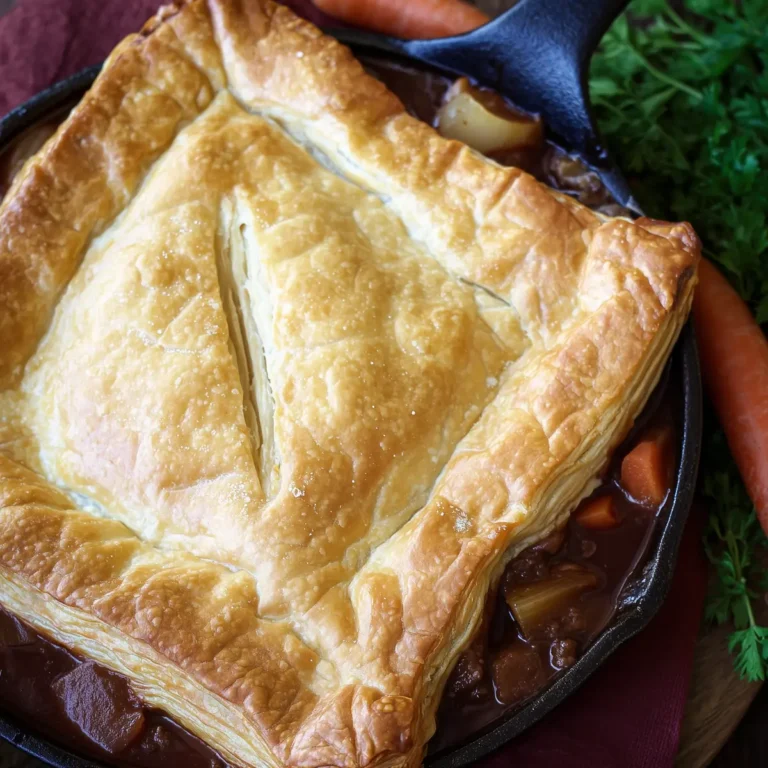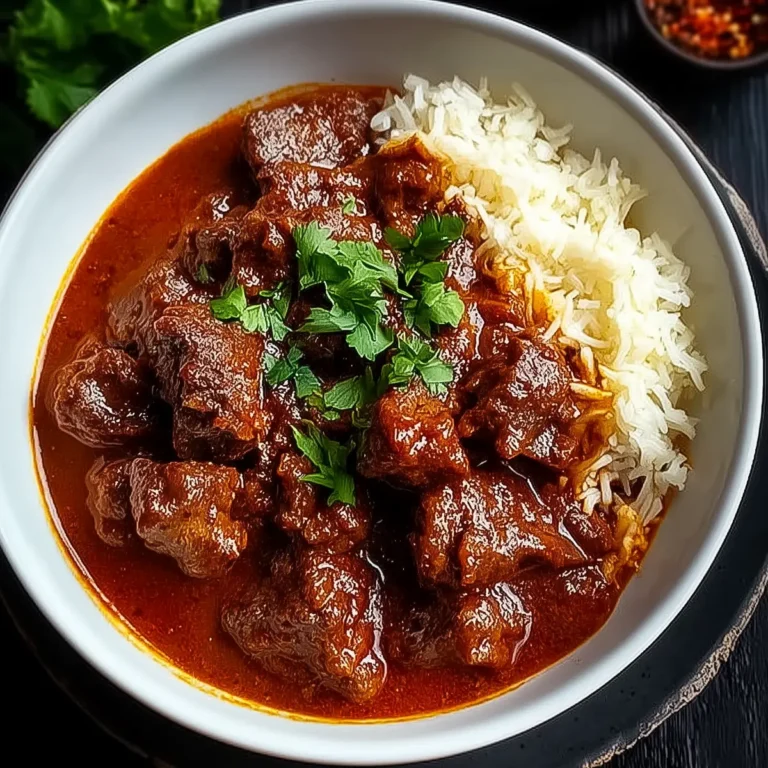
Braised Veal Cheeks: A Comforting Culinary Delight
The first time I made braised veal cheeks, it was a gloomy winter night—one of those evenings when you really want something cozy, but there’s not a ton of fussing left in you. The aroma of rich sauce and sweet vegetables slowly filling the kitchen reminded me why dishes like this are worth a rainy Saturday. Spoiler: anyone who walks into your home while these are braising will beg for a plate.
The beauty of braised veal cheeks is how they transform from humble, slightly tough cuts into meat so fork-tender it almost melts. If you love hearty, slow-cooked recipes that feel a little celebratory, you’re in the right place.
Why Braised Veal Cheeks Are Always Worth It
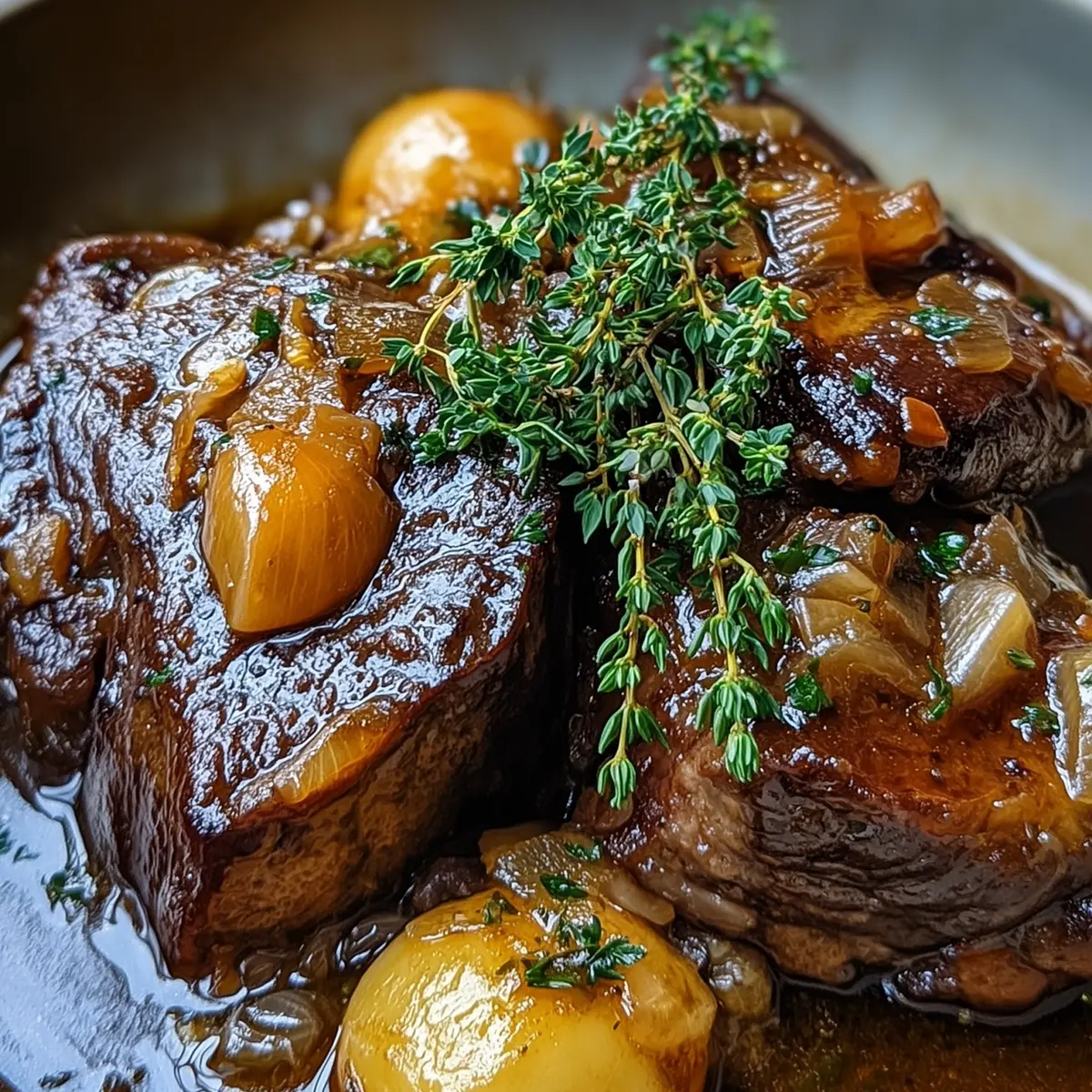
There’s something quietly magical about braising—especially when it comes to veal cheeks. Unlike more straightforward beef stews, braised veal cheeks are an absolute treat for anyone who adores meat that yields at the lightest touch. The long, slow journey in the oven coaxes these cheeks into the silkiest, most flavorful bites you’ll ever taste.
What really sets this recipe apart is the sauce: a dark, glossy blanket made special with winter beer and just enough cranberry juice to give things a modern, slightly tangy twist. You’ve got big, comforting flavors but nothing feels heavy. This isn’t just dinner; it’s the reason everyone lingers at the table a bit longer, savoring one more forkful. If special occasion cooking tends to intimidate you, let this braised veal cheeks recipe show you how un-fussy it can be.
What Goes Into This Braised Veal Cheeks Recipe
Let’s talk about the lineup—every ingredient here brings something unique to the party, so don’t be shy about leaning into bold flavors. Here’s what you’ll need for your braised veal cheeks:
- Veal cheeks – The star! These cuts turn wildly tender when cooked low and slow, taking on all the richness of the braise.
- Soup vegetables (carrot, celery, onion) – These are the trio that build a base of sweetness and earthy flavor for the sauce. Substitute with parsnip or leek if you’re feeling creative.
- salt and pepper – They’re the baseline, waking up every other flavor. Freshly cracked pepper is always a plus.
- Tomato paste – Gives the sauce depth and a nice, savory backbone without overpowering the delicate veal.
- Winter beer – Adds roasted notes and a subtle bitterness. If you don’t have winter beer, a dark ale or malty lager works too.
- Beef or veal stock – Lends that classic, slow-cooked foundation you want in any hearty braise. Homemade or store-bought, both are fine.
- Cranberry juice – A little unexpected—this brightens everything with a gentle acidity and some sweetness. Try pomegranate juice as a swap if you like.
- Oil – For searing the meat and veggies. Neutral or light olive oil does the trick beautifully.
- Butter – Balances out the oil and brings luxurious, golden flavor to both the meat and the sauce base.
- Dark sauce binder or cornstarch – This is what gives the finishing sauce its lovely body, letting it cling to every morsel of meat just right.
See the recipe card below for the full list of ingredients and measurements.
Step-By-Step: How to Make Braised Veal Cheeks
Making braised veal cheeks isn’t nearly as intimidating as it sounds—it’s all about gentle, attentive steps, letting the oven do most of the work. Here’s how you’ll pull off melt-in-your-mouth perfection:
- Preheat your oven until it feels like a warm hug—medium heat, fan setting if you have it. You want a steady, cozy environment for hours of gentle bubbling.
- Grab your veal cheeks and trim away any sinew or extra fat you see. Season these beauties with a generous pinch of salt and plenty of cracked pepper. Don’t be shy here—that simple seasoning is foundational.
- Chop your soup veggies—carrots, celery, onion—into even pieces. You’re building a flavor-packed foundation, so go for chunks that won’t melt away after hours in the oven.
- Set a heavy, ovenproof pot on the stove. Heat up a slick of oil and a knob of butter until it fizzles slightly. Nestle in the veal cheeks and sear them until they’ve got a deep, caramelized crust on each side. Turn them with tongs, letting that brown edge develop. Once done, pull them out and set aside.
- In the same pot, toss in your chopped vegetables. Listen for that gentle sizzle—cook, stirring occasionally, until everything softens and starts to go a little golden around the edges. That’s maximum flavor being built right there.
- Spoon in the tomato paste and stir it around until it darkens and clings to the veggies, just for a minute. It should smell savory and slightly sweet at this point.
- Now, return your veal cheeks to the pot, nestling them down into the veggie bed. Pour in your winter beer, following with the beef or veal stock and a splash of cranberry juice. The pot should be swimming in cozy potential now.
- Let the whole thing come up to a gentle simmer, pop a lid on, and transfer to the oven. Now’s the hands-off part—let the cheeks braise until they’re dreamy soft, nearly falling apart at the touch of a fork.
- Carefully lift out the cheeks and set aside, covered. Strain the sauce, discarding spent veggies. Simmer the sauce down over medium heat until it looks shiny and thick enough to coat the back of a spoon. Whisk in sauce binder or a little cornstarch slurry to get that velvet finish.
- Serve the veal cheeks with the glossy sauce spooned generously over the top. The meat should practically yield as you cut in—watch everyone’s eyes widen in anticipation.
Tricks for Perfect Braised Veal Cheeks Every Time
If this is your first go at braised veal cheeks, don’t sweat it—good braising is about patience and trusting the process. But a few tiny tweaks can make a wonderful difference:
Let your meat come close to room temp before searing—cold veal cheeks won’t brown as evenly, and browning is where a lot of flavor happens. Give the pan time to get hot before you add the cheeks; you want a nice sizzle, not a sad little sputter.
If your sauce reduces too fast or seems overly thick after the oven, just add a glug of stock or extra cranberry juice to loosen it. Conversely, if it’s runnier than you like, simmer uncovered and let it concentrate before thickening.
For extra depth, sauté a small clove of garlic or a sprig of thyme with the soup veggies. And don’t forget to scrape up those golden brown bits at the bottom of the pot after searing—that’s pure flavor gold.
Braising is very forgiving, but don’t rush the meat. If your cheeks aren’t fork-tender yet, let them go a little longer. They should practically collapse when pressed with a spoon.
Lastly, braised veal cheeks love a rest. After cooking, let them sit in the sauce for a little bit before serving. It helps every bite stay super juicy and packed with flavor.
Favorite Variations and Serving Ideas for Braised Veal Cheeks
These braised veal cheeks easily flex to the season or your mood. When it comes to sides, I love a creamy polenta or pillowy mashed potatoes as they gather up every drop of that silky sauce. Buttered noodles or sourdough bread are also great to mop up the goodness.
Want to give the sauce a French twist? Splash in a bit of red wine instead of beer. For deeper sweetness, throw in a handful of dried cranberries or prunes during the braise (they’ll melt in, barely noticeable until the last bite).
If you’re serving to a crowd, the recipe doubles perfectly and can be made a day ahead—maybe even better on day two, as the flavors cozy up overnight.
To make it more festive or holiday-themed, scatter over a few pomegranate seeds or fresh herbs (parsley and thyme work wonders). Pair with a simple green salad dressed bright and tangy, and maybe a glass of the same winter beer you used in the sauce.
Braised veal cheeks also freeze surprisingly well! Just store them in plenty of sauce in a sealed container. Gently reheat on the stove, covered, adding a splash of stock or water if the sauce thickens too much.
FAQs about Braised Veal Cheeks
Can I make braised veal cheeks ahead of time?
Absolutely! In fact, making them a day ahead lets the flavors deepen and the meat stay moist. Cool completely, store in the sauce, and reheat gently either on the stovetop or in the oven, covered.
What’s a good substitute if I can’t find veal cheeks?
If veal cheeks aren’t available, try beef cheeks, pork cheeks, or even well-marbled short ribs. Just know that the cook time may need slight adjusting depending on the size and type of meat.
How do I store and reheat leftover braised veal cheeks?
Store leftovers in an airtight container, making sure the meat stays covered with sauce. Keep in the fridge and use within a few days. Reheat slowly in a covered pot or in the oven with a splash of stock to keep everything juicy.
Can I freeze braised veal cheeks for later?
Yes, braised veal cheeks freeze very well. Let them cool completely, portion with plenty of sauce, and freeze in a well-sealed container. Thaw overnight in the fridge, then reheat gently, adding extra stock or water if the sauce thickens too much.
Rich, comforting, and unapologetically tender—there’s something about a plate of braised veal cheeks that just begs you to slow down and savor. Whether it’s a winter dinner party or just a “because I can” treat, let these cheeks become your new go-to for a dinner that soothes and satisfies. Pour a glass of something bold, spoon that sauce generously, and enjoy every butter-soft bite.
More Delicious Recipes
- Braised Beef Cheeks: This recipe features a similar cooking method and tenderness, perfect for fans of slow-cooked dishes.
- Slow-Cooked Lamb Shanks: Another hearty choice that promises melt-in-your-mouth tenderness with rich flavors.
- Classic Beef Bourguignon: This classic French dish offers a rich, braised meat experience with comforting ingredients.

Braised Veal Cheeks – Super Tender
Ingredients
Equipment
Method
- Preheat the oven to 160°C (fan).
- Trim the veal cheeks of any excess sinew or fat and season with salt and pepper.
- Chop the soup vegetables into even pieces.
- Heat oil and butter in a heavy ovenproof pot over medium-high heat.
- Brown the cheeks on all sides and then remove them from the pot.
- Add the chopped vegetables and cook until soft and lightly browned.
- Stir in the tomato paste and cook for a minute.
- Return the veal cheeks to the pot and pour in the beer, stock, and cranberry juice.
- Bring to a simmer, cover, and transfer to the oven.
- Braise until the cheeks are very tender, about 2.5 to 3.5 hours.
- Remove the cheeks, strain and reduce the sauce, and thicken as desired.
- Serve the sauce over the cheeks.