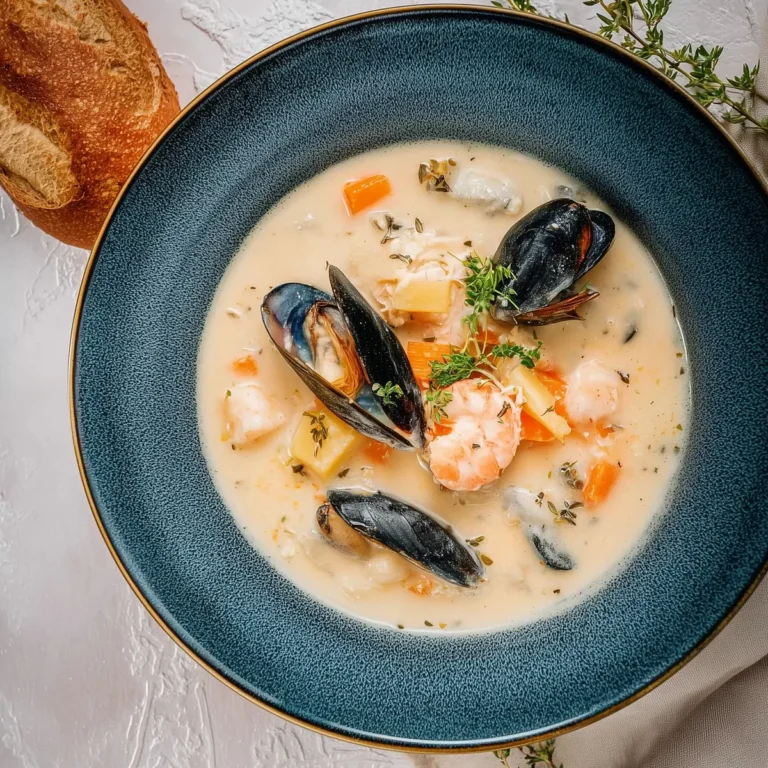
Spring Onion Soup: A Fresh Spring Delight
There’s nothing like those early spring days when you start to crave lighter, brighter flavors but still want the gentle comfort of something warm. That’s when I always remember Spring Onion Soup. It managed to sneak its way into my regular meal lineup the moment I realized how silky, soothing, and easy it is. The real appeal? This soup feels like a fresh breath of green after winter; the kind of thing I want to eat at my kitchen table with a slice of crusty bread and the window just barely cracked open.
What makes this soup sing is its brilliant contrast: the onions melt into silky sweetness, while a splash of white wine and a little squeeze of lemon bring a refreshing lift that wakes up your palate. There’s body and creaminess from potatoes—without a drop of cream. Add in handfuls of baby spinach and fresh parsley, and you get that beautiful gentle green shade that just screams “spring is finally here.” Sometimes I make it for lunch, sometimes for a light dinner. Occasionally, I’ll double up and freeze half, just so I have something bright and soft for those surprise chilly nights in April.

Early Spring Comfort in a Bowl
There’s a very particular kind of comfort in dishing up this Spring Onion Soup as you watch the last patches of frost slip away. Unlike heavy winter soups, this one treads lightly—it promises warmth and satiety but never weighs you down. I started making it after a few failed attempts at more traditional onion soups; I just wanted something fresher, a little less rich, but big on flavor and color. Those first couple spoonfuls, when the steam carries up the scent of softened onions mingling with garlic and a mellow, grapey backdrop of white wine, always pull me right in.
This is the kind of soup that fits into those transitional days when you need something to gently coax you out of hibernation. Not quite hearty enough to anchor a deep winter meal, but certainly robust enough that you could pour yourself a generous bowl, scatter on something green and fragrant, and call it dinner. Or serve it as a first course, letting it quietly upstage whatever comes next.
The Ingredients That Bring This Soup to Life
When you look at this ingredient list, it’s a lesson in how a few familiar things can create something greater than the sum of their parts. Every choice here matters—a little tweak one way and you end up with a totally different feeling soup.
- olive oil – the gentle start, used to soften the onions and coax out their sweetness without any harsh edges or burnt flavors.
- Spring onions – these are really the building blocks of the dish, much milder and juicier than mature onions, with that lovely balance of bright green and subtle sharpness.
- Garlic – brings a warmth and aromatic depth that plays so well with the onions, necessary for that homey kitchen aroma as you’re cooking.
- Dry white wine – don’t skip this, even if you’re hesitant; the acidity and floral notes brighten everything, and it cooks off to leave only the subtle complexity behind.
- Vegetable broth – lays down the foundation, carrying all those flavors and giving the soup its drinkable richness.
- Yellow potatoes – peeled and chunked in, they turn meltingly soft and blend into silky creaminess, all without dairy.
- Fresh baby spinach – wilted in at the finish for color, nutrients, and that faint green taste of just-picked leaves.
- Fresh parsley – don’t underestimate what a handful of chopped parsley brings: it’s the backdrop to all the other flavors, and brightens the bowl at the end.
- Lemon juice – stirred in right at the close; it transforms the soup from merely savory to vibrant, and balances out the onions’ natural sweetness.
- Salt and pepper – the adjusters, essential for nudging all those flavors into focus at the very end.
See the recipe card below for the full list of ingredients and measurements.
Building the Flavor Base: Simmering and Blending
The heart of this Spring Onion Soup is the gentle way you coax each layer of flavor. Start by gliding a bit of olive oil across the bottom of your soup pot—it’ll sizzle just the tiniest bit when you add the spring onions. Let them sweat, not brown, stirring here and there as they turn glossy and give up their sharp, raw edges for something sweeter and softer. Add garlic and your kitchen will flood with a scent that promises comfort to anyone nearby.
Pour in white wine and let it simmer down halfway—you want that acid to sneak into every vegetable and then melt away, leaving just its echo. In go your potatoes and vegetable broth, and here’s where you can take a breath, let everything simmer. Potatoes become tender, but don’t zone out too much: you want fork-tender, not mush. The transition to green comes next: a handful of spinach and parsley stirred in until only just wilted, their color staying as vivid as possible.
Now, the blending is where this soup starts to look like something out of a spring garden. Use an immersion blender for control, pulsing until the soup’s mostly smooth but still with flecks of green and the odd chunk of potato if you’re like me and love a bit of texture. If you’re blending in a traditional blender, be careful of the steam—short bursts do the trick. Back into the pot, finish with the juice of a lemon, season to taste, and you’re there.
Texture, Flavor, and the Gentle Green Glow
The first spoonful is impossibly creamy for something that’s all veg and broth—thank you, potatoes. It’s comforting but perked up by lemon, with the faint echo of wine at the back of each bite. The onions are utterly soft, leaving only a rounded sweetness, while the spinach and parsley give every bowl a streaked, dreamy green color—as if you ladled up a bit of the season itself.
What’s just as important is what you won’t get with this soup: it never clobbers you with richness or a heavy aftertaste. Instead, it’s clean, bright, and awfully easy to keep eating. I love the contrast between the almost buttery smoothness and those tiny bursts of green, especially if I add a swirl of olive oil or an extra squeeze of lemon just before serving.
A Few Tricks for Spring Onion Soup Success
- Keep your spring onions moving in the pot for those first few minutes; you want them soft and sweet, never browned.
- If you want more body, let a few potato chunks escape the blender, or for an ultra-smooth finish, blitz a bit longer (but not too long—too much and the texture can turn gummy).
- Can’t find spring onions? A mix of leeks and scallions does the trick, though the flavor is a bit different: think milder, more delicate.
- A mild vegetable broth is best; anything too strong can overpower the star flavors.
- This soup is naturally vegan and gluten-free, but if you want to make it richer, try finishing each bowl with a dollop of unsweetened plant-based yogurt or a sliver of vegan butter.
- Store leftovers in an airtight container in the fridge; the soup tends to thicken a little as the potatoes soak up broth—just whisk in a splash of water when reheating gently on the stove.
- It’s freezer-friendly in theory, but the texture can shift toward graininess. If you freeze, thaw slowly and blend again for the best result.
Serving and Pairing for Seasonal Satisfaction
True story: I once brought this Spring Onion Soup to a casual lunch with friends, and it became the centerpiece, even with other showier dishes on the table. That’s the magic of its color and aroma—people just want to dive in. Try ladling it into shallow bowls with plenty of fresh parsley or more sliced spring onions scattered on top. A drizzle of your best olive oil doesn’t hurt either.
If you love texture, torn-up rustic bread on the side makes an ideal scoop for every last drop. Sometimes, I’ll pair it with a sharp, lemony salad, or a plate of roasted asparagus to keep things thoroughly in the season. It also works as a light starter for richer main courses, or as the main act with just a hunk of bread and a quiet spring evening.
FAQs about Spring Onion Soup
Can I freeze Spring Onion Soup, and will the texture hold up?
You can freeze this soup, but the high potato content means the texture might become a bit grainier after thawing. If you do freeze it, let it defrost slowly in the fridge and give it another quick blitz with the blender for smoothness before reheating gently over low heat.
What are the best substitutions for spring onions if I can’t find them?
If spring onions are out of season, a combo of leeks and scallions makes a solid stand-in. Leeks will mimic that sweet mildness, while scallions keep things green and fresh-tasting. Regular onions will work in a pinch, though the flavor will be stronger and a little less delicate.
How long will Spring Onion Soup keep in the fridge?
Stored in a sealed container, Spring Onion Soup will last up to four days in the refrigerator. You may notice it thickens over time—simply stir in a little water or more broth as you reheat to restore its original silky texture.
Is it possible to make this soup ahead, or does it need to be served right away?
This soup is a great make-ahead option. In fact, the flavors seem even more mellow and blended the next day. Just reheat gently on the stovetop, and add a dash of lemon juice or extra parsley to revive its brightness before serving.
There’s a reason I come back to Spring Onion Soup every time the first fresh greens show up—there’s something about that warm, velvety base and those subtle, bright notes that feels just right after winter. Whether you serve it as a star dish or quietly sneak it in as a starter, this soup brings comfort and a sense of renewal to the table. Ladle up a generous bowl, grab some bread, and savor the gentle promise that spring really is on its way.
More Delicious Recipes
- Easter Asparagus Salad: This fresh salad celebrates spring flavors, making it a perfect complement to the lightness of Spring Onion Soup.
- Easter Vegetable Salad: Loaded with seasonal veggies, this vibrant salad pairs beautifully with the creamy texture of the soup.
- Holiday Honeycrisp Salad: This refreshing salad incorporates seasonal fruits, enhancing your meal with a crisp contrast to the warmth of the soup.

Spring Onion Soup
Ingredients
Equipment
Method
- Coat the bottom of a large pot with the olive oil and place it over medium heat. Allow the oil to heat up for a minute, then add the chopped spring onions. Cook the spring onions for about ten minutes, stirring occasionally, until they soften. Keep an eye on them and avoid letting them brown.
- Stir the garlic into the pot and cook it with the spring onions for about one minute, until the garlic starts to become fragrant.
- Stir in the white wine. Raise the heat briefly and bring it to a boil, then lower the heat and let the wine simmer until it has reduced by about half, about four minutes.
- Stir in the broth and potatoes. Raise the heat to high and bring the broth to a boil. Lower the heat until the broth is cooking at a low simmer. Let the soup simmer for 12 to 15 minutes, stirring occasionally, just until the potatoes are fork tender. Don't overcook the potatoes.
- Stir in the spinach and parsley. Continue simmering the soup just until the spinach wilts, which should take a minute or less.
- Blend the soup until it is relatively smooth with just a few small bits of veggies. An immersion blender works best for this soup, because it will give you a lot of control and allow you to avoid overblending it. Alternatively, you can transfer it to a regular blender — just be careful not to blend too long or the soup will become gummy. Always be careful when blending hot liquids. Return the soup to the pot if you used a regular blender.
- Stir in the lemon juice, then season the soup with salt and pepper to taste.
- Ladle into bowls and serve. Optionally, you can garnish each bowl with a drizzle of olive oil, a sprinkle of fresh parsley, and/or some sliced fresh spring onions, if you have any extra.